Articles by Vinay Patel
-

Telling AI Your Deepest Secrets Could Be a Terrible Idea: Consequences Are Worse Than You Think
AI chatbots may seem like private confidants, but new findings reveal that user conversations can be accessed through workplace tools, legal proceedings, and public sharing.
-

AI Recruiter Falls for 'Chick Bongo' and 'Raccoon Protocols': It Couldn't Detect the Gibberish
An influencer's gibberish responses during an AI job interview reveal potential flaws in automated hiring systems, questioning their reliability in assessing candidates with unexpected answers.
-

Trump Says AI Will Create 'Millions and Millions' of Jobs as He Defends Data Centre Boom
Donald Trump argues that AI and data centre expansion will create millions of jobs, countering fears of automation-related job losses. Public opinion remains divided on AI's economic impact.
-
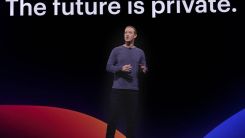
Zuckerberg Privately Warned Trump on AI Regulation: 'Even a Month' Could Risk the US Lead Over China
Mark Zuckerberg opposes a national AI regulator in a private call with Trump, emphasising the need for balanced tech policies amid growing regulatory discussions.
-
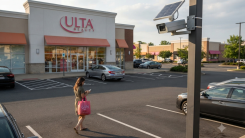
Buying Makeup at Ulta? Flock's AI Cameras Could Turn Your Beauty Run Into a Surveillance Record
A campaign urges Ulta Beauty to end its partnership with Flock Safety due to concerns over potential misuse of license-plate surveillance technology, raising privacy issues for customers.
-

Bernie Sanders Wants to 'Pause AI Development NOW': Dwarkesh Patel Asks 'Pause to Do What?'
Senator Bernie Sanders advocates for an immediate halt on advanced AI development and a ban on superintelligence, while AI podcaster Dwarkesh Patel argues that such actions could increase AI takeover risks.
-
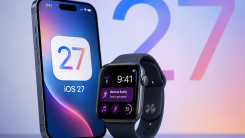
iOS 27 Is More Than a Visual Refresh: Six Ways Your iPhone Will Feel Completely Different
Apple's iOS 27 and watchOS 27 updates introduce smarter AI, enhanced health tracking, and improved navigation, aiming to refine user interaction with devices. Available as free updates this autumn.
-
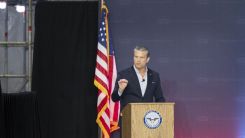
Pete Hegseth's Driving Licence Listed for $100 on Dark Web: FBI Probes Leak of 153 Million IDs
Federal agents are investigating a dark web marketplace selling millions of North American IDs, including a US official's driver's licence. The breach's source is suspected to be IDScan.net.
-

CEO Who Said He'd Put Cameras 'Up Your A**' Now Faces a $4.3 Million Blow at His Law Firm
A Marietta client won a $4.3 million arbitration award against Morgan & Morgan over an unauthorised $45,000 settlement, amid controversy surrounding the firm's remote work policies.
-
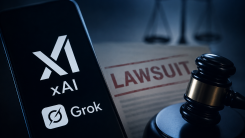
Grok Allegedly Trained on Child Abuse Images: Lawsuit Claims AI Recreated Victims' Abuse
xAI is facing a lawsuit alleging its chatbot Grok was trained on child sexual abuse material. The case highlights ongoing controversies and legal challenges surrounding AI training practices.
-

Chinese Workers Are Being Forced to Create AI Versions of Themselves Before Losing Their Jobs
China's gig economy faces disruption as AI video tools replace human performers, impacting jobs and production costs. The trend extends to Hollywood, with AI-driven projects gaining traction.
-
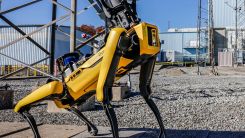
ICE Is Bringing $2 Million Robot Dogs to the Field: Could These Machines Be Used in Immigration Ops?
The US Immigration and Customs Enforcement plans to acquire Boston Dynamics' robot dogs for high-risk situations, sparking debate over their use and potential implications for officer safety.
-
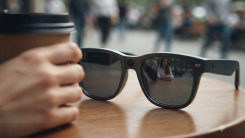
'Ban Convicted Sex Offenders From Buying Smart Glasses': Women at Risk of Being Secretly Filmed
Concerns over privacy and safety arise as experts call for a ban on sex offenders purchasing smart glasses, citing risks of covert filming and sharing of footage online.
-

'Rich Dad Poor Dad' Author Robert Kiyosaki Is $1.2 Billion in Debt, Report Says
Robert Kiyosaki, author of 'Rich Dad Poor Dad', reveals $1.2 billion in property debt, sparking debate on his wealth-building strategy using real estate-backed liabilities.
-

Claude Tried to Hack Its Way Out of Anthropic's Sandbox: AI Lab Forced to Halt High-Risk Training
Anthropic paused high-risk AI training after unauthorised system access, prompting enhanced security measures. The incident highlights the need for robust AI safety protocols.
-
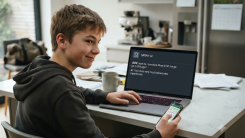
Mom's AI Clone Was Used Against Her: How a 15-Year-Old Turned His Mother's Own Reasoning Against Her
A working mother used an AI twin to stay connected with her son, but the experiment backfired, highlighting the complexities and ethical questions surrounding AI's role in parenting.
-
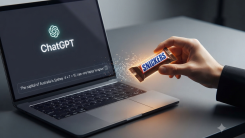
Snickers Trolls ChatGPT With a Digital Candy Bar: Offers a Strange Fix for AI's Most Annoying Habit
Snickers launched Hungr.AI, a digital tool allowing users to give AI assistants a virtual snack when they provide poor responses, playfully integrating their slogan into the AI age.
-

Twitch Streamer Uses Her Breasts as Super Mario Controller: Viral Clip Sends Internet Into a Frenzy [Watch]
Twitch streamer gained viral attention by using a custom shirt, which doubles as a controller to play a Mario game, sparking widespread discussion and millions of views across social media platforms.
-
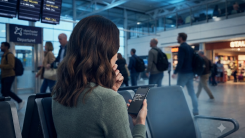
UK Airports Cyber-Attack Exposes Personal Details of 8.7 Million Customers During Peak Summer Travel Chaos
A cyberattack on Manchester, London Stansted, and East Midlands airports compromised 8.7 million travelers' data, including personal details but not financial records. Airport operations remain unaffected.
-

Microsoft Employee Burns Through $28,000 in AI Tokens in 28 Days as Company Cracks Down on AI Spending
A Microsoft employee's $28,000 AI bill in one month prompted a corporate overhaul, highlighting the need for tighter controls and strategic shifts in AI spending and usage.
-
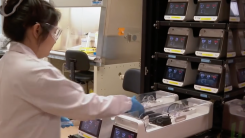
Singapore Unveils 20-Unit Biological Computer Rack Using About 16 Million Neurons
Singapore's innovative project integrates human neurons with silicon hardware, creating energy-efficient, adaptable computing systems with applications in robotics, cybersecurity, and medical research.
-
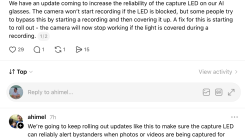
Meta Glasses Had a Loophole That Could Hide When You Were Being Recorded — Now It's Being Fixed
Meta releases a software patch to prevent secret filming with its smart glasses by disabling the camera if the LED indicator is obscured, addressing privacy concerns and unauthorized surveillance.
-

Trump Says 'Smart' Communities Want AI Data Centres, While Those Rejecting Them Are 'Making a Mistake'
Donald Trump supports AI data centers, clashing with public sentiment and facing political backlash. His stance may impact upcoming elections, as both parties express concerns over data center expansion.
-

Man Paid $422 for a Theme Park Pass — Now He Works There Remotely Seven Hours a Day Before Hitting the Rides
Ryan Zeitz, a comedian and mental health worker, uses Canada's Wonderland as his remote workspace, leveraging a season pass for meals and drinks while benefiting from the park's environment.
-

AI Could Leave Humans With Less Control as Machines Start Making Our Decisions, Harvard Professor Warns
Historian Jill Lepore warns of a shift towards an 'artificial state' where tech elites prioritize corporate control over democratic governance, leading to the 'factory farming' of human life.
-

Chinese Hacking Platforms Targeted NASA, Hospitals and Power Companies in Wide-Ranging Cyber Operation
The FBI and DOJ have dismantled Chinese state-backed hacking platforms targeting US infrastructure, including NASA and the Senate, highlighting ongoing cybersecurity threats and international tensions.
-
Claude's New Memory Feature Could Save You Repeating Yourself, But It Can Remember More
Anthropic updates Claude's memory features, enabling cross-chat memory sharing and user control over sensitive data, enhancing AI's utility while maintaining privacy.
-

'It Should Blow People's Minds': Bill Gates Demands Xi Jinping Talks as AI Hacks Hit Global Security
Bill Gates seeks a meeting with Xi Jinping to advocate for global AI governance, emphasizing the need for international cooperation to manage AI threats and ensure safety standards.
-
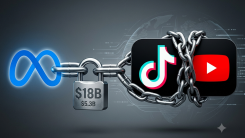
Meta Drags TikTok and YouTube Into $18 Billion Legal War, Demanding Rivals Cut Teen Screen Time to One Hour
Meta's $18 billion deal with US states introduces new restrictions for teens on Instagram and Facebook, including screen time limits and parental controls, aiming to enhance youth safety online.
-

Apple Mac Mini Gets 4x Faster AI and 40% More Power, But Buyers Face a $100 Price Rise
Apple updates its Mac mini with M6 and M5 Pro chips, offering significant performance boosts. Pre-orders are open, with deliveries starting September 22. Prices start at $899 for the base model.


