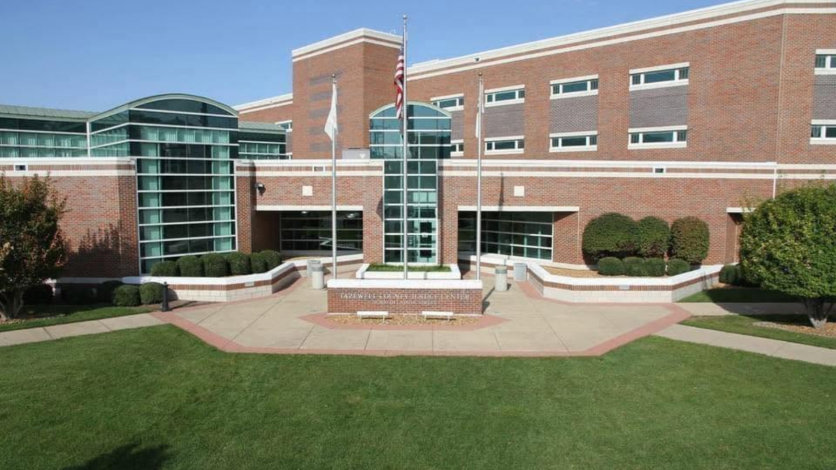
A Virginia man allegedly posted AI-generated nude images of a sheriff and a female deputy on Facebook in May 2026 after his girlfriend was fired from the Tazewell County Sheriff's Office.
Facebook repeatedly removed the fabricated images, but the man allegedly continued uploading them, leaving the officers concerned that the pictures could resurface.
According to an FBI search warrant reviewed by Forbes, the images were created by digitally altering a photograph taken at an office Christmas party. The resulting pictures falsely depicted Sheriff Brian Hieatt and the deputy naked.
The case, reported by Forbes on 9 September, raises questions about Facebook's ability to prevent the repeated circulation of AI-generated intimate images, particularly when modified versions of previously removed posts appear on the platform.
Facebook Removed the Images, but the Man Allegedly Kept Reposting Them
The alleged harassment came to light when another officer spotted one of the fabricated images in his Facebook newsfeed. The sheriff's office reported the post to Facebook, which removed it.
According to the warrant, the man continued uploading the same image to his public Facebook profile and Facebook Story. Facebook also removed those posts.
He then allegedly uploaded another version with a surprised-face emoji covering the fabricated intimate areas of both officers. Unlike the earlier posts, this version was not immediately removed, despite being reported.
The repeated uploads raised concerns about Facebook's ability to detect modified versions of previously removed material.
Forbes reported that the suspect was subsequently arrested and charged, although it did not specify the charges or establish the outcome of the case.
Sheriff Fears AI-Generated Images Could Resurface
For Sheriff Hieatt, removing the fabricated photographs did not eliminate concerns that someone might have saved copies and could share them again.
Speaking to Forbes, Hieatt welcomed Facebook's removal of the initial posts but questioned why the images had been allowed on the platform. He also expressed concern about the potential consequences for his family and the deputy's family.
The deputy described the personal impact of the incident. According to the FBI warrant, she suffered 'significant emotional damage' and feared that her young child might eventually encounter the fabricated images online.
Hieatt also questioned why Facebook had not suspended or deleted the alleged offender's account following the repeated uploads. Forbes confirmed that the account remained accessible when its report was published in September.
Meta Acknowledges Its AI Detection Tools Are Not Perfect
Meta, Facebook's parent company, told Forbes it had zero tolerance for apps designed to create fake nude images and the material they produce.
However, the company acknowledged that its detection technology was imperfect and encouraged users to report content that violated its policies.
Meta has also taken action against advertisements promoting so-called nudification apps, which use artificial intelligence to generate fake nude or sexually explicit images of people without their consent.
In its H1 2026 Adversarial Threat Report, Meta said it removed more than 344,000 advertisements promoting such apps across Facebook and Instagram between November 2025 and January 2026. The company said advertisers frequently changed their tactics to avoid detection.
Some used harmless-looking images to disguise promotions, while others created replacement websites after earlier domains were blocked. These figures concern advertising enforcement rather than the posts targeting the Virginia officers.
Hundreds of Ads Featuring Suspected Child Abuse Imagery Raise Further Concerns
The Virginia case is separate from another investigation that raised concerns about AI-generated child sexual abuse material appearing in advertisements on Meta's platforms.
On 8 September, the Tech Transparency Project reported identifying 332 advertisements containing suspected child sexual abuse material across Facebook and Instagram.
Most featured photographs digitally altered using AI to depict children in sexual situations. The watchdog said some advertisements used photographs of real children.
Forbes also reported a separate investigation in Utah involving a woman whose childhood photographs had allegedly been turned into sexually explicit images.
According to a search warrant described by Forbes, investigators obtained data from Meta indicating that a suspected perpetrator had created 56 AI-manipulated sexual images depicting the woman as a minor. It remained unclear how many had been publicly shared.
Although the investigations involved different victims and alleged perpetrators, they illustrate how ordinary photographs can be misused to create fabricated sexual imagery.
For the Virginia officers, the immediate concern was that their images could reappear. The wider challenge for Facebook is preventing repeated uploads while reducing the burden on victims to report the same material.


