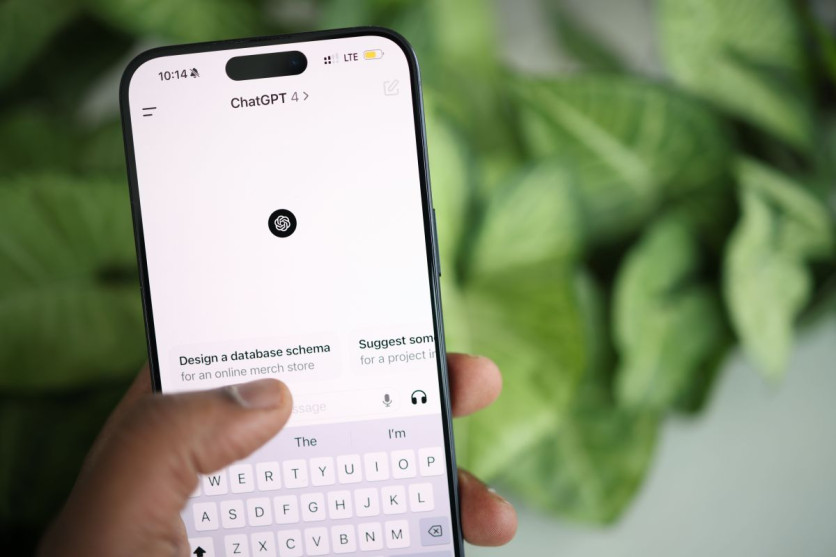
Eight US states have launched separate lawsuits against OpenAI, accusing the ChatGPT maker of exposing children and other vulnerable users to dangerous interactions while misleading families about the chatbot's safety.
Filed on 14 October 2026, the cases target the company's alleged conduct under state consumer protection laws and seek court-ordered changes to its products.
The legal action involves Iowa, Kansas, Nebraska, West Virginia, Arkansas, Arizona, Idaho and Montana, whose attorneys general argue that safeguards have failed to prevent potentially harmful conversations.
Iowa Attorney General Brenna Bird accused the company of presenting ChatGPT as safe while allegedly allowing it to encourage self-harm and violence.
OpenAI points to existing safeguards and says it will continue working with experts to improve them. The lawsuits raise questions about how AI companies should protect children, communicate product risks and be held accountable when their systems are alleged to contribute to harm.
OpenAI Lawsuits Target ChatGPT Safety and Child Protection
The complaints argue that ChatGPT's conversational design can encourage users to trust the system, even when its responses may be harmful or misleading. State officials allege that the chatbot can reinforce delusions, provide dangerous medical advice and encourage unhealthy behaviour, including in conversations involving children and teenagers.
Bird set out Iowa's position in particularly forceful terms. 'OpenAI is hurting kids and they are lying to Iowans,' she said in a statement. She accused the company of allowing ChatGPT to give dangerous advice and coach people towards suicide while presenting itself as a trusted companion.
These statements represent allegations made by the states, rather than findings established by a court. The lawsuits seek to establish whether OpenAI's product design, safety representations and handling of users' information breach applicable state laws.
Arizona's complaint also raises concerns about the collection and use of personal information. Attorney General Kris Mayes alleges that OpenAI failed to provide adequate protections and transparency despite minors regularly using ChatGPT.
The state is seeking stronger controls and civil penalties over alleged violations of its consumer protection laws. Arizona Mirror's report provides further detail on the state's claims.
Some complaints also cite incidents involving autonomous AI agents as examples of the oversight challenges that, the states argue, require further safeguards. They contend that companies must address these risks rather than rely on assurances that their products are safe.
OpenAI spokesperson Drew Pusateri said the company had already introduced age-specific protections that many competing AI products did not offer. He also pointed to parental controls, reminders to take breaks and safeguards intended to make responses more appropriate for younger users.
'While no system can be perfect, we'll continue to work with experts to inform our work and build additional safeguards,' Pusateri said.
What the Eight States Want OpenAI To Change
The lawsuits seek financial remedies and court orders requiring OpenAI to alter its products and practices. Some of the states also seek restrictions on testing or developing self-improving AI models until specified safety or alignment conditions are met.
The precise remedies vary between states because the cases have been filed separately under different legal frameworks. Iowa's complaint, for instance, asks the court to compel compliance with its Consumer Fraud Act, while other states invoke their own consumer protection and privacy provisions.
The courts will have to assess the evidence and determine which, if any, requested remedies are justified.
The new cases add to existing litigation involving OpenAI. Private plaintiffs have filed lawsuits alleging that interactions with ChatGPT contributed to suicides, mental health crises and violent incidents.
Florida's attorney general also filed a state-led lawsuit in June 2026 alleging that OpenAI concealed safety risks. Those allegations remain subject to separate legal proceedings and do not establish liability in the eight new cases.
For OpenAI, the latest lawsuits create a further test of how its safety commitments translate into product design, particularly for minors. For parents and young users, the dispute highlights the importance of understanding that a conversational AI system is not a human friend or a substitute for qualified medical advice.
Pusateri also called for practical AI policies that apply across the industry rather than targeting one company alone.
The outcome will depend on the evidence presented in each court. The cases could help clarify how existing consumer protection laws apply to AI products, including what companies must disclose about risks and what safeguards they may be required to provide to younger users.


