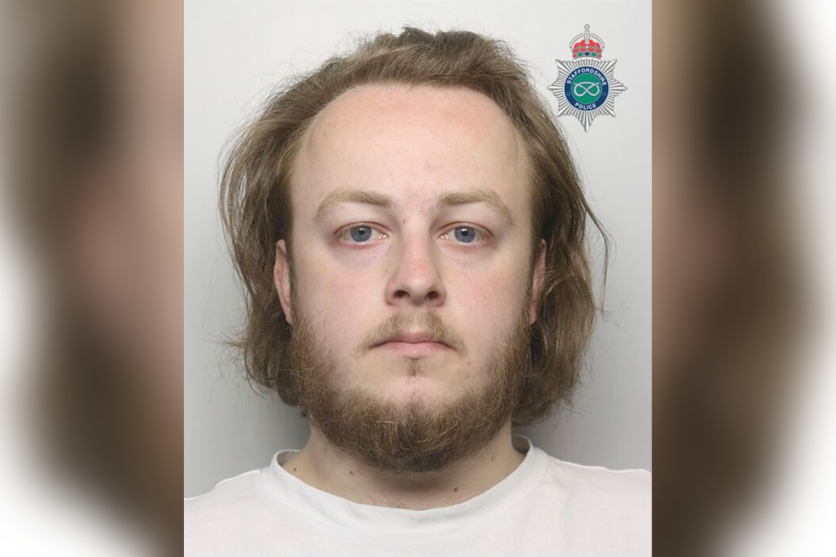
Lewis Davison, 26, from Lichfield, Staffordshire, was jailed for two years and two months on 27 August after admitting nine offences involving indecent images of women and a girl that had been processed using artificial intelligence. The images were shared in closed Telegram groups, with some carrying captions calling for the women depicted to be raped and assaulted.
The case went beyond the creation of sexual images using AI.
Staffordshire Police said Davison distributed the material alongside explicit calls for sexual violence against women.
AI-Processed Images Were Shared in Closed Telegram Groups
Staffordshire Police said Davison posted a series of pornographic and indecent images of women and a girl in closed Telegram groups after the pictures had been run through AI.
Some of the captions called for the women shown in the images to be raped and assaulted.
The police statement did not disclose how many women appeared in the material or the total number of images involved. It also did not say whether Davison personally knew the women or the girl.
Officers arrested Davison at his home after the images were reported to police. His electronic devices were seized during the investigation.
He was charged with eight counts of publishing an obscene article and one count involving permitting the taking of an indecent photograph or pseudo-photograph of a child.
Davison Pleaded Guilty to Nine Offences
Davison pleaded guilty before being sentenced at Stafford Crown Court on 27 August.
He received a total prison sentence of two years and two months. Staffordshire Police said he was also placed on the Sex Offenders Register for 10 years.
PC Matthew Asbury, who handled the investigation, said police had stopped Davison from causing further harm to women and girls online. "This type of crime can have a profound impact on victims," Asbury said.
Police have not publicly identified the women or the girl. Their statement also did not establish whether all of the images depicted identifiable real people.
That distinction is important. AI can be used to alter photographs of real people or generate images that merely appear photographic.
Law in England and Wales Now Specifically Covers Sexual Deepfakes
Davison's case comes after the law in England and Wales was strengthened to address sexually explicit AI-generated imagery.
Since 6 February 2026, intentionally creating or requesting the creation of a purported intimate image of an adult without consent, or without reasonably believing the person consented, has been a specific criminal offence.
The provisions were introduced to tackle sexually explicit deepfakes and other purported intimate images created or altered using technology.
However, Staffordshire Police has not publicly disclosed when Davison's offending occurred. His reported charges were eight counts of publishing an obscene article and the separate child-image offence.
Separate legislation already covers indecent pseudo-photographs of children. Photorealistic computer-generated or AI-generated imagery can fall within that definition when it appears to be a photograph of a child.
AI-Generated Child Sexual Abuse Material is Rising Sharply
The involvement of a girl in Davison's case comes amid warnings from child-protection organisations over the growth of AI-generated child sexual abuse material.
The Internet Watch Foundation recorded 491 reports containing realistic AI-generated child sexual abuse imagery in 2025. That was a 154% increase from 193 reports in 2024.
Those reports contained 8,029 criminal images and videos. The IWF also said girls were depicted in 97% of the AI-generated child sexual abuse images it assessed in 2025.
UNICEF has highlighted an even wider problem.
Research conducted with ECPAT and INTERPOL across 11 countries estimated that at least 1.2 million children had disclosed having their images manipulated into sexually explicit deepfakes during the previous year.
Davison's case demonstrates that the potential harm from AI sexual imagery can extend beyond the images themselves. In this case, police said AI-processed sexual material was distributed online alongside captions calling for women to be raped and assaulted.


