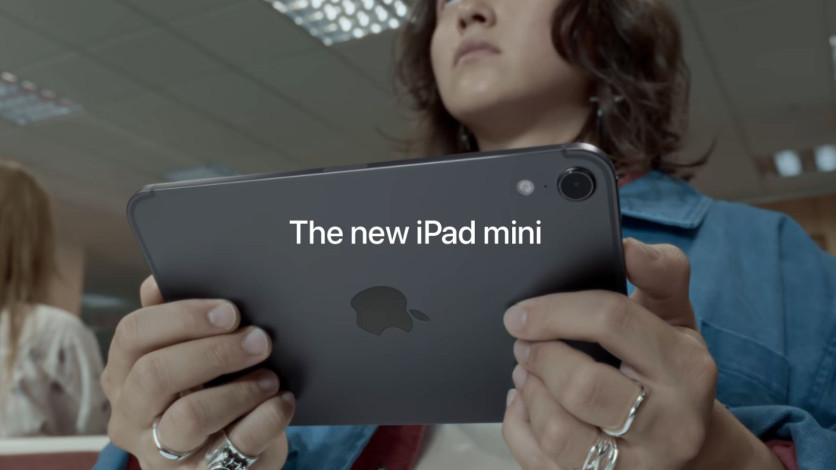
Apple has used a different promotional image for its new OLED iPad mini on its South Korean website, removing a hand shown pinching the tablet in versions displayed in other markets.
The change was reportedly enforced after a similar gesture previously triggered controversy in South Korea, although Apple has not publicly confirmed whether that was why it altered the image.
In promotional material displayed on Apple's US and Chinese websites, a thumb and index finger grip the tablet's edge to demonstrate its slim design. The South Korean version shows the device without the hand, leaving the tablet's thin profile to speak for itself.
The new iPad mini features an A20 Pro chip, an OLED display and a thickness of 5.4mm, according to Apple's product announcement. The regional images appear to promote the same device, but their presentation differs.
Why a Simple Hand Sign Became Politically Charged
One possible explanation lies in a hand gesture that has become politically contentious in South Korea.
Forming a small gap between the thumb and index finger is an ordinary way to indicate something tiny. However, some people interpret the gesture as mocking the size of men's genitals, giving it a meaning that extends beyond its everyday use.
That interpretation has, however, fuelled disputes involving companies, advertisers and online communities. The gesture is not universally regarded as offensive, and its appearance alone does not establish that anyone intended to make a political statement.
The controversy reached Nexon's MapleStory in November 2023, when a promotional animation drew accusations that a character's pinching gesture had been deliberately included as a political symbol.
The animation studio apologised for the controversy but denied intentionally inserting the gesture. The video was also taken down.
A simple hand gesture used to show how thin the iPad mini is may carry a different meaning in South Korea, where similar gestures have sparked controversy.
Apple's decision to remove the hand from its South Korean advert could reflect an effort to avoid criticism, but the company has not confirmed this, so its actual reason for changing the image remains unknown.
Apple Has Edited Ads for South Korea Before
There is a previous example involving another Apple product.
In September 2025, the company made a similar adjustment to promotional material for the iPhone Air on its South Korean website. A marketing image omitted fingers that appeared in versions displayed on other regional websites, according to Korean reporting.
The two examples suggest that Apple may be paying closer attention to how hand gestures appear in its South Korean advertising. They do not, however, establish that the company has introduced a formal policy requiring the gesture to be removed from promotional images.
But without an explanation from Apple, it is not possible to determine whether the latest edit was prompted by concerns about online criticism, a routine localisation decision or another consideration.
The adjustment is a practical challenge for international product launches. Brands often use a consistent set of promotional materials across markets, but imagery does not always carry the same associations everywhere.
Small differences in how a product is presented can become important when a familiar symbol has acquired a contested local meaning.
For Apple, the South Korean image presents the new iPad mini without the fingers used elsewhere to emphasise its thinness. The earlier iPhone Air example provides a precedent, but neither change confirms the company's internal reasoning.
The result is a regional difference that is easy to overlook when viewing Apple's website in only one country. Comparing the versions reveals the missing hand, while the question of why it was removed remains unanswered.


