Articles by Vinay Patel
-

Snickers Trolls ChatGPT With a Digital Candy Bar: Offers a Strange Fix for AI's Most Annoying Habit
Snickers launched Hungr.AI, a digital tool allowing users to give AI assistants a virtual snack when they provide poor responses, playfully integrating their slogan into the AI age.
-

Twitch Streamer Uses Her Breasts as Super Mario Controller: Viral Clip Sends Internet Into a Frenzy [Watch]
Twitch streamer gained viral attention by using a custom shirt, which doubles as a controller to play a Mario game, sparking widespread discussion and millions of views across social media platforms.
-

UK Airports Cyber-Attack Exposes Personal Details of 8.7 Million Customers During Peak Summer Travel Chaos
A cyberattack on Manchester, London Stansted, and East Midlands airports compromised 8.7 million travelers' data, including personal details but not financial records. Airport operations remain unaffected.
-

Microsoft Employee Burns Through $28,000 in AI Tokens in 28 Days as Company Cracks Down on AI Spending
A Microsoft employee's $28,000 AI bill in one month prompted a corporate overhaul, highlighting the need for tighter controls and strategic shifts in AI spending and usage.
-

Singapore Unveils 20-Unit Biological Computer Rack Using About 16 Million Neurons
Singapore's innovative project integrates human neurons with silicon hardware, creating energy-efficient, adaptable computing systems with applications in robotics, cybersecurity, and medical research.
-
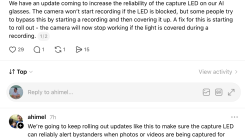
Meta Glasses Had a Loophole That Could Hide When You Were Being Recorded — Now It's Being Fixed
Meta releases a software patch to prevent secret filming with its smart glasses by disabling the camera if the LED indicator is obscured, addressing privacy concerns and unauthorized surveillance.
-

Trump Says 'Smart' Communities Want AI Data Centres, While Those Rejecting Them Are 'Making a Mistake'
Donald Trump supports AI data centers, clashing with public sentiment and facing political backlash. His stance may impact upcoming elections, as both parties express concerns over data center expansion.
-

Man Paid $422 for a Theme Park Pass — Now He Works There Remotely Seven Hours a Day Before Hitting the Rides
Ryan Zeitz, a comedian and mental health worker, uses Canada's Wonderland as his remote workspace, leveraging a season pass for meals and drinks while benefiting from the park's environment.
-

AI Could Leave Humans With Less Control as Machines Start Making Our Decisions, Harvard Professor Warns
Historian Jill Lepore warns of a shift towards an 'artificial state' where tech elites prioritize corporate control over democratic governance, leading to the 'factory farming' of human life.
-

Chinese Hacking Platforms Targeted NASA, Hospitals and Power Companies in Wide-Ranging Cyber Operation
The FBI and DOJ have dismantled Chinese state-backed hacking platforms targeting US infrastructure, including NASA and the Senate, highlighting ongoing cybersecurity threats and international tensions.
-

Claude's New Memory Feature Could Save You Repeating Yourself, But It Can Remember More
Anthropic updates Claude's memory features, enabling cross-chat memory sharing and user control over sensitive data, enhancing AI's utility while maintaining privacy.
-

'It Should Blow People's Minds': Bill Gates Demands Xi Jinping Talks as AI Hacks Hit Global Security
Bill Gates seeks a meeting with Xi Jinping to advocate for global AI governance, emphasizing the need for international cooperation to manage AI threats and ensure safety standards.
-

Meta Drags TikTok and YouTube Into $18 Billion Legal War, Demanding Rivals Cut Teen Screen Time to One Hour
Meta's $18 billion deal with US states introduces new restrictions for teens on Instagram and Facebook, including screen time limits and parental controls, aiming to enhance youth safety online.
-

Apple Mac Mini Gets 4x Faster AI and 40% More Power, But Buyers Face a $100 Price Rise
Apple updates its Mac mini with M6 and M5 Pro chips, offering significant performance boosts. Pre-orders are open, with deliveries starting September 22. Prices start at $899 for the base model.
-

SpaceX Plans $100 Billion Louisiana Starbase With Thousands of Launches and 3,000 New Jobs
SpaceX announces a $100 billion launch complex in Louisiana, aiming to support thousands of launches annually and create 10,000 jobs, while also focusing on coastal restoration efforts.
-

AI Children's Stories Have a 'Neutrality' Problem as Female Characters Fall to Just 2%
AI-generated children's books are perpetuating gender biases, with male animal characters dominating. A study highlights the potential impact on children's self-worth and the broader implications for AI storytelling.
-

GTA 6's 144-Minute Days Could Change Everything From Missions to Nightlife in Vice City
Leaked GTA 6 footage hints at a longer day-night cycle, potentially transforming gameplay by offering more immersive experiences and time-sensitive missions in Vice City.
-
Bill Gates' Four Seasons Sued for $100M After Homeowners Paid $20M for Repairs They Say Never Happened
A Caribbean resort owned by Bill Gates is facing a $100 million lawsuit over claims of neglect and disrepair, with homeowners seeking repairs or compensation for deteriorating conditions.
-

NHS AI Receptionist Can't Understand Yorkshire Accents, Leaving Patients to Visit GP in Person
An AI receptionist system, EMMA, struggles with Yorkshire accents, causing communication issues for patients in Rotherham. Healthwatch Rotherham reports patient frustration and digital exclusion concerns.
-

ICE Collected DNA From 900,000 People in One Year as Report Highlights 133,000 Children Swabbed
The Trump administration's expanded DNA collection from immigrants raises constitutional concerns, with millions of profiles stored in a federal database, sparking fears of increased government surveillance.
-

TikTok Beats Instagram and X at Removing Reported Antisemitic Content: Here Are the Numbers
StopAntisemitism's report reveals TikTok's superior enforcement against antisemitic content, with Instagram and X lagging. The study emphasises the need for consistent enforcement and transparency across platforms.
-

'Give Up Your Pervert Glasses': Protesters Put Meta Glasses 'Amnesty Boxes' Outside London Ray-Ban Stores
Activists in London are urging people to return Meta's AI-enabled Ray-Ban smart glasses due to privacy concerns, using 'amnesty boxes' to highlight the issue of non-consensual recording.
-

The TikTok Diet Effect: How Teens Are Changing What They Eat To Copy Online Influencers
University of Minnesota research reveals TikTok's impact on teen eating habits, highlighting the role of parental guidance in mitigating digital influences and promoting healthier dietary choices.
-

The 8.3 Billion 'People' Who Don't Exist: AI Creates Virtual Humans To Test What You'll Buy
Harvard and MIT's MatrAIx platform simulates 8.3 billion digital personas for rapid product testing, offering high accuracy but facing challenges from AI engine biases.
-

ChatGPT Can Now Read Your Private Mac Messages and Send Texts for You, but There's a Catch
OpenAI's ChatGPT now integrates with Apple Messages, offering enhanced messaging capabilities but raising significant privacy concerns. The feature's launch occurs amid tensions between OpenAI and Apple.
-

Florida Cop Stalked Ex-Wife 717 Times Using Police AI Camera System Under Fake Felony Charges
A Florida officer was arrested for allegedly using police surveillance tools to track his estranged wife, conducting unauthorized searches 717 times. The case raises concerns over misuse of AI-powered tracking technology.
-

Fake Amazon Recruiters Are Offering $600-a-Day Remote Jobs Via Text: Why You Shouldn't Reply
A new Amazon job scam is targeting remote workers with fake offers. Learn how to identify these scams and protect yourself from potential fraud.
-

Are Your Meta Glasses Giving You Headaches? 7 Possible Causes and What to Do
Ray-Ban Meta smart glasses users report headaches and discomfort, often due to tight frames, incorrect lenses, or extended wear. Adjusting fit and usage can help alleviate symptoms.
-

Flock Safety CEO Claims AI Cameras Could Have Solved Nancy Guthrie Case '100 Percent': But Why Didn't They?
Flock Safety's CEO claims their AI tech could have solved Nancy Guthrie's kidnapping, sparking debate over privacy and effectiveness amid ongoing police misuse scandals.
-

'The Young Ones Are the Best Ones': Meta Accused of Putting Profit Before Children in $200BN Case
Meta is facing a lawsuit from 29 US states, accusing it of concealing Instagram's addictive effects on teens. The trial could result in a $200 billion penalty and mandatory product changes.


