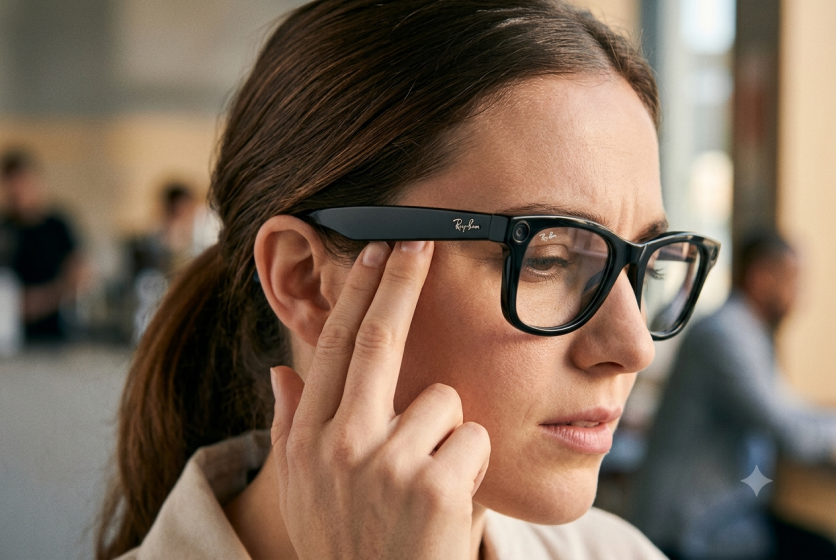
While some Ray-Ban Meta owners experience headaches, eye strain or discomfort after putting on the smart glasses, these issues do not necessarily indicate a safety flaw in the product.
According to recent Reddit posts, some users experience headaches just minutes after putting on the smart glasses, while others notice discomfort after several hours. A post from 18 August notes headaches starting almost immediately, with additional wearers pointing to snug frames, heavy weight, lens problems or extended use as the main causes.
Why Your Smart Glasses Cause Headaches
While these user accounts do not prove a direct link, past research on head-mounted displays shows they can trigger eyestrain, headaches, dizziness and nausea. Official Meta health and safety guides, along with user reports, also highlight instances of head pain linked to the device. So, what might be triggering these symptoms?
1. Tight Frames May Press Against Your Head
Physical pressure may offer one of the possible explanation for this issue. Packed with cameras, speakers, microphones, batteries and other hardware, smart glasses may weigh more or feel balanced differently from standard frames.
When the arms pinch too tightly or the nose bridge sits awkwardly, persistent pressure against your temples, ears or nose can trigger tension headaches and discomfort. Indeed, recent Reddit reports explicitly highlight snug arms and head pressure as common trouble spots.
Ray-Ban built its latest Meta optical frames with adjustable temple tips, flexible nose pads and overextension hinges, showing that proper fit and comfort remain priorities for long-term wear.
2. Incorrect Prescriptions or Lenses May Trigger Headaches
If you wear prescription glasses, incorrect measurements, poor optical alignment or an unsuitable lens type can trigger headaches and visual fatigue. Non-prescription smart-glass wearers might also encounter issues tied to tinting, light-reactive transitions or specific lens qualities.
Several Meta glasses owners link their head pain to particular lenses, though these individual accounts do not conclusively prove cause and effect. If your headaches clear up after taking off the frames and reliably return when you put them back on, schedule a visit with an optometrist to review your lenses and prescription.
3. Eye Strain Could Be Building Up
Head-mounted displays like the Ray-Ban Meta glasses can put extra strain on your visual system. Studies show that eye fatigue often leads to sore, tired eyes, difficulty focusing and headaches.
This does not mean the smart glasses are permanently damaging your vision; rather, extended visual tasks can cause discomfort, especially when your eyes are already fatigued.
If you wear your smart frames for hours at a time, taking regular breaks can help you figure out whether continuous use is the main trigger.
4. Display-Related Visual Discomfort
If you use Meta's display-equipped models, the experience differs significantly from standard Ray-Ban Meta frames. Head-mounted displays introduce unique visual demands by overlaying digital information onto your real-world view.
Research on wearable displays highlights potential issues with visual rivalry and other binocular vision strains. These studies frequently note headaches, eyestrain and related symptoms among users.
If your discomfort appears specifically while looking at the display rather than simply wearing the physical frames, that may be a useful clue.
5. Lighting and Display Settings Can Increase Visual Strain
Overly bright displays, harsh glare and tricky lighting can make viewing smart glasses much more demanding on your eyes. Early research into head-mounted displays like Google Glass revealed that in-lens screens can temporarily lower contrast sensitivity in the eye looking at the display, particularly in dim environments.
While this does not prove that Ray-Ban Meta frames cause identical side effects, it highlights how light conditions can affect close-up optical technology.
To reduce eye fatigue, lower any unnecessary screen brightness and avoid prolonged use when ambient lighting makes viewing the lenses uncomfortable.
6. Extended Wear Times Can Cause Discomfort
How long you keep the smart glasses on offers another simple explanation. Research on head-mounted displays consistently links prolonged use to headaches, dizziness, nausea and general visual fatigue.
In fact, one randomised study comparing a smartphone-based display with standard smartphone use noted higher rates of headache, dizziness and nausea during the wearable setup.
While these results cannot be applied directly to Ray-Ban Meta frames, since the underlying technology differs, they reinforce the idea that prolonged exposure to wearable visual devices can trigger discomfort.
If your headaches only crop up after two or three hours of continuous use, trimming down your wear time may be a practical first step.
7. Smart Glasses May Uncover an Underlying Vision Issue
Sometimes the device itself is not the root cause. Uncorrected vision problems, dry eyes or binocular alignment issues can contribute to headaches and eye fatigue. A review of digital device research shows that sore eyes, dryness, eyestrain and head pain frequently surface during screen use.
This possibility is especially worth exploring if your conventional glasses or contact lenses have also begun causing similar discomfort recently.
How to Handle Headaches from Your Meta Glasses
Start by taking the frames off as soon as symptoms surface, rather than trying to push through the discomfort.
Next, evaluate a few key factors: check if the frame fits too tightly, ensure your lens prescription is accurate, and notice if issues only crop up after extended use. Opting for shorter wear periods with frequent breaks can make a big difference.
If you continue to experience headaches, eye pain, blurred or double vision, dizziness or nausea, schedule a consultation with an optometrist or medical professional. Never dismiss persistent or severe symptoms as a mere side effect of smart eyewear.
Crucially, there is no established consensus that standard use of Ray-Ban Meta glasses leads to permanent eye damage. Instead, research indicates that wearable technology can trigger temporary headaches and visual fatigue, with user reports identifying poor fit, lens issues and long wear times as possible contributing factors.
Rather than assuming the technology itself is inherently dangerous, view recurring headaches as a prompt to adjust your frame fit, double-check your prescription and modify how you wear the device.
Frequently Asked Questions
- Why do Ray-Ban Meta smart glasses cause headaches?Headaches can be caused by tight frames, incorrect prescriptions, eye strain, display-related discomfort, lighting conditions, extended wear times, or underlying vision issues.
- What should I do if I experience headaches from my smart glasses?Remove the glasses, check the fit and prescription, reduce wear time, and consult a professional if symptoms persist.
- Can Ray-Ban Meta glasses cause permanent eye damage?There is no solid evidence that standard use leads to permanent eye damage; symptoms are typically temporary.


