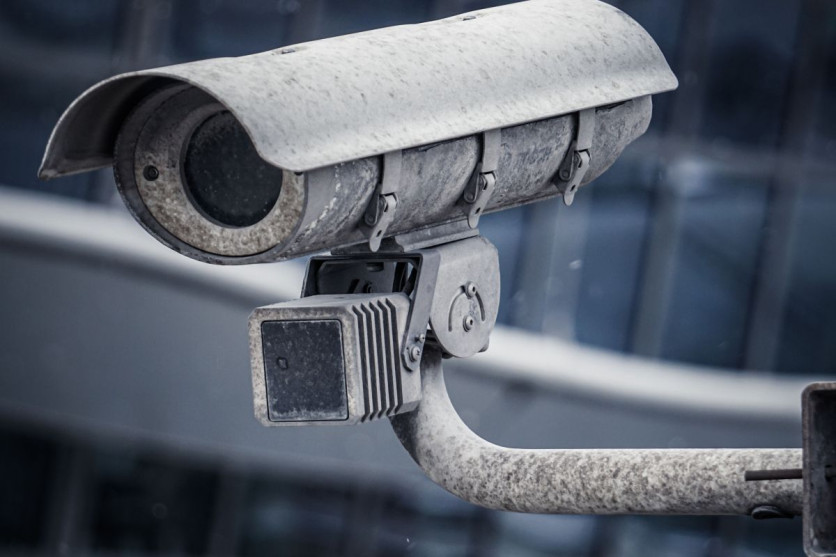
The UK is preparing to deploy live facial recognition (LFR) cameras at transport hubs and public events as part of a major immigration crackdown, with the technology potentially being used to identify visa overstayers and people who have breached immigration rules.
Policy documents suggest the Home Office could expand facial recognition beyond immigration-related criminal offences to civil breaches, including overstaying a visa or entering the country without permission.
Facial Recognition Could Target Civil Immigration Breaches
The proposed system would use live facial recognition cameras to compare faces against enforcement watchlists. Documents say it could identify people 'seeking to re-enter the UK unlawfully', those subject to removal action and people linked to immigration-related criminality.
The potential expansion could also allow people who have overstayed a visa or entered the UK without permission to be included on watchlists. Both are considered civil immigration matters rather than criminal offences.
That’s not all.
— Liberty (@libertyhq) November 4, 2026
Just today, @LInvestigates uncovered Home Office plans for facial recognition to be used for immigration enforcement.https://t.co/Dr8f4gDiTU
The guidance says people 'liable to detention under immigration legislation' and those who have 'failed to comply with immigration conditions of entry or stay' could be included.
This would broaden the technology's potential use beyond locating people wanted for immigration-related crimes to identifying individuals who have breached the conditions of their entry or stay. However, the documents describe this as a potential future use rather than a confirmed operational deployment against visa overstayers.
Holyhead Trials Preceded Wider Plans
Immigration enforcement carried out three LFR trials at Holyhead port in North Wales between November 2025 and February 2026. They focused on people travelling from Ireland through the Common Travel Area who were subject to deportation orders or warrants for immigration-related criminal offences.
The initial trials were therefore narrowly focused on people subject to deportation orders or wanted in connection with immigration-related crimes. The proposed expansion could bring a broader group of immigration offenders, including visa overstayers, within the scope of the technology.
The programme has since moved into what the documents call the 'formal delivery phase'. Future deployments could include proactive operations at transport hubs and events expected to draw large crowds, although the Home Office has not named specific locations.
Potential deployment sites could also include locations with 'heightened community sensitivity'. However, the department declined to clarify what it meant by sensitive locations or which specific events might be targeted.
Although the project has entered its formal delivery phase, the timing and locations of any wider deployments have not been confirmed. A spokesperson said the Home Office was 'considering further trials' and 'actively exploring the potential benefits, implications and future use of the technology'.
The Home Office says facial recognition could help officers locate undocumented people and resolve their cases while reducing disruption compared with repeated enforcement visits to residential addresses and workplaces.
The plans follow Home Secretary Shabana Mahmood's decision to double the immigration enforcement budget and increase its workforce by 60%, enabling 'tens of thousands' more raids, arrests and deportations.
Privacy and Oversight Questions Remain
Civil liberties campaigners warn that facial recognition can misidentify people and that research has documented racial bias in the technology's performance in some settings.
Griff Ferris, a spokesperson for the Joint Council for the Welfare of Immigrants, said immigration enforcement already employed tactics that 'persecute and terrorise migrant communities'. He added that giving it more power to use a 'racist mass surveillance tool in public places is frightening'.
Sarah Lasoye of the Open Rights Group said: 'Immigration enforcement and police forces are exploiting an absence of national legislation regulating uses of AI technologies, including facial recognition, in the public sector.'
The Home Office says the system will be subject to external oversight, including by the Biometrics and Surveillance Camera Commissioner and the Information Commissioner's Office.
However, Biometrics and Surveillance Camera Commissioner William Webster told Liberty Investigates that he had not been consulted on the policy and that the use of LFR for immigration purposes fell outside his remit.
The apparent gap between the oversight arrangements described in the policy documents and the commissioner's comments raises questions about how the technology would be independently scrutinised if its use expands beyond the existing trials.
Webster said the 'proliferation of LFR into different service contexts does raise important questions about the scope of existing regulatory oversight'.
The policy states that no one under 18 will be included on a watchlist. The restriction comes amid separate concerns over the Home Office's use of an AI facial-age estimation tool. Earlier revelations showed that the department continued using the technology despite knowing it had misidentified child migrants as adults.
However, facial-age estimation and live facial recognition are different applications of technology and should not be confused.
The proposed expansion therefore raises broader questions about the safeguards, transparency and independent oversight governing the use of facial recognition in public spaces, particularly if the technology is extended to people who have committed civil immigration breaches rather than criminal offences.


