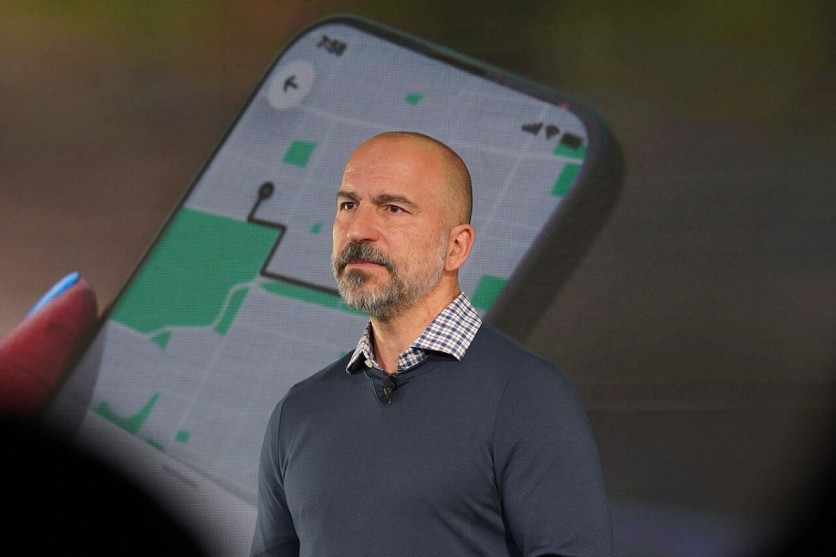
Uber cut roughly 3,300 jobs last week in its largest single round of job cuts since the pandemic-era reductions of 2020. The cuts represent roughly 10% of Uber's corporate workforce, which stood at approximately 34,000 employees before the restructuring. Now, Uber CEO Dara Khosrowshahi is offering an explanation of where the savings from the cuts will go.
At the Goldman Sachs Communacopia + Technology Conference, Khosrowshahi explained how the savings stemming from the layoffs would be reinvested in the business. He further added that savings from reduced payroll would flow back to riders in the form of lower fares and a broader selection of ride options.
'We are going to take the savings there and essentially reinvest it back in the business, lowering prices, improving selection, and continuing to invest in our growth program,' he said.
Khosrowshahi went further, indicating that Uber also expects to reduce insurance costs and redirect those savings toward pricing as well. Insurance is a significant cost for ride-hailing platforms, meaning any meaningful reduction could give Uber additional room to compete on price.
Part of that pressure is coming from the rapidly expanding robotaxi sector. Companies such as Waymo are expanding commercial autonomous-ride services, raising the prospect of a shift in Uber's driver-based business model. Uber is positioning itself to remain a major marketplace for autonomous rides as the technology scales.
Uber has said it plans to commit more than $10 billion to robotaxi partnerships as part of its broader push into autonomous mobility. The layoffs, in that framing, are partly a reallocation: fewer corporate layers, with savings redirected toward growth, innovation and technologies reshaping the industry.
The Rationale Behind 3,300 Job Cuts
Khosrowshahi has framed the decision as a proactive move rather than a distress response. 'Some companies wait. We don't believe in waiting,' Khosrowshahi said.
The company described its goals as 'removing layers, simplifying team structures, refining our global location strategy, and focusing our people and investments against the biggest opportunities ahead of us.'
Uber also said it would reduce by 20% the number of employees sitting seven or more organisational layers below the chief executive. Khosrowshahi put it plainly in a separate statement: 'A leaner organisation will mean clearer ownership, faster decisions, and more time spent building rather than coordinating.'
Khosrowshahi's assertion that the cuts were being made from a 'position of strength versus weakness' was notable, particularly as Uber had recently reported quarterly results that beat analysts' expectations.
The layoffs closely followed Khosrowshahi's purchase of approximately 141,000 shares of Uber stock, a transaction valued at roughly $10 million. The company's COO, Andrew Macdonald, added another 70,000 shares. Together, the two executives bought roughly $15 million worth of Uber stock within days of the restructuring.
The purchases create a striking contrast: two top executives were buying millions of dollars of Uber stock just days after the company announced 3,300 job cuts. But for the millions of American riders who use Uber's app daily, the question Khosrowshahi has now put on the table is a simple one: will the fares actually go down?


