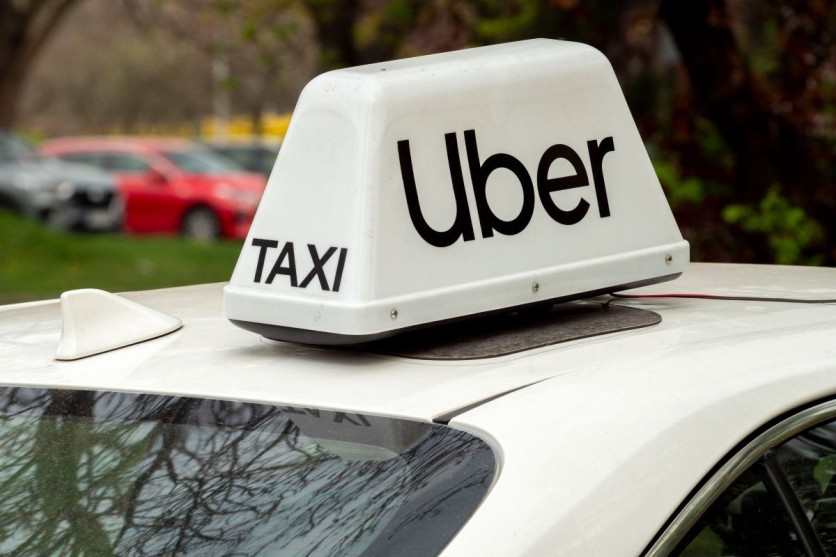
Uber and Lyft drivers in Atlanta are calling for action over Waymo's robotaxi service, saying they have experienced lower earnings, longer waits between rides and fewer fares since its launch and expansion in the city.
The Atlanta Rideshare Drivers Union (ARDU) is asking city and state leaders to curb the expansion of Waymo and other robotaxis and consider measures to address their potential impact on drivers' livelihoods.
One proposal would see a fee of between $0.50 and $1.00 (£0.37 to £0.74) added to every robotaxi ride, with the money placed into a driver transition fund. The proposed fund would support job training, grants and other programmes for workers affected by automation.
The union also wants Waymo robotaxis barred from picking up passengers at Hartsfield-Jackson Atlanta International Airport, which drivers regard as an important source of fares.
Waymo began its Atlanta service in June 2025, and its vehicles had logged more than 5.4 million fully autonomous miles in the city by March 2026. Its expansion has also led to protests by rideshare drivers in other US cities.
Atlanta Drivers Call for a Robotaxi Impact Fee
Liza Ramsey of the ARDU presented the proposed robotaxi impact fee to Atlanta City Council members on Wednesday, 26 August. Ramsey said drivers believe companies benefiting from automation should contribute towards helping workers affected by the technology.
'If corporations profit from replacing human workers with automation, they should contribute to helping those workers transition to the next opportunity,' Ramsey said.
The union's claims about falling incomes are not supported by aggregated earnings data. Ramsey acknowledged that the ARDU has not collected data showing that drivers' earnings have declined since Waymo arrived.
Instead, she pointed to complaints from drivers, including earnings screenshots shared by members in a WhatsApp group.
Waymo Faces Driver Protests Beyond Atlanta
Waymo launched its Atlanta service in June 2025. Since then, its robotaxis have logged more than 5.4 million miles of fully autonomous rides.
The service has also faced complaints from some Atlanta residents. In May, numerous Waymo vehicles were reported repeatedly travelling along a residential street in Buckhead, while another Waymo vehicle got stuck in floodwaters during severe weather.
Waymo has partnered with Uber in Atlanta, allowing Uber users to be matched with a Waymo robotaxi through the Uber app. The two companies partnered to allow Uber passengers to hail a Waymo robotaxi through the Uber app, in the same way they would request a ride with a human driver.
The concerns raised by Atlanta drivers are part of a wider dispute over autonomous vehicles. In January 2026, Uber and Lyft drivers protested outside the California Public Utilities Commission in San Francisco, calling for stricter regulation of Waymo and other autonomous vehicles.
Rideshare drivers have also protested or raised objections to Waymo's expansion in other US cities, including Seattle.
The ARDU is not the only union challenging the expansion of autonomous vehicles. Earlier this month, Teamsters California sued the California Department of Motor Vehicles over new regulations allowing autonomous heavy-duty trucks to be tested and deployed, arguing that the agency failed to properly assess their economic and safety impacts.
Waymo has also proposed a $20 million (£14.78 million) support fund for drivers displaced by autonomous vehicles and argues that the technology will create new jobs around the autonomous-vehicle industry. Uber has separately supported a transition strategy for workers affected by the shift towards autonomous vehicles.


