The idea of a smart home has moved well beyond science fiction. Today, everything from light bulbs and doorbells to speakers and thermostats can connect to the internet, allowing homeowners to control them with a smartphone or voice command.
Smart home technology promises greater convenience, improved security and, in some cases, lower energy bills. However, the growing number of products on the market has made it harder to separate genuinely useful devices from expensive gimmicks.
Compatibility between brands, privacy concerns and installation requirements are just as important as price when deciding where to invest. The good news is that most homes, whether they are modern apartments, detached houses, townhouses or century-old properties, can be upgraded without major renovations.
The key is understanding which devices suit your home, what they actually do and how much value they offer before spending your money on technology that may not improve your daily life.
Which Smart Home Devices Are Worth Buying?
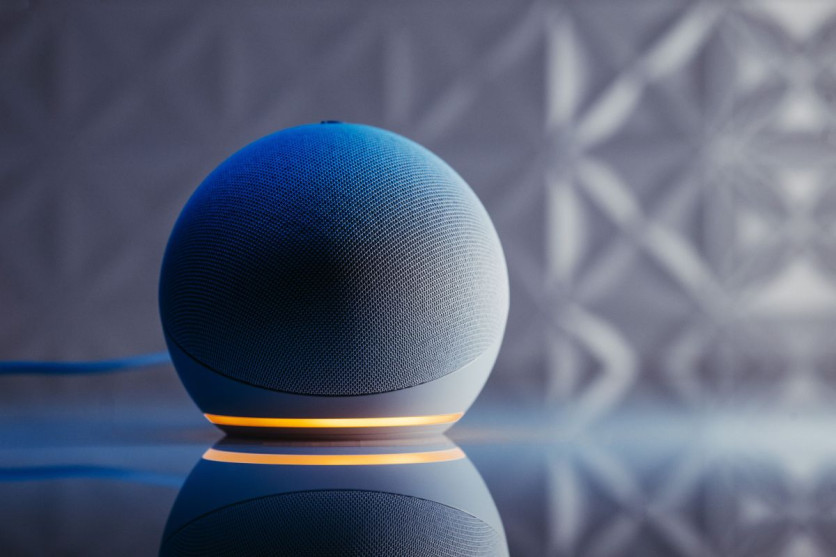
For most people, a smart speaker is the best place to begin. Devices such as Amazon Echo, Google Nest and Apple HomePod act as the central hub for many connected products, allowing users to control compatible lights, plugs, thermostats and other devices using voice commands or a mobile app.
They can also set reminders, play music, answer questions and automate routines. A single command such as 'Good morning' can switch on lights, read the day's weather forecast and start the coffee machine if it is connected to a smart plug.
Smart lighting is another upgrade that offers practical benefits rather than novelty. Smart bulbs and smart switches let users control brightness, change colour temperature, create schedules and operate lights remotely. Motion sensors can automatically illuminate hallways at night, while holiday modes can make an empty house appear occupied.
Most smart bulbs simply replace existing bulbs, making them suitable for both rented properties and owner-occupied homes without rewiring.
Smart security devices have become one of the fastest-growing parts of the market. Video doorbells, indoor and outdoor cameras, window sensors and smart locks allow homeowners to monitor their property from almost anywhere with an internet connection.
Many systems send instant notifications if motion is detected and allow two-way conversations through the camera. Some manufacturers also offer facial recognition or package detection, although these features often require a monthly subscription.
Smart thermostats remain one of the most useful connected devices because they can reduce unnecessary heating or cooling by learning household routines or allowing remote temperature adjustments. They are particularly valuable in larger homes where heating or air conditioning accounts for a sizeable share of energy consumption.
Perhaps the most underrated product is the smart plug. Costing far less than most connected devices, smart plugs allow ordinary lamps, fans, coffee makers and other appliances to be controlled remotely or scheduled to switch on and off automatically. They provide many of the advantages of a smart home without replacing existing appliances.
Not every connected product deserves a place in the average home. Internet-connected refrigerators, mirrors, kettles and toothbrushes often add features that many people rarely use. Unless they solve a genuine problem, they can become expensive gadgets rather than worthwhile investments.
When shopping, buyers should also look for products that support Matter, a connectivity standard backed by hundreds of technology companies. Matter is designed to improve compatibility between devices from different brands, making it easier to build a smart home without being locked into a single manufacturer's ecosystem.
While compatibility has improved, buyers should still confirm that new devices work with their preferred platform before purchasing.
Will Smart Devices Work in Any Home?
One of the biggest myths surrounding smart homes is that they are only suitable for newly built houses. In reality, most connected devices work in almost any property with reliable electricity and a stable Wi-Fi network.
Modern apartments are usually the easiest homes to automate because of their smaller size, which allows wireless signals to reach every room more easily. Detached houses and larger properties can also support extensive smart home systems, although they may require a mesh Wi-Fi network to maintain reliable coverage throughout the building.
Older houses can also become smart homes without major structural work. Wireless cameras, battery-powered sensors, smart speakers, plugs and bulbs require little more than an internet connection. The biggest challenge is often the home's existing wiring. Some older properties do not have neutral wires behind wall switches, making certain smart switches difficult to install.
In these cases, smart bulbs usually provide a simpler alternative. Thick brick, concrete or stone walls may also weaken Wi-Fi signals, making additional wireless access points worthwhile in larger or older buildings.
Recent home renovation projects have shown that even century-old properties can successfully incorporate modern smart technology while preserving their original character.
Privacy should be considered before installing any internet-connected device. Smart speakers process voice commands, security cameras record activity around the home and many connected products collect usage data to improve their services.
Researchers at the US National Institute of Standards and Technology have found that many consumers remain uncertain about how their smart home data are collected, stored and shared, despite recognising the convenience these devices offer.
Experts recommend changing default passwords, enabling two-factor authentication where available, installing software updates promptly and reviewing privacy settings regularly. Buyers should also consider how long manufacturers promise to support devices with security updates. Unsupported products can become vulnerable even if they continue working normally.
The cost of creating a smart home varies depending on how many devices are installed. Someone starting with a smart speaker, four smart bulbs and several smart plugs can expect to spend around £200 to £350. Adding a video doorbell, smart thermostat and a pair of security cameras usually brings the total to £700 to £1,500.
A fully connected three-bedroom home with smart lighting throughout, heating controls, security cameras, smart locks, sensors and voice assistants will typically require an investment of £2,000 to £5,500, depending on the brands chosen and whether professional installation is needed. Luxury systems with integrated entertainment, automated blinds, whole-home audio and custom control panels can cost well over £10,000.
For most households, however, there is no need to automate everything at once. Starting with a handful of well-chosen devices and expanding gradually allows homeowners to build a system that suits their lifestyle, avoids unnecessary expense and remains easy to manage. A smart home should make everyday life simpler, not fill it with technology that rarely gets used.
Frequently Asked Questions
- What is a smart home?A smart home uses internet-connected devices to enable remote management and automation of household systems like lighting, security, and climate control.
- Are smart home devices compatible with older homes?Yes, most smart home devices can be installed in older homes with reliable electricity and Wi-Fi, though some may require additional considerations like Wi-Fi extenders.
- What should I consider when buying smart home devices?Consider compatibility with existing devices, privacy concerns, installation requirements, and the value the device adds to your daily life.
- How can I ensure the security of my smart home devices?Change default passwords, enable two-factor authentication, install updates promptly, and review privacy settings regularly.


