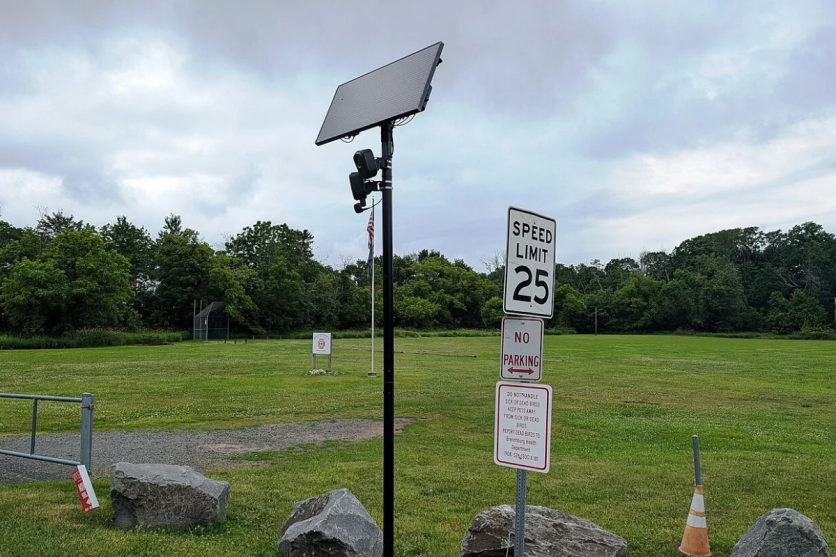
San Diego's Flock cameras were switched off on 17 November, according to Daylight San Diego, a day after councillors unanimously withdrew authorisation for the system.The decision followed a disclosure that police internal investigators had searched vehicle records concerning an officer and a domestic violence victim while examining his alleged professional misconduct.
Investigators wanted to know whether their personal cars had been near each other. The search returned no evidence of that proximity, but its disclosure helped turn additional councillors against the automated licence plate readers. Police defended the search as authorised; critics questioned why the woman had been subjected to it.
Investigators Searched Both Personal Vehicles but Found No Match
The search formed part of a 2025 misconduct inquiry, according to internal records reported by Voice of San Diego. Investigators suspected an officer had begun a sexual relationship with a woman he met while responding to a domestic violence call.
They queried Flock records for her car and his personal vehicle, looking for sightings that might place them together. The camera network captures number plates, allowing police to search for vehicles recorded around the city. In this instance, it did not supply the evidence investigators sought.
A separate system, recording the location of police vehicles, placed the officer's patrol car at the woman's home. The investigation ultimately substantiated six misconduct allegations, and the officer is no longer with the department. Flock was not the source that established where his police car had been.
Police and Critics Disagreed Over Who Could Be Searched
The department said its rules permitted searches connected to specific allegations of employee misconduct. Its policy allowed 'legitimate purposes', while its procedures referred to 'official investigations'. Spokesperson Ashley Nicholes said those purposes were not limited to criminal matters.
Ted Womack Jr., vice-chair of the city's Privacy Advisory Board, challenged that interpretation. He questioned why the victim's vehicle needed to be searched when she was not herself a suspect or the subject of an investigation. The inquiry's purpose did not resolve that disagreement over the scope of police surveillance.
The department said it had used the system in six internal investigations. Three searches produced no applicable information, two corroborated officers' accounts and one substantiated misconduct. Police presented those uses as part of holding employees accountable; critics disputed how broadly investigators could exercise that access.
Opposition to Flock already had momentum: a council committee backed ending the contract in October. After the latest disclosure, councillors Raul Campillo and Marni von Wilpert withdrew their support. Mayor Todd Gloria accepted the council's eventual decision, saying he would not veto it.
The Switch-Off Leaves Removal and Deletion Unconfirmed
The vote withdrew permission to operate the system, and the reported switch-off establishes that the cameras stopped running. Neither step, by itself, establishes what happened to information collected before shutdown or to the equipment installed around the city.
Daylight's 19 November newsletter said it had asked police and the mayor's office about removing cameras and deleting data. The supplied account confirms the switch-off but provides no answers on those further steps. Ending collection and disposing of existing records are separate actions; only the former is confirmed by that report.


