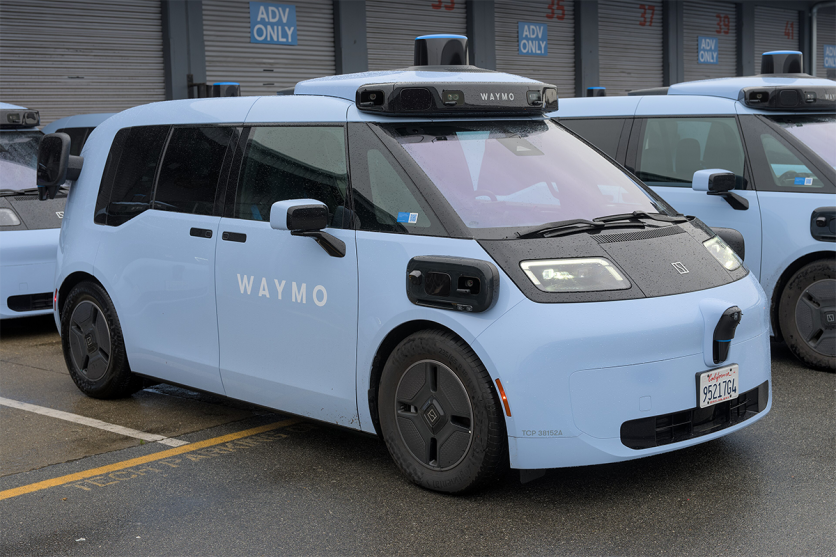
A man in Denver allegedly repeatedly obstructed Waymo's self-driving vehicles with traffic cones and threw eggs at them, according to a police report cited by KRDO on 24 November.
The Denver Police Department received a report on 16 October concerning alleged criminal mischief involving Waymo-owned vehicles. A Waymo investigator reportedly told police that seven incidents involving seven separate vehicles were believed to be connected to the same individual.
Waymo reportedly recorded approximately 30 incidents it attributed to the same person, but submitted seven incidents for potential prosecution. The allegations have not been established in court.
What the Police Report Alleges
According to the police report, a Waymo investigator alleged that a man repeatedly used traffic cones to obstruct the company's vehicles and threw eggs at them. The reported incidents involved the same unidentified individual and were documented as a recurring pattern, rather than a single occurrence.
The police report described the suspect as a man aged 40 to 50 with brown hair worn in a ponytail. It also identified a silver 2026 Toyota Corolla with Colorado registration as the vehicle allegedly associated with him.
Waymo reportedly told investigators that the affected vehicles had to be taken out of service for detailing and cleaning. The company estimated that the cleaning expenses ranged from approximately $800 (£600) to $2,000 (£1,500). The police-report account says the vehicles were cleaned after the alleged incidents, but does not establish that they sustained permanent damage.
KRDO's account describes the alleged interference as involving the placement of cones in front of the vehicles and egg-throwing. These details remain allegations and have not been tested in court.
Police Consulted Prosecutors
Denver police reviewed digital evidence and documents relating to the allegations before contacting prosecutors about whether criminal charges could be pursued, according to the police report.
The Denver District Attorney's Office initially advised police that criminal charges were not appropriate at that time, reportedly describing the matter as civil. The initial assessment did not amount to a court ruling on the allegations.
Colorado law separately addresses throwing objects at vehicles. Under Section 18-9-116 of the state's revised statutes, knowingly projecting an object or substance at a vehicle designed to transport people or property, other than a bicycle, constitutes a civil infraction. Whether the provision applies to the reported incidents would depend on the evidence.
Prosecutors' Response
In a later statement, a spokesperson for the Denver District Attorney's Office said prosecutors were collecting evidence regarding potential damage to the vehicles.
The office said it would coordinate with the City Attorney's Office to identify an appropriate legal mechanism to stop the alleged behaviour. The statement did not announce a final legal outcome.
The latest statements did not announce any criminal charges or a final legal outcome.
Waymo's Denver Service
Waymo began welcoming public riders in Denver on 1 September 2026, according to the company's announcement. The launch followed testing in the city that began the previous year, according to local reporting.
The expansion marks another step in Waymo's efforts to bring its autonomous ride-hailing service to more US cities. Its vehicles use a combination of cameras, sensors and artificial intelligence to navigate roads, identify obstacles and respond to surrounding traffic.
The company has been expanding its operations as demand for driverless transport grows, although its rollout has also drawn scrutiny over how its vehicles behave around pedestrians, cyclists and other road users.


