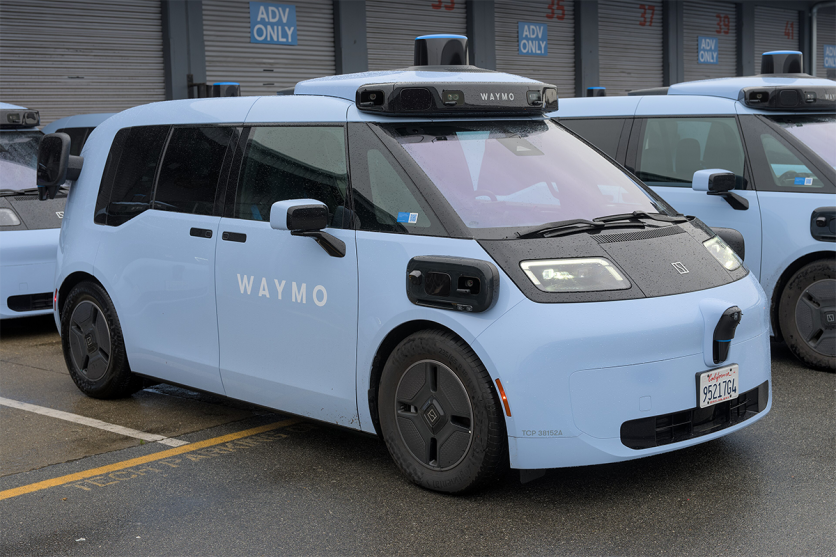
US regulators are investigating Waymo's robotaxis after finding that most school-bus incidents identified in an earlier inquiry occurred after the company's reported software-fix date.
The National Highway Traffic Safety Administration opened the inquiry on 6 November 2026, covering 2,895 vehicles equipped with the Alphabet-owned company's fifth-generation automated driving system. Investigators are examining reports of vehicles passing stopped school buses displaying flashing red lights or extended stop arms.
NHTSA Questions Waymo's November 2025 Remedy
The agency calls the investigation a 'recall query', a review of whether an earlier safety remedy adequately addressed the problem. The reported conduct involves buses stopping to let children board or leave, when approaching vehicles must stop and remain stationary.
Waymo's recall report said the update reached all affected vehicles by 17 November 2025. NHTSA says most reported incidents identified during its earlier investigation occurred afterwards and will examine the remedy's adequacy and the causes of subsequent incidents.
Waymo says its vehicles' behaviour around school buses has improved. 'We have made significant improvements to vehicle behavior around school buses and have received no citations since March 2026,' a spokesperson told TechCrunch.
The company said it would respond to the agency's query. Its statement concerns citations, while NHTSA's opening document does not specify the date of the latest reported incident or determine why post-remedy incidents occurred.
January Incident Involved Waymo Remote Assistance
A separate preliminary report from the National Transportation Safety Board describes a Waymo vehicle stopping opposite an Austin school bus on 12 January 2026. The bus was loading students with red lights flashing and both stop arms extended.
After stopping, the vehicle asked remote assistance whether the bus had active signals. A remote agent answered 'No', after which the vehicle resumed travelling and passed the bus while its stop arms remained extended.
The NTSB defines remote assistance as information or advice from a remotely located person. Its account does not describe the agent remotely steering the vehicle.
Several human-driven vehicles also passed the stopped bus during the incident. No crash occurred, and the NTSB has not determined the probable cause.
In its original recall report, Waymo described software that could move again if it determined it was obstructing a priority vehicle. That explanation concerns the original defect; investigators have not established that it explains every subsequent incident.
The original recall, filed on 10 December 2025, covered 3,067 automated driving systems. The new inquiry lists 2,895 vehicles; its opening document does not explain the difference.
🏛️ My Case "Fix complete" is an account. What the vehicle did at a stopped school bus is evidence. NHTSA opened a new Waymo query after most passing incidents it reviewed came after the company said a software update was done. Trust the record at the stop, not the status report. #Robotaxi
— Arie Trouw (@arietrouw.bsky.social) 2026-11-10T21:43:10.659Z
Waymo Is Testing in London With Specialists Onboard
Waymo is also testing its technology in London as it prepares a British ride-hailing service. Its UK information page says trained autonomous specialists are onboard during early trials and commercial rides are not yet available.
The company says the London work involves mapping and validating its technology across different street layouts and driving conditions. For London road users, the current programme therefore involves testing rather than access to a commercial driverless taxi service.
The US investigation documents incidents involving American school buses and their stop signals. The sources reviewed do not establish comparable UK incidents, a delay to Waymo's London launch or any change to British testing resulting from the inquiry.


