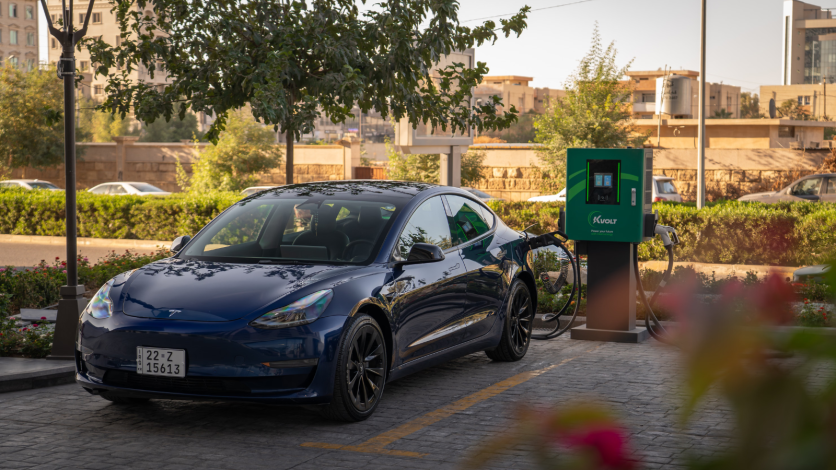
After 102 consecutive days using Tesla's Full Self-Driving system, Hubert Thieblot describes a change in driving with permanent nerve damage in his arms. Driving used to be painful, he writes on X. 'I can take a trip and arrive relaxed.'
The appeal extends beyond letting a car handle more of the journey. One respondent highlights the independence and energy left for the destination, recognising a benefit that matters before anyone starts counting crashes.
Another participant asks what happens when the driver suddenly needs to disengage. It is a practical complication: partial automation can handle speed and steering, but the person behind the wheel must still monitor the road and remain ready to intervene.
That combination of assistance and continuing responsibility underlies the Insurance Institute for Highway Safety's scrutiny of the technology. The institute describes partial automation as a convenience feature with no demonstrated safety benefit, even as drivers report meaningful improvements to their journeys.
102 days straight of using FSD.
— Hubert Thieblot (@hthieblot) October 18, 2026
It’s hard to explain how life-changing this has been for me.
I have permanent nerve damage in my arms, and driving used to be very painful.
A few months ago, it avoided a collision when someone merged into our lane on the highway with all our… pic.twitter.com/axZAG3lkXg
Physical Relief Depends on the Driver
A study published in April examines how adaptive cruise control and lane assistance affect muscular work during urban driving. Researchers record muscle activity as participants alternate between driving with and without the functions, distinguishing periods of work from rest.
The responses vary. Some drivers gain muscular rest time with assistance; others experience increased workload. Those measurements concern physical activity, rather than directly establishing reductions in pain or fatigue.
A literature review by Kelly Stulce and Jon Antin identifies another part of the problem: assistance must be usable by the person it is intended to support. They write that 'both the level of assistance ADAS offer and the interface used to access that support must be tailored to the functional abilities of the driver'.
For some drivers, accurately selecting a touchscreen control can be difficult. Correcting an unintended selection demands further attention, potentially offsetting some of the convenience the technology offers.
Training also needs to accommodate different functional abilities and explain system limits. A feature that reduces the effort of operating a vehicle can still impose demands through the way it is accessed and understood.
Crash Avoidance Has a Different Evidence Base
IIHS's research overview reports no crash-reduction advantage in a police-reported crash analysis comparing vehicles equipped with partial automation against vehicles from the same manufacturers equipped only with crash-avoidance technology.
The comparison concerns the additional benefit of sustained automation, not whether all assistance technology works. Adaptive cruise control continuously adjusts speed and following distance; lane centring provides sustained steering assistance. Automatic emergency braking intervenes briefly when a collision threatens.
The institute credits several crash-avoidance features with real-world crash reductions. Its assessment of partial automation does not erase those benefits, nor does a vehicle's collection of safety features establish that its sustained speed and steering assistance adds another reduction.
This distinction is especially important when technologies are packaged together. A car can contain effective collision-prevention equipment while the additional safety contribution of its partial automation remains unproven.
Assistance Still Needs an Attentive Driver
Partial automation leaves the person with a job that is less visible than steering: checking whether the system is handling the road appropriately and intervening when it is not. Taking over vehicle-control tasks does not transfer that responsibility.
IIHS's safeguards address that continuing role. Driver monitoring, escalating reminders and emergency procedures are intended to keep a person engaged or respond when they stop responding. The design challenge is to make driving easier without making it easier to stop paying attention.
My FSD scraped the gate entering a driveway :(
— Matthew Berman (@MatthewBerman) October 18, 2026
Back in the thread, Matthew Berman reports that his FSD scrapes a gate while entering a driveway. Thieblot, whose opening post describes the relief of arriving relaxed, has a practice of his own for that part of the journey.
Thieblot responds: 'Damn, yeah I always do the driveway manually'.
Frequently Asked Questions
- What is Tesla's Full Self-Driving system?Tesla's Full Self-Driving system is a suite of advanced driver-assistance features that aim to provide autonomous driving capabilities.
- Does partial automation improve driving safety?According to the Insurance Institute for Highway Safety, partial automation is considered a convenience feature with no demonstrated safety benefit.
- What are the challenges of using partial automation in vehicles?Challenges include the need for drivers to remain attentive and ready to intervene, as well as the usability of the system for drivers with different functional abilities.
- How does partial automation affect physical strain during driving?The effects vary; some drivers experience reduced muscular work, while others may have an increased workload.


