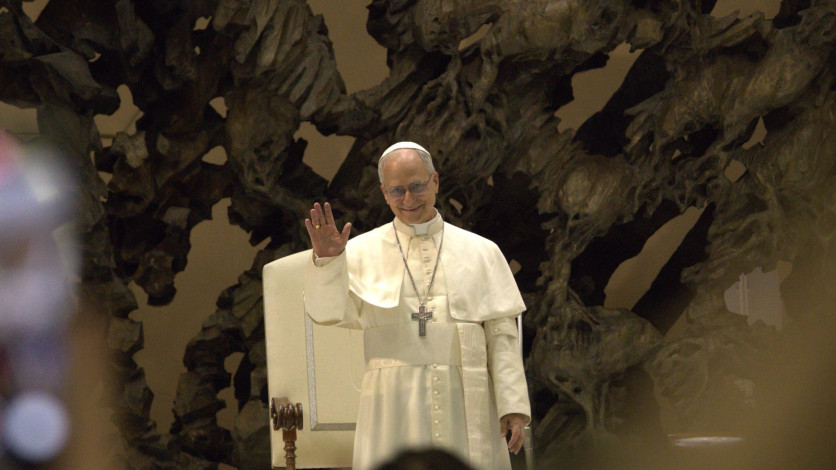
Some choices should never be automated. Pope Leo XIV drew that line this week, cautioning that AI cannot be trusted with decisions over life and death, from autonomous killer robots to target lists and border systems that see only data, not people.
The Pope's warning goes beyond the threat of autonomous weapons. He is challenging a growing reliance on machines to make decisions that can determine someone's freedom, safety or even survival – while potentially allowing the humans behind those systems to escape responsibility when things go wrong.
Speaking at a meeting titled 'The Future of AI: A Dialogue Between the Vatican and the Scientific World on the Developments and Applications of Intelligent Technologies', Pope Leo said decisions affecting human life, freedom and the use of force must always remain under meaningful human control.
He also warned that artificial intelligence should serve humanity rather than become a powerful technology operating without proper accountability.
Who Takes Responsibility When AI Gets It Wrong?
One of the Pope's biggest concerns is the growing risk of treating human beings as information that can be processed, ranked and acted upon by machines.
He pointed to the dangers of using AI to place people on military target lists or in border control databases, warning that individuals could become little more than data points rather than human beings whose lives and circumstances deserve consideration.
When a decision involves the use of force, national security or a person's freedom, the question of who makes it becomes critical.
'Decisions affecting human life, freedom and the use of force must always remain subject to effective, informed and responsible human oversight,' Pope Leo explained.
Imagine being wrongly targeted, or denied your rights, by a system no one can fully explain. Who is held responsible? That is the accountability gap the Pope's warning exposes.
The Pope believes responsibility must remain with human beings, rather than disappearing behind an automated system.
AI Is a Tool, Not a Person
The warning comes as some have suggested giving artificial intelligence systems rights or even legal status.
Pope Leo strongly questioned that idea, arguing that machines are tools, not people. Unlike human beings, AI systems do not have bodies, feelings, personal experiences or relationships. Nor do they understand love, work or responsibility.
Giving machines legal personhood, he cautioned, could create another problem: making it harder to identify the humans responsible when their technology causes harm.
He warned that this could risk 'obscuring human responsibility and leaving those who suffer harm to confront a faceless entity'.
In other words, companies and governments can't hide behind a machine. The people who build and use AI must answer to those harmed by its decisions.
The Pope's concerns reflect a wider debate about how far society should allow automated systems to influence decisions traditionally made by people, particularly when the consequences cannot easily be reversed.
Pope Calls for Action Against Killer Robots
Pope Leo also revisited concerns raised by his predecessor, Pope Francis, who described artificial intelligence as an 'exciting and fearsome tool' when addressing G7 leaders in 2024.
At the time, Francis stressed that no machine should ever be allowed to decide whether to take a human life.
Pope Leo said those words still ring true today. He also urged countries meeting in Geneva in November to take steps towards banning lethal autonomous weapons. The Pope laid out five guiding principles for AI, drawing on his own encyclical, Magnifica Humanitas.
These include recognising that AI's future is not predetermined, keeping machines firmly in the category of tools, protecting decisions that must remain human, directing technology towards the common good and establishing institutions capable of enforcing ethical principles.
He argued that humanity still has the power to decide how artificial intelligence develops and where its applications should be rejected.
The question, he suggested, should not simply be what AI can do, but what purpose it should serve.
The Growing Demand for AI Accountability
Beyond military applications, Pope Leo warned that artificial intelligence must not become a technology that benefits only powerful companies or privileged groups.
He called for systems that promote solidarity and ensure the benefits of technological progress are shared more equally across society. But his most urgent demand was for stronger institutions capable of turning ethical principles into practical safeguards.
In practice, that means common standards, independent checks and clear responsibility, so people can question AI decisions and correct them when needed.
He also said there should be real remedies when the technology hurts people. In the end, his message was clear: however powerful AI gets, humans stay responsible.
'Decisions affecting human life, freedom and the use of force must always remain subject to effective, informed and responsible human oversight.'


