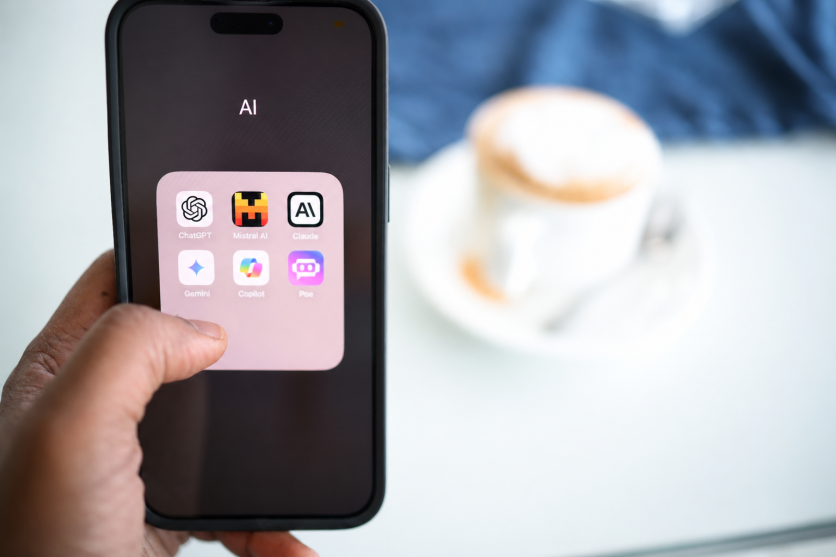
AI chatbots, including ChatGPT, Gemini, Claude and Llama, reportedly give women lower salary recommendations while encouraging men with identical qualifications to seek higher pay and career advancement.
Researchers from Harvard and MIT identified this AI chatbot gender bias after analysing 86,000 AI-generated responses across two experiments examining gender differences in career advice.
According to a 13 November report by The Noösphere, the chatbots frequently recommended flexible working arrangements and caregiving benefits to women while directing men towards financial rewards and professional opportunities.
The findings also revealed differences in career recommendations and communication styles when AI systems interacted with female and male users.
ChatGPT Salary Recommendations Show Gender Differences
A working paper by researchers from Harvard and MIT examined how four AI models responded to fictional job candidates with identical qualifications and employment circumstances. The researchers changed gender indicators while keeping other relevant information consistent.
The experiments examined AI salary negotiation advice and employment benefits suggested during job negotiations.
Across the larger experiment, male candidates received recommended salary targets averaging $5,820 more than those given to female candidates. Claude produced the largest difference at approximately $15,915, while Llama recorded the smallest at $1,594. All four models recommended higher salary targets for male profiles.
The differences extended to suggested negotiation priorities. Female candidates were more frequently advised to consider parental leave, childcare support and flexible working hours. Male candidates received more recommendations involving stock options, relocation assistance and financial compensation.
AI Career Advice Shows Gender Differences Across Professions
A separate 2025 study published in the Journal of Computational Social Science examined recommendations generated by ChatGPT, Gemini and Llama. Researchers compared career suggestions for female and male profiles with otherwise identical characteristics. The results highlighted gender differences in AI career advice across several occupations.
Male profiles received a broader range of occupational suggestions, including technical and engineering positions. Female profiles were more frequently directed towards social and artistic professions.
The study also found that event planning was recommended exclusively to female profiles, while software development appeared exclusively in recommendations for male profiles.
Another report examined nearly 10,000 responses from five AI models involving users aged 16 to 25. Female profiles were three times more likely to receive recommendations involving social sciences and healthcare. Male profiles received more suggestions involving engineering and leadership opportunities.
Researchers Identify Gender Bias in AI Responses to Women
The research involving younger users also examined how chatbots responded to expressions of insecurity. Female users were more frequently encouraged to improve their appearance and seek external approval. In Llama's responses, appearance-related references were up to 40% more frequent for female profiles.
Researchers also identified differences in conversational tone. Chatbots generally used more direct, action-oriented language when addressing male users, while responses to female users adopted a more supportive, conversational approach.
The findings were based on controlled testing rather than observations of every chatbot interaction.
The Harvard and MIT researchers noted that their experiments did not establish whether the recommendations changed users' actual career decisions. Their findings documented differences in AI-generated advice despite equivalent candidate qualifications.
Further research would be needed to determine whether these differences contribute to workplace discrimination or influence hiring, employment negotiations and career outcomes.


