A Tesla robotaxi got stuck on 'fart mode' with a passenger aboard, and the safety driver said he could not stop it. The episode is a small window onto how much of the service still appears to depend on people.
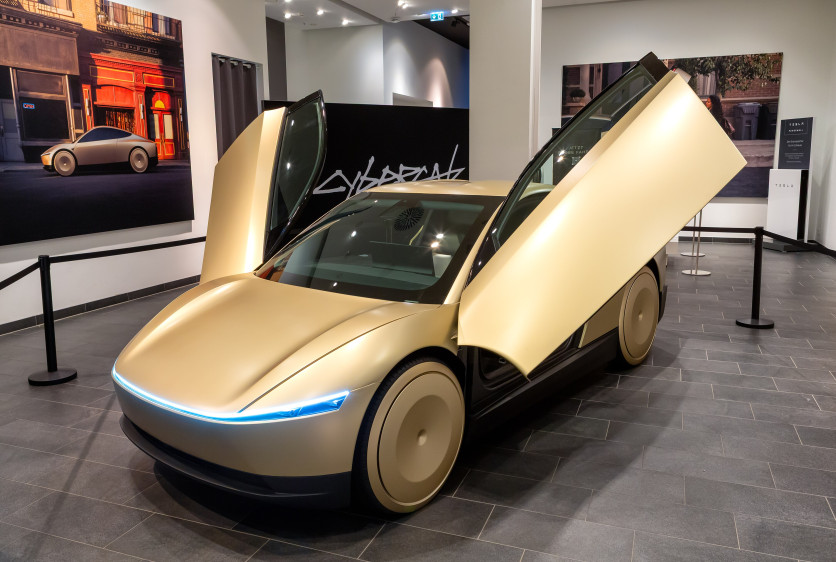
US regulators announced an audit query on 4 September 2026 into whether Tesla's Cybercab, a vehicle with no pedals or steering wheel, meets federal safety standards.
Five Crash Reports Put a Human at the Wheel
Tesla's robotaxi is starting to look less like a driverless car and more like a call centre with wheels. Electrek, which analysed NHTSA crash data, counted five reported incidents in which a remote operator was driving, and every one ended in contact.
Electrek also counts 36 Robotaxi incident reports on file, up from 22 in July, though these are reports rather than confirmed defects. Tesla does not disclose how often remote operators step in, so no contact rate can be calculated.
A 2018 Feature the Volume Could Not Control
The feature dates to a 2018 Tesla update, officially called 'emissions testing mode', and offers five levels of sound. The San Francisco Standard's tech writer Zara Stone rode in one such car and reported that the safety driver had been tinkering with the settings before the ride.
Stone reported the driver, laughing with embarrassment, saying 'Even the volume doesn't control it.' The sounds had not stopped by the end of the journey, the report says.
The feature is not confined to robotaxis. Tesla's UK owner's manual for the Model 3 still tells drivers to 'Select your preferred fart style and target seat', while noting that features can vary by market region.
A Petition, a Permit and a 1,000-Vehicle Fleet
The ride was about a noise. The fleet is about school zones. The audit is about something larger: whether a vehicle with no traditional human controls can be certified against standards written for cars that have them.
A defect petition received on 23 September 2026 alleges that model year 2026 Robotaxis have been speeding through active school zones. NHTSA opened the petition as DP26010 on 9 October 2026, and its evidence file holds three social media videos and four incidents, with no reported crashes, injuries or deaths. The agency estimates the fleet at about 1,000 vehicles, though Electrek notes that figure may include cars that are not active.
California is no simpler. The state's DMV lists Tesla Robotaxi LLC on its with-driver testing list, but not on its driverless testing or deployment tables. Electrek reported that Waymo, the Alphabet-owned rival, told a US senator in a February 2026 letter that its staff do not steer its cars remotely, apart from a nudge of 2 mph that Waymo says has never been used outside training.
Sworn Answers Due End of September 2026, Decision by January 2027
NHTSA says it 'fully supports the safe development and deployment of automated vehicles', a line that sits alongside the audit query rather than any finding against Tesla. Electrek reported that Tesla's sworn answers were due on 30 September 2026 and have not been made public.
The petition clock runs 120 days from filing, which points to a decision around 21 January 2027. The question for Tesla is whether the self-certification of its safety case can hold even and especially where there is no steering wheel to fall back on.


