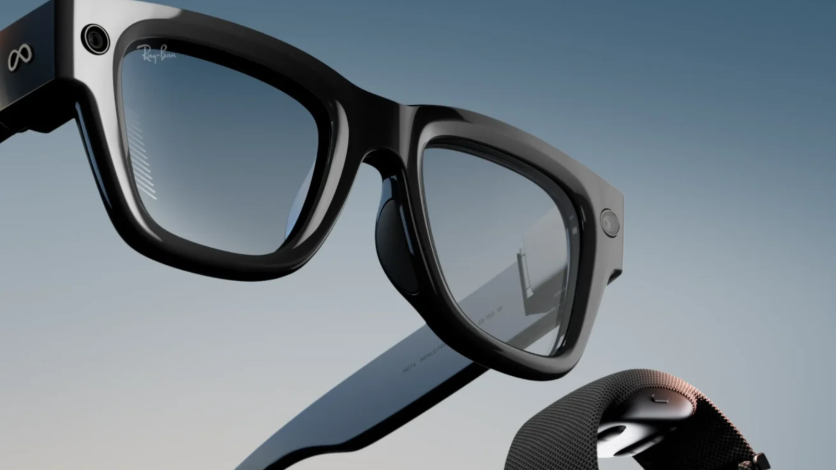
Meta's Ray-Ban smart glasses reportedly recorded private conversations without users saying 'Hey Meta', leaving audio recordings and transcripts in the Meta AI app without their knowledge.
The issue emerged in Reddit complaints reported on 13 October 2026, including one owner's account of similar behaviour across three pairs of glasses. Meta says the problem has been resolved but has not publicly explained what caused it.
The reports have raised privacy concerns about AI-powered wearables, particularly when conversations involving people who may not realise they are being recorded appear in users' activity histories.
Three Pairs of Meta Smart Glasses Reportedly Recorded Conversations
The problem came to light after a Reddit user reported finding ordinary conversations saved in the Meta AI app.
According to the owner, audio recordings and written transcripts appeared in their activity history, even though they had not intentionally activated the assistant.
The owner said the 'Respond without Hey Meta' setting was disabled. They also noticed the glasses' internal notification light activating during normal conversations, despite making no request to Meta AI.
The same behaviour allegedly occurred across three separate pairs of Ray-Ban Meta glasses, including second- and third-generation models. The owner first noticed the problem after a recent firmware update, although there is no evidence that the update caused it.
Other Reddit users described similar unexplained activations.
However, Android Authority said the complaints remained limited and that it had not independently reproduced the behaviour. There is no evidence that the problem was widespread.
Meta Says Recording Issue Is Fixed but Leaves Questions Unanswered
Meta told Android Authority on 13 October that the reported issue had been resolved. The company also reminded users that they could review and delete their voice logs through the Meta AI app.
'This issue has been resolved. People can manage, review and delete voice logs of their interactions with Meta AI via settings at any time,' the company said, as also reported by 9to5Google.
However, Meta did not publicly explain what triggered the unexpected activations or disclose how many devices were affected. Its response also did not clarify how the recordings described in the complaints were processed or whether anyone else had reviewed them.
There is no evidence that the reported recordings were accessed without authorisation.
Before Meta's response, the original complainant said customer support had recommended disabling microphone and camera permissions, turning off Wear Detection, deleting voice history and disabling automatic updates.
The owner argued that these measures would interfere with the glasses' main functions without addressing the underlying problem.
Could Unwanted Recordings Put Private Conversations at Risk?
Meta's voice privacy documentation acknowledges that voice services can sometimes activate unintentionally. However, reports of saved audio and transcripts raise questions about what happens when an assistant activates without a user's intended command.
The complaints follow earlier scrutiny of how Meta handles information collected through its smart glasses.
On 25 February 2026, Swedish newspapers Svenska Dagbladet and Göteborgs-Posten published an investigation involving workers at data annotation contractor Sama in Kenya.
Workers told the newspapers they had reviewed sensitive material associated with Meta's AI systems, including intimate footage and private moments.
The journalists interviewed 32 workers, nine of whom specifically worked on annotating video, images and speech for Meta's AI systems. However, the journalists did not directly inspect the material described.
There is no established connection between that investigation and October's reported audio recordings. Nevertheless, both accounts raise questions about privacy and users' control over captured information.
Meta's responsible innovation principles emphasise transparency and privacy controls, making the lack of a detailed public explanation particularly relevant.
How Meta Smart Glasses Owners Can Check Their Voice Recordings
Owners concerned about unexpected recordings can review their voice activity through the Meta AI app.
Open the app's settings and look for the voice activity log under the connected glasses' privacy or voice settings. Menu names and locations may vary depending on the app version.
The log allows users to review and delete stored voice interactions.
Meta says deleted recordings will not be used for future AI training. However, it acknowledges that deleting information does not immediately reverse patterns an AI model may previously have learnt from it.
Users can also disable voice activation, although doing so reduces hands-free functionality.
Reviewing the activity log may help identify unwanted recordings, but deleting them does not explain why they were captured.
Meta maintains that the problem has been resolved.
Yet without further public details about its cause or how the reported recordings were handled, an important question remains: how can owners be confident their glasses are not saving conversations they never intended to share?


