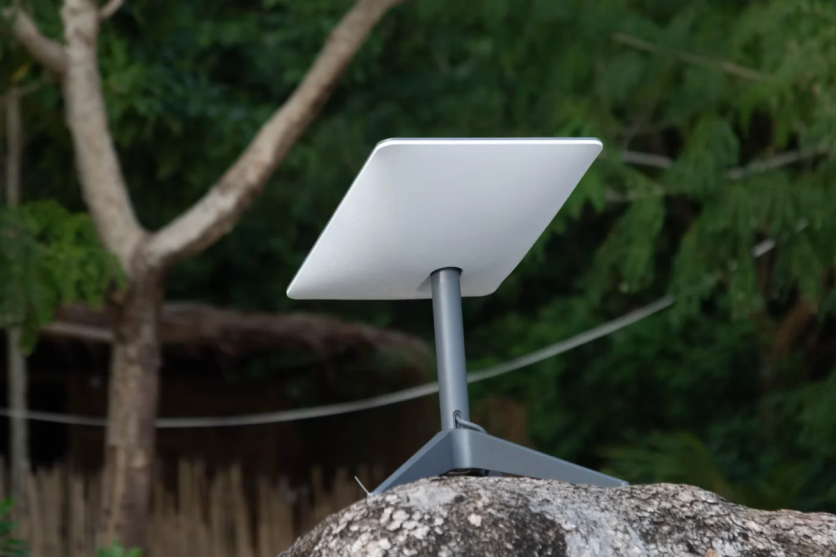
SpaceX will provide 750 Starlink systems to childcare institutions in 16 countries, including nine in Africa, through a grant to US-based non-profit Both Ends Believing (BEB).
Announced on 11 November 2026, the initiative is valued at nearly $1 million and aims to improve internet access, digitise children's records and support efforts to trace relatives.
The nine African countries named are Botswana, Ghana, Kenya, Malawi, Nigeria, Sierra Leone, Uganda, Zambia and Zimbabwe. The other seven participating countries have not been identified.
SpaceX will supply the equipment, shipping and installation support, alongside 12 months of internet access at no cost. Facilities will then be eligible for subsidised service, although the price and duration have not been disclosed.
Starlink Will Support Digital Records in Children's Homes
The connection will support BEB's Children First Software, a platform designed to help governments and childcare providers register children, digitise case files and manage records.
Paper files can be damaged, lost or incomplete, making it harder to establish a child's identity, understand how they entered care or trace relatives.
Sandra Chikan, Vice President for Northern Nigeria at ASOHON, said many facilities still rely on paper records that leave important details missing.
BREAKING: SpaceX is donating 750 Starlink kits to help children’s homes across 16 countries, including 9 in Africa.
— DogeDesigner (@cb_doge) November 11, 2026
Working with Both Ends Believing (BEB), Starlink will help digitize children’s records, trace relatives & support efforts to reunite children with their families. pic.twitter.com/gFyzJhQzJV
'In many of our homes, a child's information is still kept in paper files that are easily damaged or lost, and sometimes the most important details are missing: who the child is, where they came from, who referred them.'
Chikan said Children First could address those gaps, but facilities need reliable internet access to use the platform. Starlink is intended to provide that connection, allowing staff to update records, access case information and make details easier to retrieve when authorities need them.
BEB President Bruce Graham linked reliable information to family tracing. 'You cannot reunify a child you cannot find, and you cannot inspect a facility you do not know exists,' he said. Better records could also help authorities identify gaps in care, monitor institutions and make more informed decisions about children's welfare.
African Child Protection Systems Face Wider Challenges
The programme comes as African governments face challenges in identifying and monitoring children without parental care. A 2023 study by the African Committee of Experts on the Rights and Welfare of the Child (ACERWC) estimated that 35 million children across the continent were in this situation, including those outside residential care.
The study found that more than 70% of African countries lacked comprehensive policy frameworks for protecting children without parental care.
In September 2025, the ACERWC issued General Comment No. 10 on Article 25 of the African Charter on the Rights and Welfare of the Child.
SpaceX to Connect Children’s Homes in 9 African Countries With @Starlink
— Brian Basson (@BassonBrain) November 11, 2026
Many homes will be connected to internet for the first time.
SpaceX is granting ~750 Starlink systems (valued at nearly $1 million) to children’s residential care institutions in 16 countries worldwide,… pic.twitter.com/3GJKNbKEZu
The guidance says institutional care should be a temporary measure of last resort and emphasises the importance of monitoring facilities and maintaining reliable records.
BEB says it works in more than 20 countries and has helped governments and childcare providers digitise records for tens of thousands of children. It says its work has supported efforts to move thousands of children from institutional care into families.
The Starlink grant does not guarantee family reunification, with outcomes depending on accurate records, professional intervention and decisions made in each child's best interests.
The announcement provides no installation timetable, identifies neither the other seven countries nor targets for reunification, and does not explain how children's personal data will be protected.


