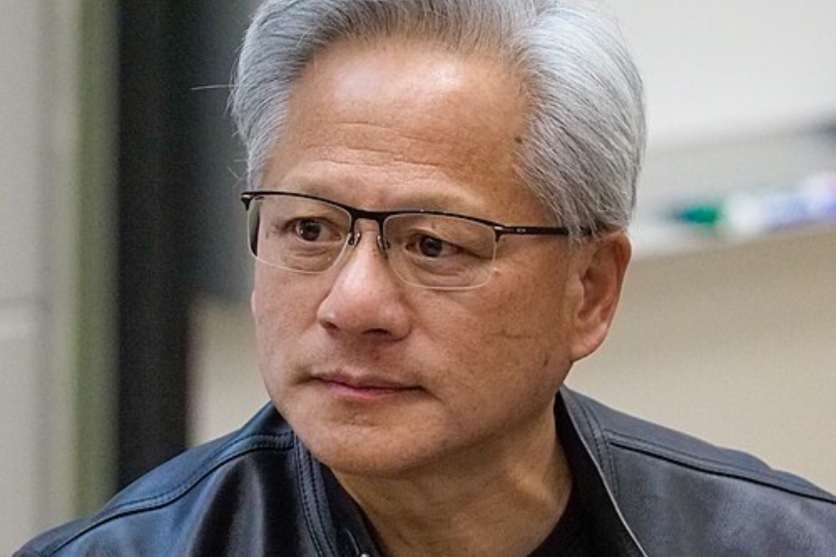
Nvidia has hired Wall Street law firm Wachtell, Lipton, Rosen & Katz to investigate reports that chief executive Jensen Huang was targeted by a suspected Chinese intelligence operation.
The appointment, confirmed on 10 November 2026, follows allegations involving his relationship with Alice Huang, a former executive of Singapore-based Nvidia customer Megaspeed.
The inquiry comes amid scrutiny of Nvidia's China business and claims that restricted AI chips reached Chinese buyers through Southeast Asian intermediaries. Neither espionage nor wrongdoing by Jensen Huang has been established.
Wall Street Short Seller Raised Questions in May
On 13 May 2026, Culper Research published a report questioning Nvidia's China business, Megaspeed's chip purchases and Jensen Huang's relationship with Alice Huang, who is not related to him. It described their association as 'uncomfortably close'.
Culper cited photographs and social encounters between the executives. It alleged that intermediaries helped Chinese customers obtain restricted Nvidia technology and questioned whether Megaspeed received financing linked to Alibaba.
The research firm disclosed that it was shorting Nvidia shares, meaning it could profit from a price decline. Its allegations did not establish espionage or unlawful chip exports.
How the Chinese Intelligence Allegations Emerged
The New York Times reported that US authorities had identified Alice Huang as an asset linked to China's Ministry of State Security. Reuters said it could not independently verify the intelligence allegation.
China's foreign ministry rejected it as groundless. On 8 November, Jensen Huang apologised to Nvidia employees for marital infidelity. 'I was unfaithful to my wife,' he wrote in a company message, accepting responsibility for his conduct.
The apology did not identify the other person involved. Nor does it establish that Huang knowingly assisted any intelligence service.
Nvidia's board said it had no reason to believe national security or company secrets were compromised. It nevertheless promised to examine all available information.
Why Nvidia Hired Wachtell
On 8 November, Nvidia announced an independent investigation overseen by a committee of directors, assisted by outside counsel. The board expressed confidence in Huang and said he would cooperate.
On 10 November, independent directors confirmed that former acting US attorney Joon H. Kim and his firm, Wachtell, would conduct the investigation.
Kim previously led the US attorney's office for the Southern District of New York in an acting capacity. Wachtell is known for handling major corporate disputes and governance matters.
Nvidia has not publicly set a deadline for the review or confirmed whether its findings will be released.
Why Jensen Huang's Future Is Under Scrutiny
The controversy has raised questions about Nvidia's leadership, corporate oversight and compliance with US restrictions on advanced AI chip exports.
On 11 November, Reuters reported that Nvidia's board was meeting to decide whether to remove Huang, citing a source familiar with the matter. The company did not immediately comment, and the report did not confirm a decision.
US senators Elizabeth Warren and Chris Coons also asked the White House, Commerce Department and State Department to preserve records concerning Nvidia chip exports and the reported intelligence operation. They requested a national security briefing.
The board inquiry and congressional scrutiny do not establish wrongdoing. Whether sensitive information was exposed, export controls were breached or Nvidia mishandled the reported risks remains unresolved.


