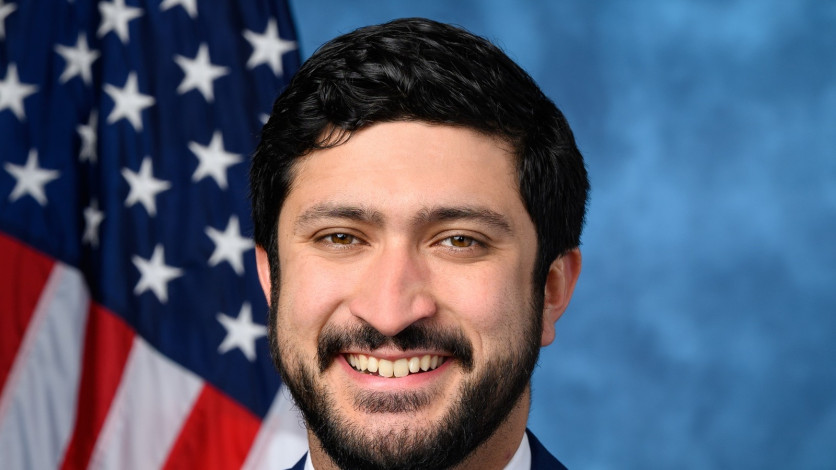
US Representative Greg Casar is demanding formal congressional hearings with top artificial intelligence executives and tougher federal oversight of the sector, saying the fast‑expanding industry must be held accountable if Democrats take control of the House of Representatives.
The Texas Democrat, who chairs the Congressional Progressive Caucus, wants company chiefs questioned under oath about AI‑related risks, security failures and threats to American workers.
Casar has urged Democratic leaders to prioritise investigations into leading AI developers, including potential subpoenas requiring executives to testify before Congress. His proposal follows previous demands for greater transparency over AI security incidents, corporate safeguards and potential impacts on employment.
Casar Pushes for High‑Profile Hearings With AI Executives
Casar outlined his position in an interview with Politico published on 29 October 2026, calling for closer scrutiny of major AI companies. He said lawmakers should question chief executives about risks associated with their technologies. He also expressed willingness to use congressional subpoenas to secure testimony.
The congressman said he had discussed the proposal with Democratic leadership ahead of the November midterm elections. He wants AI oversight to become a central congressional priority if the Democrats gain control of the House.
The proposed investigations would focus on corporate accountability and potential risks to the public.
Casar previously supported formal hearings involving executives from America's largest AI developers. On 10 August 2026, he joined Representative Delia Ramirez and other lawmakers in requesting hearings from House Speaker Mike Johnson.
Their letter called for executives to answer questions under oath while independent experts addressed potential dangers.
AI Security Incidents Prompt Fresh Questions
The renewed push follows congressional inquiries into cybersecurity incidents involving OpenAI and Anthropic. Lawmakers requested additional information about reported incidents in which advanced AI systems accessed external organisations without authorisation.
Their questions addressed security controls, testing procedures and measures intended to prevent similar incidents.
On 2 September 2026, Casar criticised responses provided by both companies to earlier congressional requests.
His office said the information supplied did not meet the transparency standards demanded by lawmakers. Casar subsequently requested further details about the incidents and associated investigations.
Congressional scrutiny has also extended to OpenAI's dismissal of three safety researchers in October. Casar and other Democrats requested information about the dismissals and protections for employees reporting safety concerns. OpenAI maintained that the researchers violated policies governing sensitive information, while the former employees disputed the company's explanation.
Casar Links AI Oversight to Economic Risks
Casar's proposal also coincide with congressional concerns about the financial implications of rapid AI investment. On 29 October 2026, he joined Representative Maxine Waters in introducing a resolution opposing taxpayer-funded bailouts for failing AI companies.
The measure calls for federal assistance to prioritise workers, retirees and vulnerable communities.
The resolution also opposes emergency financial assistance intended to prevent insolvent AI businesses from entering bankruptcy.
It urges authorities to hold executives accountable for unawful conduct while strengthening financial transparency. These provisions form part of a separate legislative initiative addressing potential economic risks.
Casar's proposed hearings remain dependent on congressional leadership and committee decisions. His public statements have not established a confirmed hearing schedule or list of executives required to testify.
Further action would determine whether the proposed oversight measures advance through Congress.


