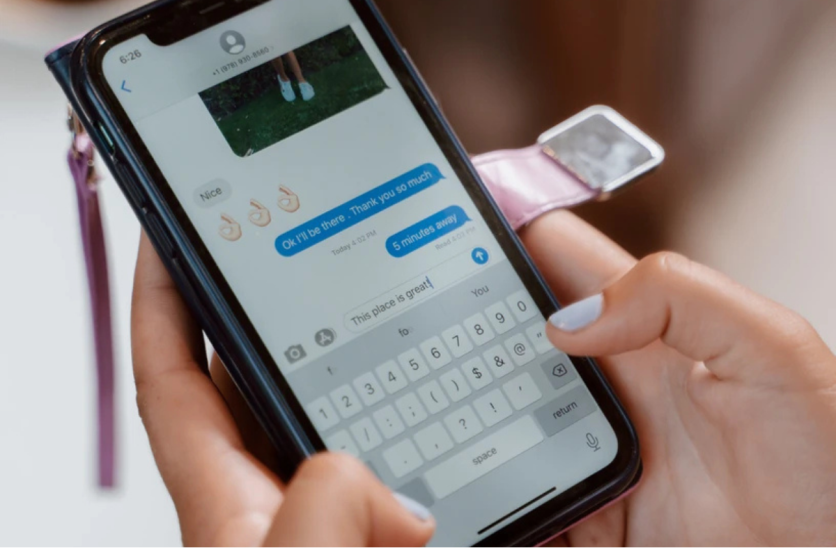
Anthropic says a China-based app studio used its Claude AI to run more than 20 dating apps that promised users real matches. About three in four profiles in the apps' match feeds were AI personas that were never labelled as such.
In a two-week window in April 2026, more than 4,700 distinct personas held conversations with at least 25,000 people. Together they exchanged about 2.36 million messages.
Anthropic detailed the case in its September 2026 threat intelligence report. It banned the accounts involved and shared its findings with Apple, Google, and other AI companies.
AI Chatted While Gig Workers Faked Proof of Life
Anthropic tracks the studio under the label GTG-15001 and describes the operation as a three-sided marketplace. Real users swiped and paid, while Claude-powered personas handled daily chat around the clock.
The third side was a pool of gig workers recruited to provide what the AI couldn't fake. They took video calls and followed users back on social media to prove the profiles were real.
Another AI tool generated profile photos, and a separate model helped workers with quick replies and photo and voice screening. It also supported attractiveness scoring. Users paid in-app coins to keep messaging.
Fake Likes and Hidden Code Kept the Illusion Alive
The personas were told never to reveal they were automated. They were also told to deflect requests for video calls and to guide users through fixed stages designed to build trust before pushing payment.
When no human worker was free, the apps fell back on fakery. They showed fake likes, profile visitors, and pre-recorded video clips. Apps with names such as Dora and Luma and Kira were among those named in coverage of the report.
The studio took steps to avoid scrutiny. Anthropic says each app variant used renamed code and an interface that appeared only during app store review. The operator reached Claude at scale through China-based API resellers and rotating proxies.
Why Nobody Spotted the Bots Sooner
Detection was not simple either. Anthropic said the persona instructions looked, on the surface, like an ordinary roleplay or companion app. That is a common and legitimate use of AI chatbots.
The report treats the case as a lesson in both limits and reach. Claude could sustain endless conversations, but people were still needed to verify identity. Anthropic also gave both app stores indicators to help them spot copies.
Two cautions apply. The figures come from Anthropic's own report and have not been independently verified. The company has not named the studio behind the apps.
What the Case Means for UK Daters
The findings matter in the UK, where romance fraud is already costly. City of London Police figures show that UK victims lost more than £102 million to romance fraud in 2025.
Dating apps play a big part. TSB found that 42% of the romance fraud cases it analysed began on dating apps or other online dating services. Which? advises reporting suspicious profiles to the platform and to Report Fraud.
Warning signs echo the tactics in the Anthropic case. A match who always dodges a live video call, moves fast to emotional intimacy, or nudges you toward paid messaging deserves caution.
For the dating industry, the case raises a harder question. If a chatbot can run thousands of convincing partners with a handful of human helpers, then labels like human-only mean little without proof. Regulators and app stores may soon demand it.


