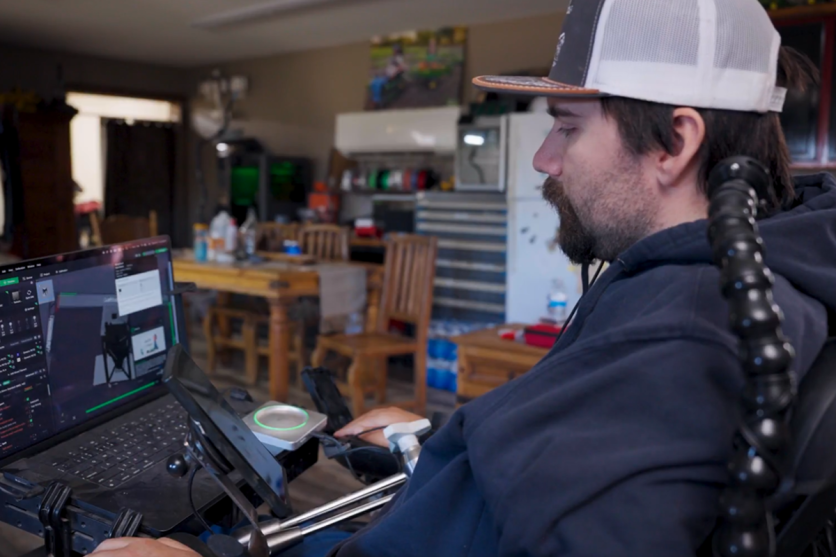
Elon Musk's Neuralink says it has received approval from the US Food and Drug Administration (FDA) to launch a clinical trial of its brain implant for people with severe paralysis.
The LINK Pivotal Study will assess whether patients with amyotrophic lateral sclerosis (ALS) can safely use the technology to operate digital devices and gain greater independence.
Announced on 25 November 2026, the US study is open for recruitment, according to Neuralink. The regulatory decision permits clinical testing, but the implant has not been approved for commercial use.
Neuralink Takes a Step Towards Commercial Approval
Neuralink describes LINK as the first pivotal trial of an implantable brain-computer interface (BCI) in the United States.
A pivotal study is intended to generate evidence that can support a future application to market a medical device.
BREAKING: Elon Musk’s Neuralink has received FDA approval to launch LINK, the first pivotal clinical trial for an implantable brain-computer interface in the United States https://t.co/Po3xDMwNlD
— Dima Zeniuk (@DimaZeniuk) November 25, 2026
The company says more than 30 people have received implants through its earlier feasibility studies in the US, Canada and the UK. Participants have collectively spent thousands of hours using the technology for activities including communication, studying and gaming.
The LINK study will investigate how effectively participants can use the implant in their daily lives. Researchers will also assess its safety and reliability over time at multiple clinical sites.
Neuralink did not identify the participating hospitals or disclose the planned number of participants in its announcement. A separate public FDA decision letter and a confirmed registry entry for the LINK study could not be independently located as of 27 November.
How Neuralink's Brain Chip Could Help ALS Patients
ALS is a progressive neurological disease that damages the nerve cells responsible for controlling voluntary muscle movements. As the condition advances, patients can lose the ability to speak, move their limbs and operate conventional computer controls.
Neuralink's N1 implant uses electrodes to detect activity in the part of the brain that controls movement. Software converts these signals into commands that allow users to move a cursor or select items on a screen.
Patients can learn to perform these actions by imagining movements of their hands. This could allow them to send messages, browse the internet and use computer applications without physically operating a mouse.
The technology is not intended to cure ALS or restore physical movement. Instead, it offers a potential means of maintaining access to digital tools as patients lose muscle function.
What Are the Risks of Neuralink's Brain Implant?
Installing the device requires brain surgery under general anaesthesia. Potential complications include infection, bleeding, seizures and brain swelling.
The implant could also malfunction, and removing it would involve further surgical risks. Some risks associated with prolonged use may not yet be known.
We’ve received FDA approval to launch LINK, the first pivotal trial for an implantable brain-computer interface in the US. This builds off of our work with 30 participants with Neuralink to date.Those with ALS may be eligible. To learn more: https://t.co/dWhb5N4GdR https://t.co/Vor7iXXCBA
— Neuralink (@neuralink) November 25, 2026
Neuralink's general device-control trial information outlines follow-up appointments over two years. However, its LINK announcement does not specify the study's exact performance targets or follow-up schedule.
When Could Neuralink's Brain Chip Become Available?
There is no confirmed date for the implant's commercial release. Clinical trial authorisation allows researchers to collect evidence, but it does not guarantee that regulators will approve a device for sale.
For adults living with ALS in the US, Neuralink is accepting expressions of interest through its patient registry.
Prospective participants must undergo screening to establish whether they are eligible, and registering an interest does not guarantee a place in the study.


