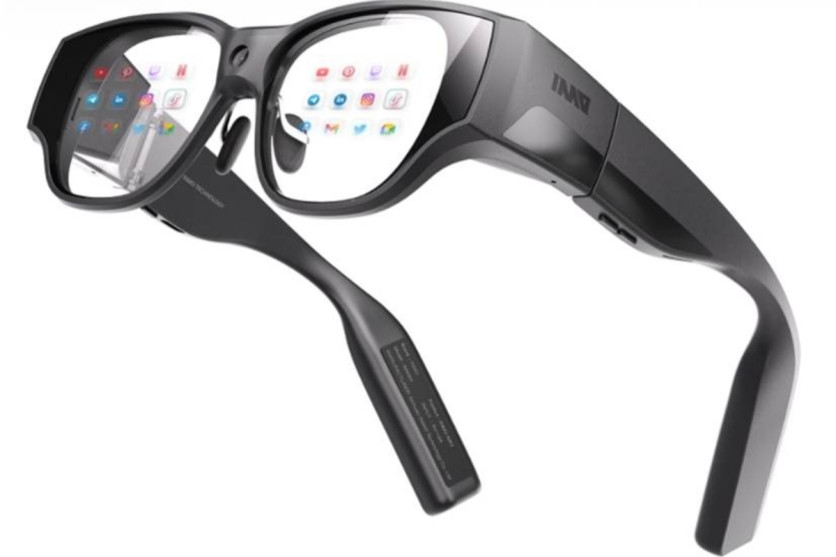
INMO has recalled its AIR3 AI smart glasses after 10 reports of overheating, including reports of burning sensations on the face and the left side of the ear. The US Consumer Product Safety Commission said the left temple can overheat during extended use, creating a burn hazard that poses a risk of 'serious injury or death'.
The recall was announced on 24 September 2026 and covers about 1,643 units sold in the United States, plus about 120 sold in Canada. Consumers have been told to stop using the glasses immediately and contact INMO for a free repair before wearing them again.
The affected AIR3 glasses are black and carry 'AIR3' and 'INMO' on a label on the right temple. They were sold online through Amazon, INMO's website and Kickstarter from December 2025 to August 2026 for $900 to $1,300, roughly £680 to £980 at 30 September exchange rates.
The CPSC's warning describes the potential severity of the burn hazard rather than documented deaths or serious injuries.
Health Canada said that, as of 17 September, INMO had received 10 incident reports in the United States but no reports of injury. No incidents or injuries had been reported to the company in Canada.
Overheating Complaints Surfaced Months Before Recall
Public concerns about excessive heat had appeared months before the September recall.
In a February review, YouTube reviewer Non-Tech Tech Guy said the glasses became too hot to keep on his face within minutes and that the heat could eventually hurt his ear. He also noted that the glasses came with a sleeve to cover the arm.
The Verge later highlighted the review while reporting that overheating concerns had been raised publicly months before the recall.
A separate consumer report in the CPSC's SaferProducts database described an incident dated 15 April.
The consumer-submitted report said part of the glasses reached 153°F, or 67.2°C, during normal operation and alleged that the heat caused a facial burn. The database categorises the incident as involving an injury for which first aid was received.
That entry does not necessarily contradict Health Canada's statement that INMO had received no US injury reports as of 17 September. The SaferProducts entry was submitted directly by a consumer to the CPSC, while Health Canada's figure refers to incidents reported to the company.
The report also expressed concern about the battery and electronics being positioned close to the user's face and eyes. Those statements were allegations made by the consumer and do not establish the technical cause of the overheating.
The temperature was also supplied by the consumer rather than recorded by the CPSC.
SaferProducts reports must contain minimum required information before publication, but the CPSC says it does not have the resources to verify the accuracy of every report submitted to the database and does not guarantee the accuracy of information supplied by people outside the agency.
Smart Glasses Raised More Than HK$10 Million
The AIR3 attracted significant attention before the recall.
INMO marketed the glasses on Kickstarter as an all-in-one augmented reality wearable featuring a 1080p display, 16MP camera, app ecosystem and other computing functions built into the frame.
The campaign attracted 1,394 backers who pledged HK$10,296,362, about £991,000 at 30 September exchange rates. That was more than 800 times its original HK$12,500 funding goal.
The CPSC says the recall concerns overheating in the left temple during extended use. The agency has not publicly identified the underlying technical cause in its recall notice.
Recall Remedy Requires Version 3.16 Update
Owners are not being instructed to return the glasses or exchange them for replacement units.
The CPSC classifies the remedy as a free repair and says INMO will assist affected owners with an online update to system version V3.16. Health Canada similarly instructs consumers to stop using the glasses immediately and update the firmware to version 3.16 before using them again.
Neither regulator's recall notice explains in detail how the update addresses the overheating problem. It would therefore be premature to conclude that software caused the overheating or that a specific underlying hardware or battery fault has been established.
For owners, the immediate advice is clear: stop using affected AIR3 smart glasses and complete the version 3.16 recall remedy before wearing them again.


