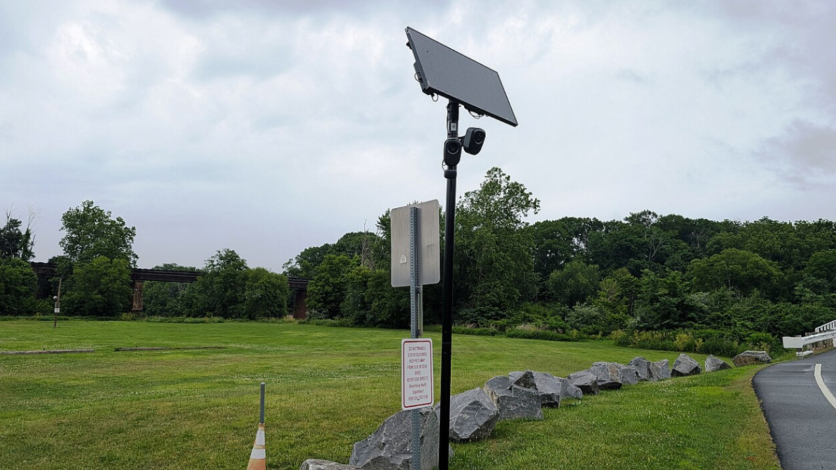
A July intelligence assessment advised police to watch for suspicious activity at a Costa Mesa gathering opposing Flock cameras despite finding no specific credible threats.
The Orange County Intelligence Assessment Center headed its assessment 'Potential for Disruption Identified, No Specific and Credible Threats Found', then recommended vigilance and real-time monitoring of publicly available information.
The six-page bulletin concerns 'Get the Flock Out of Costa Mesa', scheduled to coincide with the city council meeting at City Hall on 21 July 2026. A Costa Mesa Police Department officer is listed as the requestor. The document comes to light through 404 Media's 21 October report, which says the outlet obtained it through a records request.
The Bulletin Lists Turnout and Media Coverage Among Possible Risks
The assessment lists crowded council chambers, traffic and parking problems, and possible confrontations among its public-safety concerns. It also includes media attendance and livestreaming, noting that recordings of minor disputes could spread online and draw further attention.
Those planning considerations appear alongside hypothetical misconduct, including shouting from the audience, refusing to yield the podium after time limits and attempts to prevent proceedings from continuing. The bulletin also raises the possibility of physical altercations and intimidation. These are scenarios it asks recipients to consider, not incidents it records at the gathering.
The centre encourages recipients to report emerging threats or changes in attendance. It also recommends establishing an intelligence branch within the event's command structure and monitoring publicly available information in real time.
That advice extends beyond preparations for an identified threat. The document repeatedly states that it has found no credible threats directed towards the event, and separately reports none against the city officials it names.
Vandalism References Do Not Establish a Threat From Organisers
The bulletin's background includes social-media posts advocating damage to Flock cameras and an account of an earlier attack on cameras in the Atlanta area. It also discusses an upcoming national week of action against automated licence plate readers.
The assessment does not establish that the Costa Mesa organisers are connected to the cited vandalism. Its references to online opposition, calls for camera removal and advocacy of unlawful damage sit within the same account, but they do not demonstrate that people planning to attend the meeting intended to commit offences.
'City-hosted events (i.e., city council meetings) may be viewed by extremists as a desirable target.' That general warning appears alongside suggested signs of suspicious activity, including clothing inappropriate for the weather, questions about security procedures, unexplained loitering and unattended bags.
Elsewhere, the bulletin explicitly says there is no publicly available information indicating extremist involvement. Its discussion of possible extremist interest is therefore a precautionary scenario, not a finding that extremists planned to attend.
The Centre Says Monitoring Serves Safety Planning
The centre closes by acknowledging the rights exercised at public meetings. 'The OCIAC recognizes that Americans have constitutionally protected rights to assemble, speak, and petition the government.'
It says it reports on protected activity only for operational planning intended to safeguard demonstrators and the public. That is the justification contained in the July document, rather than a separate response to its October disclosure.
For this gathering, the assessment brings ordinary meeting activity, possible disorder and wider camera-vandalism concerns into one planning document. Its recommendations would give recipients a role in watching attendance changes and publicly available discussion even without an identified event-specific threat.
The document establishes what the centre advised, not what officers subsequently did. The supplied record does not show whether the proposed intelligence branch was created or how the monitoring recommendations were used at the Costa Mesa meeting.


