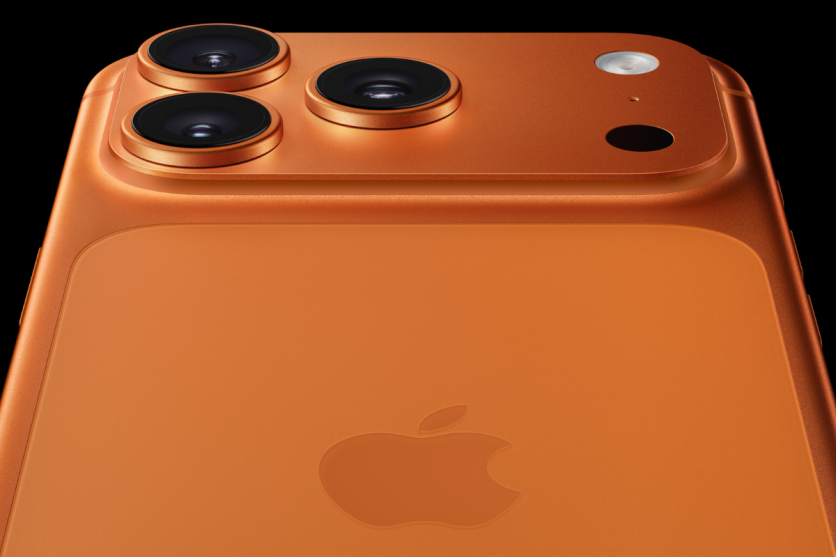
Apple's next iPhone generation could arrive with higher prices as it faces sharply higher memory costs, according to multiple reports. Analysts expect memory expenses for the 256GB iPhone 18 Pro in the third quarter of 2026 to be nearly 400% higher than they were a year earlier.
That increase could put pressure on Apple's hardware margins, although the company is reportedly considering ways to absorb part of the additional expense rather than passing the entire increase to customers.
Current projections say that prices for the new iPhone models could rise by around 10% to 20%, as Apple weighs higher production expenses against more cautious consumer spending.
Analysts further expect Apple to introduce the iPhone 18 Pro and Pro Max alongside its first foldable iPhone at the 9 September event, although Apple has not officially confirmed the rumours.
In fact, Apple has yet to confirm the final prices too, specifications or even the name of its foldable device, meaning the current figures remain industry estimates rather than official details.
Apple Faces Rising iPhone Production Costs
The pressure on Apple extends beyond the price of memory itself. TrendForce estimates that the bill of materials for the 256GB iPhone 18 Pro could be around 38% higher than that of its predecessor. Memory is expected to account for roughly 34% of the estimated bill of materials (BOM), compared with around 10% a year earlier.
That creates a difficult calculation for Apple. Cutting expenses elsewhere could help limit the effect, but reports say savings from negotiations with suppliers are unlikely to completely compensate for the higher hardware costs.
Apple could instead accept lower margins on the new models. Analysts expect the company to absorb some of the additional costs, allowing it to keep retail increases more moderate while seeking to protect shipment volumes.
The situation is also affecting Android manufacturers. Higher memory expenses are putting pressure on smartphone makers across different price categories, with cheaper devices facing particular difficulties because manufacturers have less room to absorb additional component costs.
The timing could make pricing decisions even more important. Reports also point to weaker economic conditions and more cautious consumer spending as reasons for Apple to avoid transferring the full increase in production expenses to buyers.
iPhone 18 Pro Upgrades and Foldable iPhone Plans
The iPhone 18 Pro models are expected to receive several internal and camera improvements. Reports say the upcoming range will use Apple's A20 Pro chip, built using TSMC's 2nm process. The move is expected to provide additional computing capability for on-device AI while improving power efficiency.
Apple is also reportedly changing the way components are packaged inside the phones. A move from InFO to WMCM could shorten signal paths and help control heat generated during demanding tasks.
The display technology is expected to receive an update as well. Analysts predict the use of LTPO+ panels, which could reduce power consumption while retaining the smooth performance associated with high refresh rates.
Photography could receive one of the more noticeable changes. The Pro models are tipped to introduce a mechanical variable aperture for the main camera, giving users and the camera system greater control over depth of field and light levels.
Battery capacity could also increase. Analysts expect improved use of internal space to allow larger batteries across the upcoming models, while the Pro Max could gain more endurance because its larger body provides additional room.
Apple's first foldable iPhone is expected to take a different approach. Reports say the device could use two rear cameras and a conventional capacitive fingerprint sensor as Apple balances a thin design with everyday usability.
The foldable could start at between $2,099 and $2,299 in the US, which works out at roughly £1,550 to £1,700 based on current exchange rates. Higher-end configurations could reportedly exceed $3,000, equivalent to around £2,200.
New reports also suggest a change in Apple's release strategy, with the Pro models and foldable arriving in the autumn while the standard iPhone 18 and other variants follow in the first quarter of 2027.


