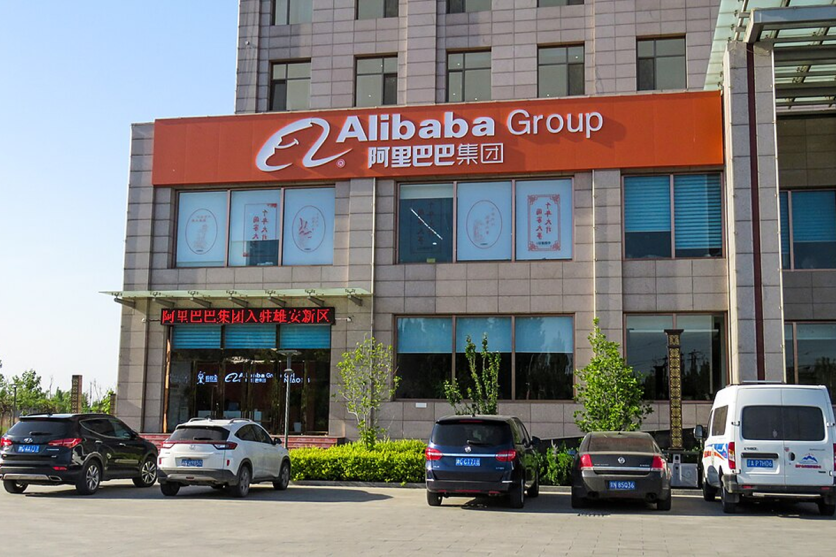
The United States has blacklisted a Singapore-based subsidiary of Chinese technology giant Alibaba over concerns that advanced artificial intelligence (AI) chips could reach unauthorised users. Alibaba has rejected the decision and says it will pursue legal avenues to defend its interests.
The US Commerce Department added Apex Enterprise Solutions (Singapore) Private Limited to its Entity List on 23 November, alongside six other companies.
The designation introduces sweeping export licensing requirements that could complicate the subsidiary's access to advanced computing technology.
Washington cited the risk of technology diversion, but its filing does not identify a specific export control violation committed by Apex.
Alibaba maintains that its subsidiary has never diverted advanced computing chips covered by US export restrictions.
Why Did the US Blacklist Alibaba's Subsidiary?
The seven newly listed companies are based in Singapore, Malaysia and Thailand. US officials consider them at significant risk of involvement in supplying advanced computing products for prohibited uses or to unauthorised recipients.
The group includes Megaspeed International, a Singapore-based cloud computing company with business ties to NVIDIA.
The Trump administration blacklisted a Singaporean subsidiary of Alibaba along with several entities affiliated with Megaspeed, the firm at the heart of a scandal that briefly cost Jensen Huang his job as Nvidia CEO. https://t.co/8MotK2t5nV
— Bloomberg (@business) November 24, 2026
US authorities opened an investigation into Megaspeed in 2024 over possible export control violations involving AI chips.
Apex has commercial arrangements involving computing capacity in Southeast Asia, including with Megaspeed.
A person familiar with the arrangements told Reuters that Apex had paid approximately $4.2 billion (£3.2 billion) in advance to Megaspeed and other companies to rent computing capacity.
The same person said advance payments were common in the data centre industry. Megaspeed has previously maintained that its operations comply with US export controls.
Alibaba Rejects the US Blacklisting
'Adding Apex Enterprise Solutions to the Entity List is erroneous because Apex has never diverted advanced computing chips subject to US export restrictions,' an Alibaba spokesperson said. The company indicated that it would pursue legal avenues to protect its rights and reputation.
The designation does not constitute a criminal conviction or establish that Apex illegally supplied NVIDIA chips to China. Alibaba's statement also did not announce the filing of a lawsuit.
What the Blacklist Means for Alibaba
The new restrictions require licences for exports, re-exports and transfers of items covered by US Export Administration Regulations when the listed companies are involved in relevant transactions. Applications will be assessed under a 'presumption of denial', meaning approval is unlikely.
The restrictions extend beyond NVIDIA's advanced graphics processing units to other goods, software and technology covered by the regulations.
However, the designation is not a blanket prohibition on all commercial dealings with Apex or a listing of Alibaba's entire corporate group.
Washington Targets Remote AI Computing Access
On 16 November, the US Bureau of Industry and Security announced separate regulations addressing remote access to advanced chips and servers.
The measures aim to prevent companies from bypassing export restrictions through computing arrangements involving data centres in third countries.
Cloud computing allows businesses to use advanced hardware remotely without purchasing or physically importing the equipment.
This gives AI developers access to computing resources that can be used to train and operate their models.
The latest restrictions could make it more difficult for Alibaba to secure computing capacity through affected overseas suppliers.
The extent of any disruption to its existing arrangements, AI development or financial performance remains unclear.


