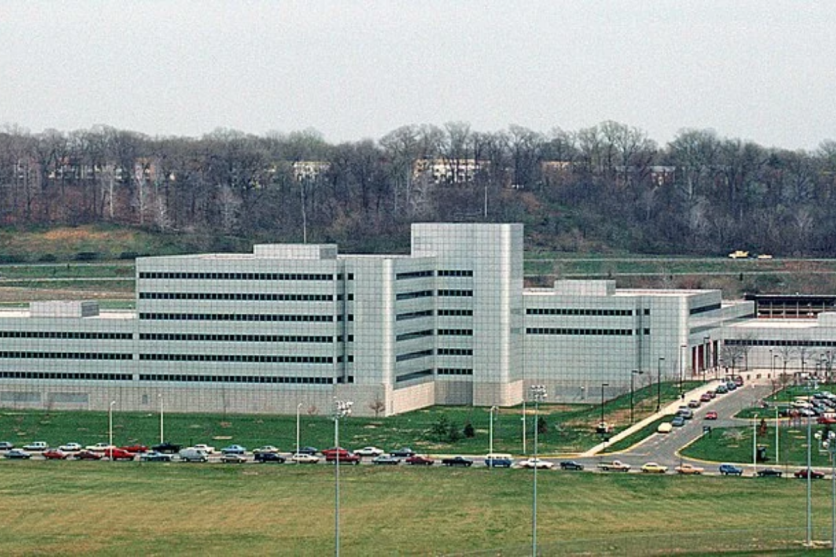
Hackers breached an unclassified computer system used by the US Central Intelligence Agency (CIA) and the Office of the Director of National Intelligence (ODNI), according to reports published on 24 November 2026.
Officials said classified information was unaffected, but cybersecurity experts warned that the intrusion could expose American intelligence priorities.
An ODNI official told CNN: 'There have been no disruptions to critical capabilities or classified systems.' The CIA declined to comment on the incident.
The identity of the attackers, their motives and the full extent of the breach remain unclear. A person familiar with the incident told the Associated Press that the issue had been resolved.
What Did the CIA Cyberattack Target?
The intrusion affected a system used for open-source intelligence (OSINT) analysis. The National Geospatial-Intelligence Agency, which specialises in imagery and geographical intelligence, was also reportedly affected, according to The New York Times.
Open-source intelligence relies on publicly and commercially available information rather than material obtained through secret intelligence operations. Analysts use news reports, social media posts, satellite imagery and commercial databases to monitor foreign governments, military activities and emerging threats.
Although much of this information is publicly accessible, how intelligence agencies collect and analyse it can reveal sensitive details. Even without classified documents, hackers could potentially discover which developments are attracting the attention of American intelligence officials.
Why Unclassified Intelligence Still Matters
Ben Bernstein, a manager of cybersecurity advisers at Huntress, warned that access to such systems could reveal the subjects American intelligence analysts are investigating. This could give adversaries valuable insights into US intelligence priorities.
'Calling this "unclassified" doesn't make it harmless, though,' Bernstein told Nextgov/FCW.
Aleksandr Yampolskiy, co-founder and chief executive of cybersecurity company SecurityScorecard, said the potential consequences would depend on the information exposed. Adversaries could discover what American intelligence agencies already know and where gaps in their knowledge exist.
However, there is no public confirmation that the hackers obtained details of specific intelligence investigations.
Was Artificial Intelligence Used in the CIA Cyberattack?
Nextgov/FCW reported that an artificial intelligence-powered hacking tool known as ARTEX may have been used in the breach. The software was reportedly developed by a Chinese cybersecurity engineer known as Autumn-27.
CNN separately reported that preliminary indications suggested the cyberattack might have originated in China. However, its sources could not establish whether the Chinese government was involved.
US authorities have not publicly confirmed ARTEX's involvement in the intrusion. Nor is there publicly established evidence that its reported developer participated in the attack.
US Government Faces Further Cybersecurity Concerns
The CIA and ODNI breach follows several cybersecurity incidents involving US government agencies. Officials recently acknowledged a hack involving the Federal Bureau of Investigation's National Crime Information Center, a database used by law enforcement agencies.
The US Department of Agriculture also took several applications offline following a security incident. The disruption affected financial tools supporting payments to farmers.
Meanwhile, the National Security Agency experienced an outage affecting its classified communications network. Director of National Intelligence Jay Clayton attributed the disruption to software patching rather than a cyberattack.
No evidence has been publicly disclosed establishing a connection between these incidents. Officials have yet to disclose precisely what information was exposed in the CIA and ODNI breach or whether any data was stolen.


