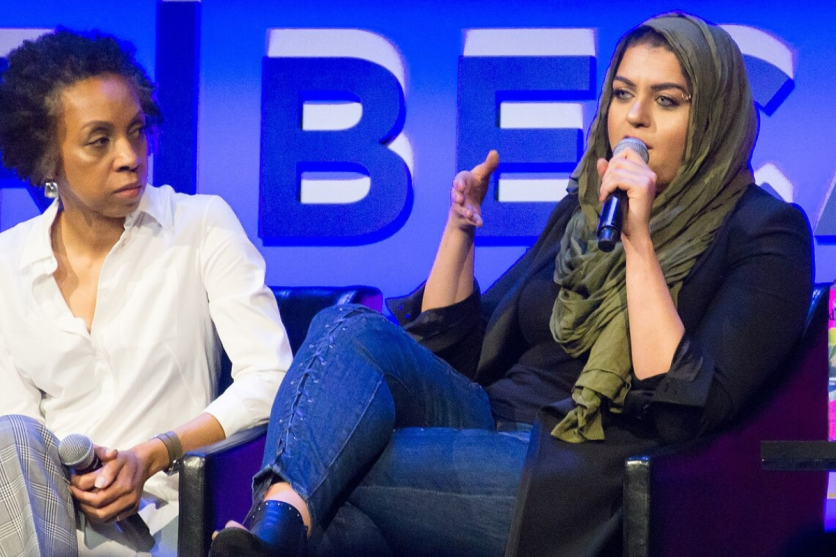
Amani Al-Khatahtbeh filed a federal lawsuit against xAI in November over edits she says its Grok chatbot made to a selfie from New York City Mayor Zohran Mamdani's inauguration. The Muslim Girl founder says the images sexualised her without consent and removed the hijab she had chosen to wear in the photo.
She filed the civil complaint in the US District Court for the Northern District of California. Muslim Girl reports that the suit also names X Corp. The complaint challenges how Grok was designed and marketed, as well as what allegedly happened after she reported the images.
The Edits Appeared in Replies to the Original Selfie
Al-Khatahtbeh posted the selfie on 1 January 2026. She wore a black hijab and a purple coat. Users replied with requests for Grok to change what she was wearing, including requests to remove her hijab.
According to Muslim Girl, she discovered the edits on 2 January. The publication reports that Grok posted the results directly in the thread. WIRED reviewed screenshots of some of the requests and resulting images.
'It felt the same as if someone had ripped off my headscarf in real life', Al-Khatahtbeh told WIRED. She said some edits also drew on stereotypes about Muslims. She reported the images to X and said she showed them to police officers who took a report.
The Complaint Challenges Grok's Design and X's Response
According to Muslim Girl's account of the complaint, X hid the images from Al-Khatahtbeh's view after she reported them but left them visible to others. The complaint also challenges what Grok could be asked to do before anyone had to report an image.
It alleges that xAI could have designed Grok to refuse requests to remove religious garments from images of real people. It also argues that the tool should have refused to create sexualised depictions of identifiable people without their consent.
The reported claims include defective design and marketing, negligence and intentional distribution of non-consensual sexual images. xAI did not immediately respond to WIRED's request for comment.
A Takedown and a Lawsuit Seek Different Remedies
When Al-Khatahtbeh reported the edits to X, she was asking the platform to stop people from seeing them there. Even if X had taken them down, removing the posts would not have compensated her for the harm she says they had already caused.
Her Grok lawsuit asks a court to decide whether the companies are legally responsible for that harm and should pay damages. WIRED reported that she is seeking up to $250,000 per alleged violation of the California Civil Code.
A separate proposal, the DEFIANCE Act, would give people targeted by non-consensual, sexually explicit AI deepfakes a federal right to sue those who create or share them. The Senate had passed the bill, but it was still awaiting House passage on 17 November.
Two days later, Paris Hilton argued in a post on X that taking images down was not enough. She called for a way for people targeted by deepfakes to hold those responsible to account.
Over 105,000 sexually explicit deepfakes of me have been found online. Removing them isn’t enough. Survivors deserve accountability, not just takedowns.
— Paris Hilton (@ParisHilton) November 18, 2026
I wrote for @Newsweek about my work with @LotiApp and why we need the DEFIANCE Act. ❤️🩹 https://t.co/d1QPEJF689
Al-Khatahtbeh's case does not depend on that proposal. It asks the court to apply existing law to the companies' alleged roles in making and distributing the images and handling her report.


