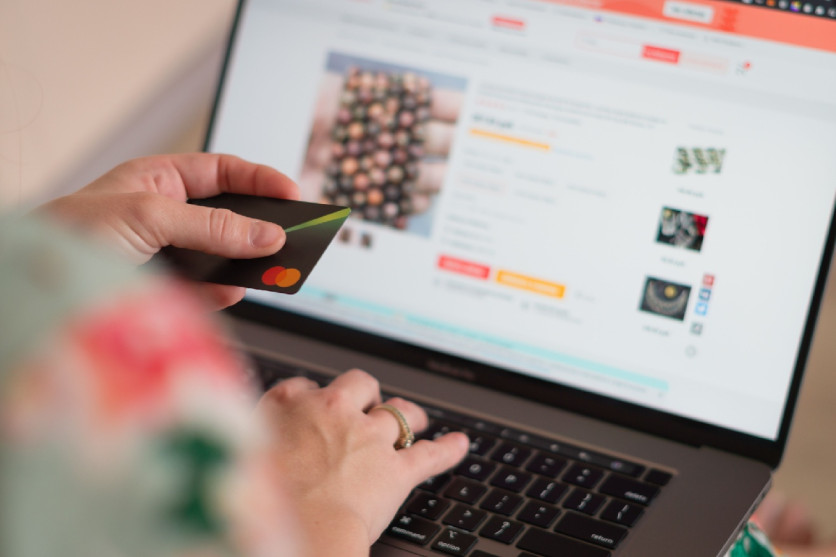
Retailers face mounting cybersecurity threats ahead of Black Friday, as AI enables cybercriminals to accelerate attacks while many smaller businesses remain uninsured. The post-Thanksgiving shopping rush has traditionally been a major revenue driver for retailers, but increasingly sophisticated cyberattacks are testing their security defences.
Ransomware attacks on retail, leisure and hospitality businesses are 50% more frequent in November than the monthly average, according to claims data from insurer CFC. Meanwhile, only 43% of small and medium-sized retailers have cyber insurance, compared with 81% of financial services firms and 71% of technology companies.
'Retailers spend months making sure their websites, stock and logistics can withstand the surge in customers. But Black Friday should be treated as a resilience exercise as much as a revenue opportunity,' said Lindsey Maher, CFC's head of global cyber development.
Why Peak Shopping Season Makes Retailers Vulnerable?
Black Friday and Cyber Monday mark one of the retail industry's busiest shopping periods, with deal-hungry consumers flocking to discounts and businesses rolling out major sales to attract customers.
PwC research suggests UK consumers are expected to spend an average of $307 (£235) each on Black Friday bargains, pushing total national spending to its highest level since 2022.
Retailers rarely take out additional cyber insurance to cover a single weekend, instead prioritising efforts to test and strengthen their security defences, according to David Molony, Aon's head of cyber and financial sponsors for Europe, the Middle East and Africa.
He added that this preparation is especially critical during peak shopping periods, when businesses rely heavily on technology to drive revenue.
'A cyber incident that interrupts the ability to trade during peak season can move very quickly from an operational issue to a material financial loss,' he said.
US retailer Target reported $202 million in cumulative net expenses following its 2013 data breach, which exposed payment card information for at least 40 million accounts during the holiday shopping season.
AI Becomes Both a Cybersecurity Threat and Defence
AI is equipping cybercriminals with tools to accelerate attacks during peak shopping periods, as Beazley Security's Francisco Donoso warns that the technology is speeding up breaches and exposing nearly six times as many software vulnerabilities as a year ago.
His colleague Sydonie Williams noted that retailers are particularly attractive targets due to their complex supply chains and extensive databases of stored payment card information.
Modern AI-powered tools enable cybercriminals to identify vulnerabilities in checkout pages and payment systems far more quickly than before.
AI can also strengthen retailers' defences by helping security teams spot suspicious activity more quickly, though smaller businesses may struggle to keep pace with evolving threats.
Shoppers can reduce their exposure by using virtual cards and sticking to trusted retail websites during Black Friday and Cyber Monday. For retailers, navigating the holiday shopping rush increasingly requires robust cybersecurity alongside competitive deals.
The growing threat also raises questions about the retail industry's preparedness for an increasingly automated cybercrime landscape. As digital shopping becomes more central to consumer spending, a single security failure could erode customer trust long after the seasonal discounts end.


