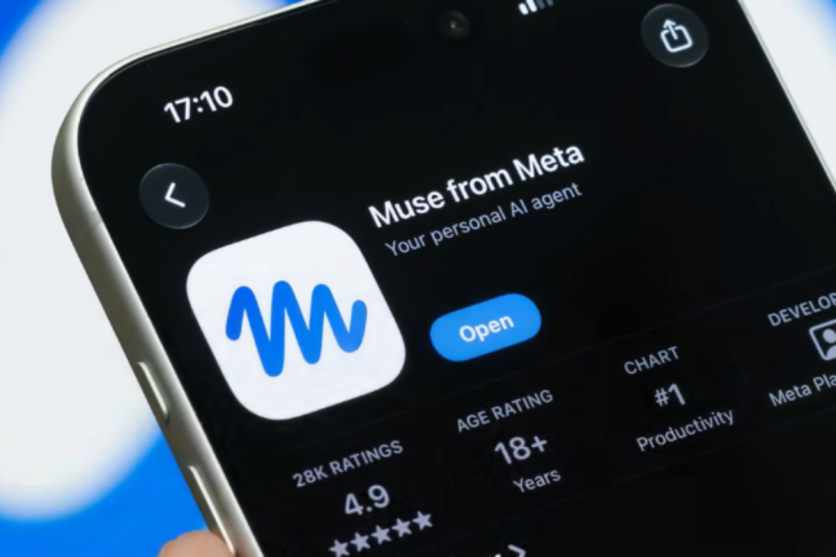
Meta may soon bring its AI assistant Muse to the UK, where it could do more than recommend purchases, as the company declined a financial regulator's request to test it before launch.
Meta's latest AI product, Muse, is a personal AI agent designed to help users navigate online services and carry out tasks such as shopping, making purchases, and seeking refunds.
The decision has drawn attention to how AI agents could affect consumer protection, particularly when they are given the ability to handle financial transactions and make decisions on users' behalf.
FCA Mulls Muse Testing in Controlled Environment
According to Colin Payne, the Financial Conduct Authority's (FCA) head of innovation, the regulator had proposed testing Muse through its 'regulatory sandbox,' a controlled environment where emerging financial technologies can be examined before being introduced to consumers.
'It's another force of attack, agents hitting the streets, most of them coming from the US. We've got a number of entrants into the market. We want to see what they're going to be doing in the market. I think it's just reasonable,' he explained.
The FCA wanted to understand how the AI agent would interact with customers, particularly in handling transactions and making decisions that could affect their financial interests.
Payne said the regulator was concerned about the potential consequences of AI agents acting autonomously or without user supervision, particularly when users do not fully understand how the technology works or what permissions they have granted.
In response, Meta spokesperson Matthew Pollard said the company had engaged constructively with the relevant regulatory authorities and would continue to do so.
AI Agents and the Question of Consumer Control
More than 10 million users in North America have reportedly set up Muse since its September launch, prompting UK regulators to prepare for a potentially significant rise in adoption.
Unlike conventional AI chatbots that only respond to questions and provide information, AI agents are designed to perform tasks on behalf of users.
Muse, in particular, is intended to make online activities more convenient by helping consumers find products, navigate retailer websites, and complete shopping-related tasks.
Several UK retailers, including Sainsbury's, Marks & Spencer, Ocado, Debenhams Group, and Currys, have reportedly been working with Meta to facilitate the AI agent's access to their platforms.
However, this level of access also raises concerns about how much control consumers are willing to cede to AI-automated systems.
The FCA is interested in understanding how AI agents handle payments and if their actions actually reflect users' intentions.
Misinterpreted instructions or actions taken without users' clear understanding could result in unintended purchases, unauthorised transactions, or other financial losses.
Personal Data Protection Remains a Challenge for AI Agents
The UK's Information Commissioner's Office (ICO), which oversees data protection, stressed that consumers must understand and control how Muse accesses and uses their personal data.
In a statement on 24 November, ICO Chief Executive Paul Arnold said privacy must be incorporated into consumer-facing AI products from the beginning.
'We have been clear with Meta about its responsibilities under data protection law prior to launch, particularly the requirement to ensure that users and the wider public can meaningfully understand and control how their personal data is used in the Muse product,' it read.
Meanwhile, the Competition and Markets Authority (CMA) said consumer protection laws apply to AI agents just as they do to other products and services.
Following discussions with the regulator, Meta revised its UK terms and conditions to clarify its responsibilities to consumers, including the requirement to exercise reasonable skill and care when providing Muse.
The CMA said it would continue to monitor Muse's rollout and would not hesitate to act if concerns emerged regarding consumer protection.
Giving AI agents greater control over everyday activities also means granting them access to information and decisions that consumers would otherwise manage themselves.
Convenience may drive AI adoption, but consumer trust will ultimately hinge on whether these systems can be held accountable for their decisions.


