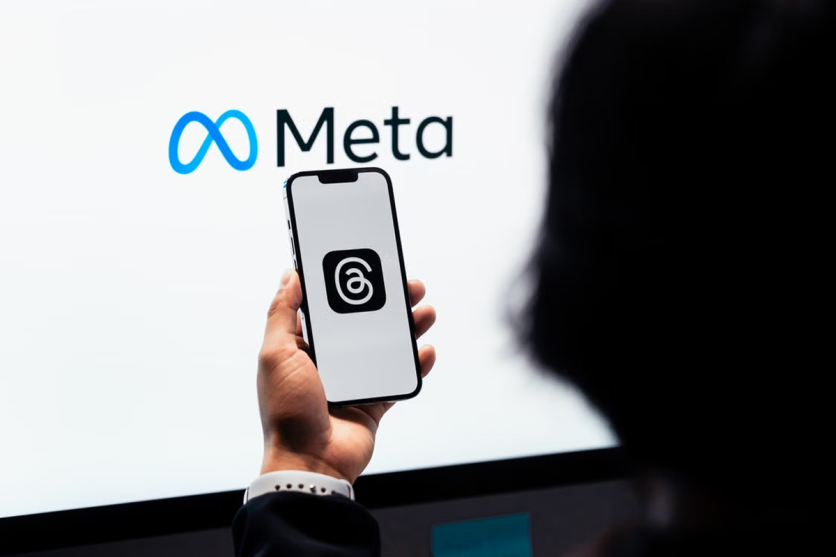
Facebook and Instagram users could struggle to recover wrongly removed posts as Meta expands its use of artificial intelligence (AI) for content moderation. Employees have warned that reported staffing cuts are making it harder to reach human reviewers.
In an investigation published on 25 November 2026, The Guardian reported concerns from Meta employees about automated moderation errors and difficulties escalating complex cases. Some employees said moderation teams had been substantially reduced.
Meta says its latest AI tests show fewer enforcement errors than human reviewers make on average. The company maintains that people will remain involved in critical moderation decisions, but it has not guaranteed human review for every appeal.
Why AI Moderation Could Complicate Appeals
Meta announced on 19 March that it would gradually introduce more advanced AI moderation systems across its apps. The company intends to reduce its dependence on external moderation contractors as the technology becomes more effective.
I had ALL of my Threads accounts disabled at the same time @Meta this is insane, you are losing people daily and folks that have accounts that are connected to valid @instagram accounts are just being disabled then deactivated, no HUMANS in the loop is a real problem with AI
— Robbie Holmes (RobbieTheGeek) (@RobbieTheGeek) November 21, 2026
Employees speaking anonymously to The Guardian raised concerns that automated systems struggle to interpret context, particularly in languages other than English. They warned that the speed of automated moderation could allow errors to affect more users.
Meta has also begun introducing an AI-powered support assistant on Facebook and Instagram to address account problems. The company says the technology can help users understand why content was removed and identify available appeal options.
However, automated assistance is not the same as having a person reconsider an incorrect decision. The available evidence does not establish how often users successfully obtain human review or how that might change.
Hundreds of Social Media Restrictions Documented
Digital rights organisation Repro Uncensored recorded 657 incidents across multiple online platforms and 44 countries between January and June 2026.
Of those, 514 involved Meta's platforms, accounting for approximately 78% of the group's dataset.
The research covers account suspensions, bans, visibility restrictions and other disruptions affecting online communities. It does not establish that all enforcement decisions were incorrect or that AI was responsible for each incident. Across the entire dataset, appeals were reported in 296 cases, with responses documented in 98.
The figures do not establish whether those responses came from human reviewers or whether users successfully recovered their accounts.
The consequences can extend beyond losing an Instagram photo or Facebook post. Restrictions can disrupt access to audiences, customers and income for independent creators, businesses and organisations that depend on social media.
Meta Defends AI Content Moderation
Meta told The Guardian that its latest tests showed AI made 13% fewer enforcement mistakes than human reviewers on average and identified 10% more genuine policy violations. These findings come from the company's own testing.
Meta says human experts will continue supervising its AI systems and contributing to consequential decisions, including appeals involving disabled accounts. It also says the transition will not change its Community Standards.
‘It’s been really a mess’: Meta insiders concerned over push to AI content moderation #AI Several employees say rapid speed at which algorithms work means mistakes can happen at greater scaleMeta employees have expressed concern at the company’s push t… https://t.co/Jl6gaMSODI
— Erik Hamburger (he/him) #StandWithUkraine 🏳️⚧️ (@AmbidexterMan) November 25, 2026
On 4 June, the independent Oversight Board recommended clearer explanations for account disablement and more effective appeals, with human review prioritised in difficult cases. The board upheld the account ban involved in that particular case.
The board announced further research on 1 October into AI content moderation, addressing risks such as bias and misinterpretation of language. Its research also examines how platforms can improve transparency and access to review.


