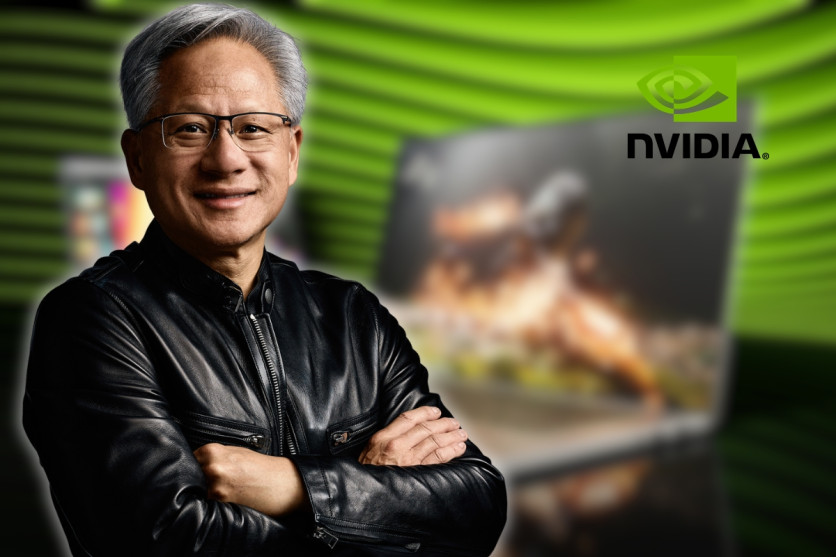
Jensen Huang has a theory about how artificial intelligence will save the planet. It involves making things worse first. The Nvidia CEO, whose graphics processing units power most of the world's large-scale AI systems, made the case in a recent appearance on 'The Ezra Klein Show'.
Huang argued that the world will have to lean harder on fossil fuels in the near term because there isn't enough clean energy available to sustain AI's growth. The payoff comes later when AI-driven efficiency transforms the broader economy, he said.
'In order to save you,' Huang said, 'they've got to hurt you first.'
The framing instantly drew parallels with the logic of Thanos, the Marvel supervillain who destroys half of all life in the universe on the premise that the surviving half will flourish.
Why Jensen Huang's AI Energy Argument Is More Than a Metaphor Problem
Huang's position rests on a specific diagnosis of the current energy landscape: renewable capacity is not scaling fast enough to meet the electricity demands that AI data centers are generating right now.
Until it does, the industry will draw on whatever power sources exist, including natural gas. He argued that slowing AI development in response to that reality would only delay the technological breakthroughs that could, in his view, eventually decarbonise the economy.
That argument places Huang in direct opposition to a growing chorus of critics who say the math does not work in his favour. Protesters in Pennsylvania, where a wave of new AI data center construction has accelerated, have argued that industry promises of long-term economic benefit ignore scientific warnings about the near-term climate consequences of expanding natural gas production.
Huang's Stand on AI Risk
On AI safety, Huang has been emphatic. 'Scaring people is unnecessary. It is irresponsible,' he said, according to CBS News, dismissing predictions that AI poses near-term extinction-level risks. He put the probability of a civilisation-ending AI event by 2030 at zero.
Huang did, however, draw one firm line. If an AI lab cannot contain its experiments and believes they will cause harm, he said, 'We have to shut the labs down.'
That warning coexists with his rejection of calls for any slowdown in development pace, opposing the views of Anthropic Chief Executive Dario Amodei and OpenAI Chief Executive Sam Altman, both of whom have at various points argued for more deliberate pacing.
Huang's view is that the industry should develop technology as quickly as possible while ensuring that unsafe products are not released. How those two objectives interact in practice is a question the industry has not resolved.


