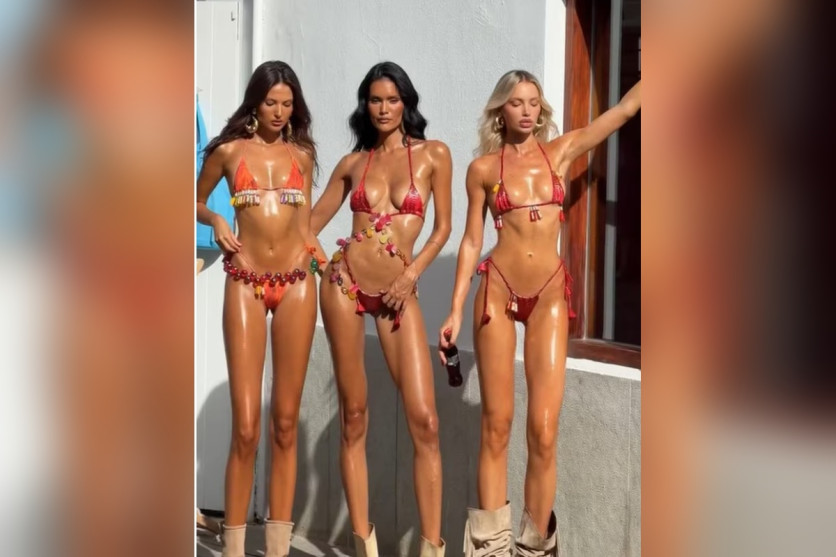
Fashion and swimwear brand Aurela Hoxha has been accused of using artificial intelligence (AI) or digital filters to make models' waists smaller and legs longer in promotional videos. The allegations emerged after fitness coach Jackson Johnson highlighted apparent changes in the models' body proportions in an Instagram video that attracted more than 1.2 million views.
Johnson called on the brand to remove the footage and address the alleged alterations, while social media users questioned the models' appearances. An AI expert who examined the footage identified possible signs of digital manipulation but could not confirm whether artificial intelligence was used.
Fitness Coach Questions Models' Body Proportions
Johnson shared a video examining promotional footage published by Aurela Hoxha, a women's clothing and swimwear label with hundreds of thousands of Instagram followers. He claimed the brand had used waist-slimming and leg-lengthening filters to change the models' appearances. The fitness coach pointed to sections of the footage where the proportions appeared to shift.
In one segment, Johnson enlarged the footage to highlight what he described as distortion around a model's stomach. He alleged that the alterations were intended to make the promotional video attract more attention online. He also questioned the effect of such imagery on young women who compare their appearances with fashion models.
Johnson urged Aurela Hoxha to remove the video, apologise to its audience and take responsibility for the alleged edits. Several Instagram users expressed similar concerns in the comments. Others suggested the models appeared digitally generated, although those observations did not establish whether AI was involved.
AI Expert Identifies Possible Signs of Digital Editing
Dr Armin Ashenberg, an AI and legal expert at Western Sydney University, examined the footage and identified a moment when a model's body shape appeared to change. He described the movement as resembling a digital glitch. However, Ashenberg said he could not definitively establish whether artificial intelligence had been used.
Ashenberg explained that viewers examining potentially altered videos can look for inconsistencies in body outlines, backgrounds and textures. Other indicators include changes in shadows or reflections that do not correspond with a subject's movements. He recommended reviewing suspicious footage multiple times to identify these details.
The expert also acknowledged that advances in video manipulation make edited content increasingly difficult to identify visually. According to Ashenberg, viewers may not always be able to distinguish authentic footage from digitally modified material. His assessment did not confirm which editing tools, if any, Aurela Hoxha used.
Expert Raises Concerns About Altered Fashion Advertising
Ashenberg said digitally altered promotional images could influence how viewers perceive their own bodies. He explained that repeated exposure to modified body proportions may reinforce unrealistic beauty standards and contribute to body dissatisfaction. He identified younger audiences as particularly susceptible to these effects.
The expert also discussed how altered promotional footage could affect consumer purchasing decisions. He said modifications that misrepresent a garment's fit or appearance may give shoppers inaccurate expectations of the product. Ashenberg called for greater transparency from brands using digital editing technologies in advertising.
News.com.au contacted Aurela Hoxha for comment regarding the allegations. The company had not responded when the report was published. No independent technical analysis confirming the use of AI in the promotional footage was reported.


