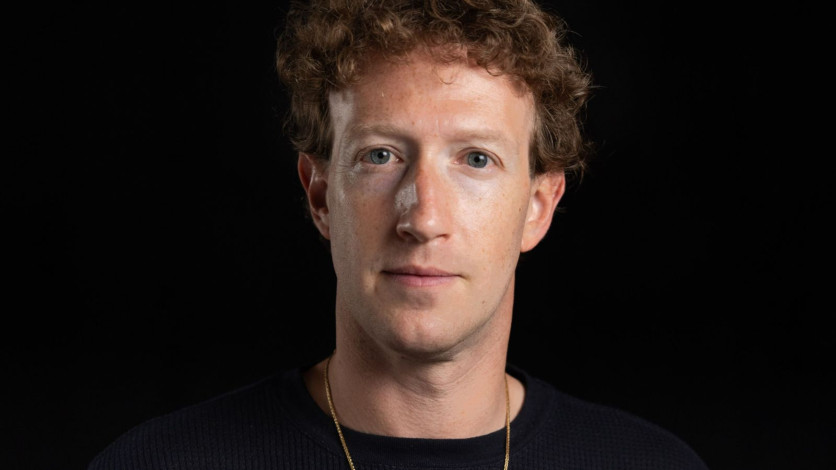
Mark Zuckerberg has become the target of protests in Brazil, where demonstrators are accusing Meta of unfairly restricting political content ahead of the country's presidential run-off election.
On 19 October, activists gathered outside the company's offices in São Paulo, wearing masks and carrying images that portrayed the Meta chief executive with devil horns. The demonstration centred on allegations that Facebook, Instagram and WhatsApp had treated political content unevenly during a closely contested election.
Protesters accused Meta of limiting content associated with President Luiz Inácio Lula da Silva while giving an advantage to his challenger, Flávio Bolsonaro.
Meta has denied deliberately favouring either candidate, attributing the reported problems to technical issues. The dispute has reached Brazil's electoral authorities, putting the company's political moderation decisions under scrutiny ahead of the vote on 25 October.
Why Brazil's Electoral Court Ordered Meta To Treat Candidates Equally
The dispute centres on reports of restrictions affecting Lula's campaign accounts, recommendations directing users towards Bolsonaro-related content, and problems with Meta's artificial intelligence tools.
Lula's campaign filed a complaint with Brazil's Superior Electoral Court (TSE), arguing that the company's systems had disadvantaged its political content. According to the Associated Press, the allegations included restrictions on campaign posts and recommendations that directed users towards Bolsonaro's Instagram and WhatsApp channels.
Meta attributed several reported problems to technical issues. The company said a global Instagram disruption affected Reels view counts across more than 100 countries, while content distribution continued normally.
Activists protest against the US government and Meta's CEO Mark Zuckerberg outside Meta’s office in Sao Paulo after Folha de S.Paulo newspaper reported that Meta employees had internally acknowledged that restrictions had hampered the accounts of Brazilian President Luiz Inacio… pic.twitter.com/ze4LbfIZsg
— Rere Anna (@_xwithrere) October 20, 2026
A separate problem temporarily affected the creation of advertisements from existing Instagram posts. Meta also acknowledged a loophole in its AI image-generation system that briefly prevented some users from creating images of Lula while allowing similar requests involving Bolsonaro for an additional day.
However, reporting by Brazilian newspaper Folha de S.Paulo, based on internal company messages, raised questions about these explanations. The newspaper reported that Meta employees had acknowledged restrictions affecting Lula's Instagram accounts and recommendations involving Bolsonaro's profile and WhatsApp channel.
The reports did not, by themselves, establish that the company had deliberately attempted to influence the election.
On 16 October, the TSE upheld an order requiring Meta to treat the two presidential campaigns equally. The ruling prohibited the company from artificially reducing the reach of either candidate's political content and addressed restrictions on recommendations, search results and engagement metrics.
On 19 October, the judge overseeing the case gave Meta 24 hours to demonstrate that it had complied, saying its earlier response had not adequately established that it had done so. The order also required equal treatment by Meta AI when generating election-related content. Folha de S.Paulo reported on the court's decision.
Manifestación hoy delante de la sede de Meta (Facebook, Instagram, WhatsApp) en Brasil por injerencia en las elecciones a favor del ultraderechista Bolsonaro y censurando a cuentas de Lula. pic.twitter.com/XJyzIT5mzA
— Fonsi Loaiza (@FonsiLoaiza) October 20, 2026
Meta subsequently told the court that it had implemented measures to comply with the directive. According to Reuters, the company submitted details of 17 initiatives intended to ensure equal treatment. It also introduced human review of automatic restrictions affecting presidential campaign advertising accounts within two hours.
Meta maintained that the measures had been implemented and that its systems treated both campaigns equally. The company's response, however, was its own account of compliance rather than an independent finding that every issue had been resolved.
The distinction matters because technical errors and deliberate political interference are different allegations. Establishing whether a platform malfunctioned, whether its systems treated candidates differently and whether any difference was intentional requires evidence beyond the claims made by either campaign.
What the Meta Protest Means for Social Media and Elections
The demonstration also raised questions about who should hold powerful technology companies accountable when their services become part of an election campaign.
Meta controls several widely used communication platforms, giving its content moderation and recommendation decisions potential consequences for political organisations seeking to reach voters.
According to Spanish news agency EFE, around 200 people attended the São Paulo demonstration, organised by the Não Se Meta platform. Protesters carried signs criticising the company and demanding that it stay out of Brazil's election.
They also sought an explanation of the alleged restrictions and greater transparency about how political content is handled.
Brazilian newspaper Folha de S.Paulo reported that organisers initially faced difficulties delivering their letter of demands, although two representatives were later allowed into the building's garage. They declined to hand over the document in those circumstances and said they would submit it digitally.
Both presidential campaigns have raised concerns about the treatment of political content on Meta's platforms, although their complaints do not establish that the same problems affected each side to the same extent.
The court's order reflects the need to apply electoral rules consistently, regardless of which candidate benefits from a particular restriction or recommendation.
The case also highlights the challenge facing electoral authorities as they seek to enforce rules governing online political content while protecting freedom of expression. Platforms must apply their published rules consistently, while regulators need evidence to distinguish legitimate moderation from unjustified restrictions on political speech.
The immediate question is whether Meta's safeguards will satisfy the electoral court's requirements. The company says it has taken the necessary steps, but the dispute illustrates how difficult it can be to assess the influence of automated systems during an election campaign.
For Zuckerberg, the devil masks are a striking image of public frustration. For Brazil, the underlying issue is how voters, candidates and regulators can establish whether the platforms shaping political debate are applying their rules consistently.


