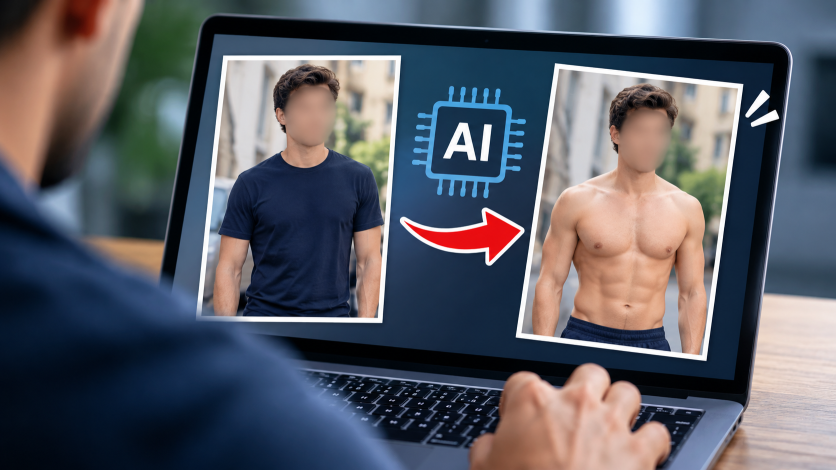
Some accounts on X are using artificial intelligence to digitally remove clothing from male celebrities in genuine paparazzi photographs, then republishing the manipulated images as authentic pictures to attract clicks and attention.
British actor Callum Turner, who is married to pop star Dua Lipa, is among the frequent targets. Several AI-altered photographs show him walking alongside Lipa on the streets of New York, apparently shirtless, while the singer remains fully clothed.
The original paparazzi photographs show Turner wearing clothes. Rather than creating entirely fabricated celebrity sightings, the accounts are taking real images and using AI to introduce changes that never happened.
The practice was highlighted in a report by Futurism after writer Sarah Hagi flagged the trend. The report identified several celebrities whose photographs had been manipulated, including Turner, Harry Styles and Noah Schnapp.
theres a new thing where accounts will manipulate already existing photos of male celebs and turn them shirtless and everyone falls for it bc enough of the real image isn’t AI https://t.co/mNWhVFzra9 pic.twitter.com/QoP7VE26fp
— sarah hagi (@KindaHagi) October 26, 2026
Callum Turner and Dua Lipa Among the Targets
One account, UKViewTIme, posted several altered photographs of Turner and Lipa together. In the manipulated versions, Turner appears shirtless, despite being fully clothed in the original images.
The UKViewTIme account appeared to have been suspended on X at the time of writing. Four posts previously published by the account are among the links identified during this investigation. However, there is no confirmation that the suspension was connected to the manipulated celebrity photographs.
Another account, BiTheWay, shared an altered image showing actor Noah Schnapp and actor Sheridan Townsley walking together, both apparently shirtless.
Noah Schnapp spotted left the gym with West End star Sheridan Townsley, then dug into a Nando's bag on the walk home in London 😍🏳️🌈 pic.twitter.com/wti9IBuyFA
— BiTheWay (@BiTheWayUK) October 16, 2026
The original paparazzi photographs show the two men wearing shirts and jackets.
Harry Styles' Tattoos Add to the Illusion
Turner is not the only celebrity whose photographs have been manipulated. The account UKViewTIme also shared AI-altered topless images of Harry Styles, preserving the singer's recognisable tattoos.
Retaining familiar details such as tattoos may help make an altered photograph appear more convincing, even when the subject's clothing has been digitally removed.
Knox Jolie Pitt out and about, no shirt needed... pic.twitter.com/D3KTQJvL6g
— 𝗕𝗲𝗲𝘄𝗮𝗿𝘁𝘇 (@Mosesedosa01) October 26, 2026
Another repeat target was Knox Jolie-Pitt, the son of Angelina Jolie and Brad Pitt. Futurism also identified a manipulated photograph of Pitt. The original image showed him wearing a yellow suit, but the altered version depicted him in a black sleeveless shirt, with his arms made to look artificially more muscular.
AI Manipulation Makes Fake Images Harder to Spot
The use of genuine paparazzi photographs as the starting point is central to the tactic. Because much of each image remains real, the manipulated details may not be immediately obvious to someone scrolling through social media.
The apparent aim is to attract attention and interactions on X, formerly Twitter. Rather than producing entirely fictional celebrity photographs, the accounts take existing images, make provocative changes using AI and publish the results as though they show real events.
X's Non-Consensual Intimate Content policy prohibits users from creating, manipulating or sharing content that sexualises or exposes an identifiable real adult without explicit consent.
The policy specifically covers AI-generated and digitally manipulated material, including sexually suggestive content shared without consent or in a harmful context. However, the available reporting does not establish whether X determined that the photographs identified in the report breached its rules.
The practice raises concerns about consent and the misuse of AI image-generation tools. The Futurism report described the alterations as likely nonconsensual, although it did not provide confirmation from the celebrities involved or their representatives about whether permission had been given.
The trend also highlights how genuine photographs can be manipulated to create false impressions of real events. Because much of the original image remains unchanged, social media users may find it harder to distinguish authentic celebrity photographs from those containing AI-generated alterations.


