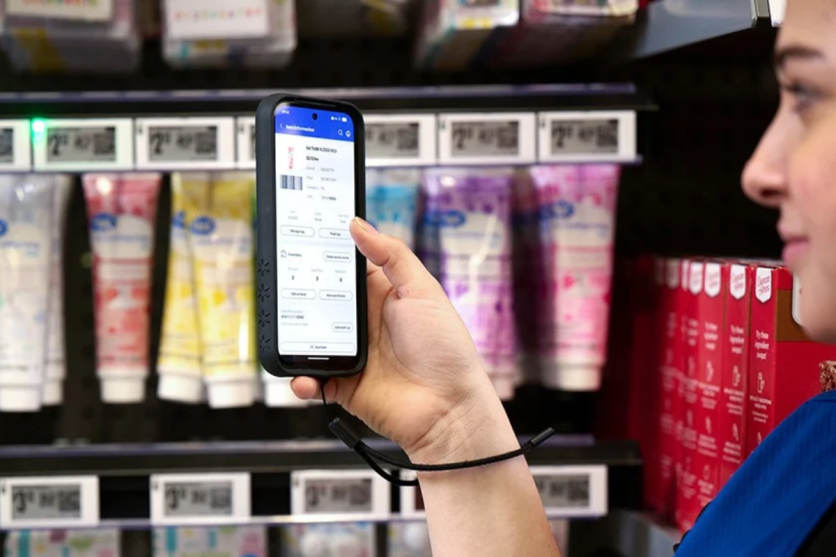
Walmart CEO John Furner has promised that the retailer will not use customers' personal information to set different prices as it expands the use of digital shelf labels across its US stores.
The pledge comes as some shoppers, consumer advocates and lawmakers raise concerns about the potential for digital pricing technology to enable faster price changes.
Digital Price Tags and Privacy
In a statement posted on Walmart's corporate website, Furner said the retailer does not set different prices based on who a customer is or the time of day, and will not do so in future. He specifically said a customer's income, shopping history, urgency or what Walmart thinks they could pay will not change the price.
Furner, president and CEO of the Bentonville, Arkansas-based retailer, wrote Friday, 'We don't set different prices based on who you are or the time of day, and we won't.' He added, 'Whether you're buying groceries or electronics on a hot afternoon or in a sudden rush for an item, it's never a reason to charge you more.'
🚨 WALMART CAUGHT CHANGING PRICES IN REAL TIME - WHILE A CUSTOMER IS SHOPPING
— HustleBitch (@HustleBitch_) January 5, 2026
A man filming inside Walmart says he watched a digital price tag change right in front of him as he walked up to buy a cup.
"I've never been in a store and watched the price go up right in front of… pic.twitter.com/C3zAYZwg9x
The statement comes as digital shelf labels become more widespread across US supermarkets. The electronic displays allow stores to update prices from a central computer instead of requiring workers to replace paper shelf tags manually.
Why Walmart Is Addressing Personalised Pricing Fears
Concerns have been growing among some shoppers, consumer advocates and lawmakers over the rollout of digital shelf labels by Walmart and other retailers. The technology allows stores to change prices instantly from a central computer, raising questions about whether prices could eventually be tailored to individual customers.
Walmart says its digital shelf labels are not used to personalise prices. The company says the labels simply display centrally set prices and that the same shelf price is shown to all customers.
Furner also pointed out that Walmart is holding its artificial intelligence shopping assistant, Sparky, to the same standard, saying the company will not use information shared with the AI tool to raise a customer's price or hide lower-priced options that meet their needs. He explained that such methods go against the firm's Every Day Low Prices business model.
'When you engage with Sparky, that's an invitation to serve you better, not to use your personal information to set a personalized price. We've never used the relationships our associates have with customers to charge more, and we won't do that with AI,' the top executive assured.
The Future of Retail Technology
Furner also made clear that Walmart's pledge does not mean prices will never change. He noted that the corporation reduces prices when savings can be shared with customers and occasionally raises them because products cost more to purchase or transport.
Back in March, Walmart revealed that 2,300 Walmart US locations already utilize digital shelves, and it anticipates the technology will be installed chain-wide within the next year.
Walmart executives have frequently explained that electronic shelf labels help the company maintain consistent pricing and match the amounts charged at checkout. They also noted that replacing paper tags saves staff time and lowers labour expenses.
Walmart and other stores are moving to electronic pricing tags
— Dangerous Thoughts (@DangerousThinkg) April 22, 2026
Digital price tags allow stores to change prices at will, this can be done to have 'peak' pricing when the store is busy
These can also trigger to raise or lower depending on who is shopping in addition to when pic.twitter.com/QbYgD9Y1c9
The company says digital shelf labels are intended to make displayed prices more accurate and consistent, rather than determine what individual customers pay.
The wider issue of personalised pricing is also attracting regulatory scrutiny. In August, the Federal Trade Commission proposed an enforcement policy statement warning that personalised pricing could violate consumer protection laws in certain circumstances.
The FTC said it does not have the legal authority to ban personalised pricing in all circumstances, but said businesses should clearly and conspicuously disclose when prices are personalised, the basis for that personalisation and the types of data used when consumers would reasonably expect prices not to vary based on their personal information.
The FTC subsequently extended the public-comment deadline on the proposed policy statement to 25 September 2026.


