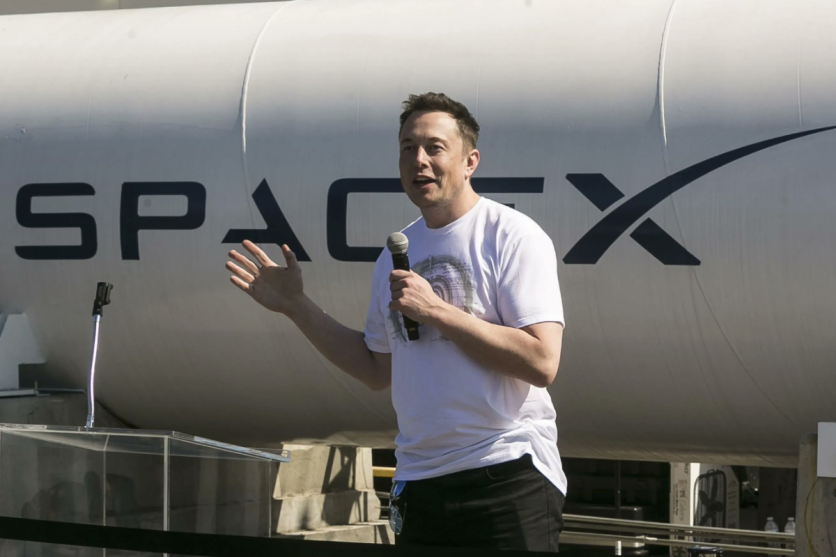
Elon Musk and SpaceX have pledged two shares in the space company for every child in the United States, in a giveaway valued at nearly $18 billion (£13.73 billion).
SpaceX says its contribution will go to currently active Trump Accounts, although it remains unclear how many children will ultimately benefit from the wider pledge.
For context, Musk had already promised one SpaceX share to every American child next year. His latest announcement doubles that proposed gift, but the two contributions have different timetables and may not follow identical distribution arrangements.
What Have SpaceX and Elon Musk Promised?
In a post on X, Musk said every child in the US would receive two shares, one from SpaceX and one from him.
SpaceX's own announcement on 25 November was narrower, committing one newly issued Class A common share to every currently active Trump Account and saying Musk would personally match the number donated by the company.
SpaceX said its shares would be transferred next month, December 2026. Musk's personal contribution is expected later, after his shareholding lock-up expires in June 2027. Neither transfer should be described as completed.
The distinction over accounts matters. The White House said in October that almost 70 million Trump Accounts had been opened, while the number of Americans under 18 was estimated at approximately 72 million.
🚨 ELON JUST DOUBLED HIS SPACEX GIFT TO EVERY KID IN AMERICA.
— Josh (@CryptoWorldJosh) November 26, 2026
Every child in the US will now get two SpaceX shares, one from the company and one from Elon personally. Last month he promised just one.
At $127.5 a share and around 72 million kids under 18, that's roughly $18.4… pic.twitter.com/26OIvIdL6D
Those figures do not establish how many children will receive shares, particularly because SpaceX specified currently active accounts rather than every child.
Treasury and IRS regulations allow eligible children to receive Trump Accounts automatically, but impose conditions on stock donations. Shares must meet the definition of qualified stock and receive the required Treasury approval.
Accepted contributions are generally subject to a five-year holding requirement or until the beneficiary's growth period ends, whichever comes first. SpaceX has not clarified whether its Class A shares meet these requirements.
SpaceX's own release warns that its intended future contributions are subject to risks and uncertainties, including third-party and government approvals. That caveat means the pledge should not be treated as a completed or unconditional transfer.
Why Is the SpaceX Giveaway Worth Nearly $18 Billion, and What Must Parents Do?
SpaceX shares closed at $127.44 (£97.22) on 25 November, putting the proposed giveaway at nearly $18 billion (£13.73 billion) at that price. This is an estimate of the shares' value, not cash being paid to families, and the final total will depend on the number of eligible recipients and the value of the shares when they are transferred.
Parents may need to ensure their children have an eligible Trump Account to benefit from the pledge.
Treasury regulations provide for automatic account creation for eligible children, but SpaceX has specified that its contribution will go to currently active accounts, making account status an important consideration for families.
Musk's personal contribution would come from his existing holdings. The transfer is expected after his shareholding lock-up expires in June 2027, rather than alongside the company's planned December contribution.
'Giving shares, which are stakes in the future economy, directly to the people is the way,' Musk wrote in an earlier post. Christopher Brankin, a global markets adviser at Mitrade Group, said the giveaway could create a large, long-term retail shareholder base and introduce younger people to financial markets.
The pledge follows a separate commitment from SpaceX President Gwynne Shotwell and her husband, who pledged shares to more than two million children covered by the Trump initiative in October.
As of 26 November 2026, questions remain over whether the proposed donations can meet the programme's requirements, whether parents need to take further action and how many children will ultimately qualify.


