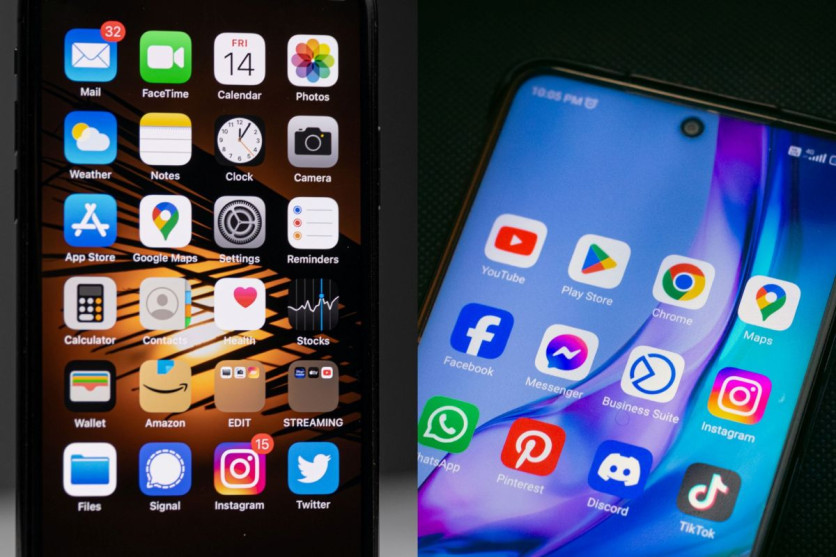
Choosing between an iPhone and an Android phone has never been as difficult as it is in 2026. Both platforms have matured to the point where everyday tasks such as messaging, photography, gaming and mobile payments are excellent regardless of which you choose. The real differences now come down to the experience each ecosystem offers, how long your phone will remain supported and which features matter most to your daily routine.
Apple's latest iPhone range continues to attract users who value simplicity, long software support and seamless integration with Macs, iPads and Apple Watches. Android manufacturers, led by Samsung and Google, continue to push hardware forward with larger batteries, faster charging, more versatile cameras and greater customisation.
Whether you are spending well over £1,000 on a flagship or looking for a reliable phone for half that price, understanding where each platform excels can help you avoid an expensive mistake. Here is how the two sides compare in 2026.
Flagship Battle: Ecosystem, Cameras and Performance
At the premium end of the market, the contest is largely between Apple's iPhone 17 Pro Max, Samsung's Galaxy S26 Ultra and Google's Pixel 11 Pro XL. The iPhone remains the benchmark for users already invested in Apple's ecosystem, while Samsung and Google continue to refine Android with more powerful hardware and AI-powered features.
The iPhone 17 Pro Max combines Apple's A19 Pro processor with a 6.9-inch Super Retina XDR OLED display featuring ProMotion technology, a triple 48MP camera system and storage options ranging from 256GB to 1TB.
Samsung's Galaxy S26 Ultra answers with a 6.9-inch Dynamic AMOLED display, Qualcomm's Snapdragon 8 Elite Gen 5 processor, a 200MP main camera, multiple telephoto lenses and the built-in S Pen, while Google's Pixel 11 Pro XL continues to focus on AI-powered features and computational photography.
Apple's biggest strength remains its ecosystem. If you own a MacBook, iPad, Apple Watch or AirPods, an iPhone offers an experience that Android still struggles to match. AirDrop, FaceTime, iMessage, Universal Clipboard and seamless device switching all work with very little setup. Everything feels connected, making everyday tasks quicker.
Android offers more flexibility. Samsung's Galaxy ecosystem now includes tablets, watches, earbuds and smart home devices, while Google's Pixel line integrates tightly with Google services. Unlike Apple, Android also allows users to customise almost every aspect of the software, from launchers to widgets and default applications. Samsung's One UI continues to add productivity tools including DeX desktop mode and advanced multitasking.
Camera performance is no longer about megapixels alone. Apple's latest iPhone continues to lead in video recording, offering excellent colour consistency, stabilisation and audio capture. It remains the preferred choice for many content creators who shoot directly on their phones.
Samsung, however, arguably offers the most versatile camera system. The Galaxy S26 Ultra combines a 200-megapixel main sensor with multiple telephoto cameras, giving users more flexibility when zooming or shooting landscapes. Google's Pixel phones remain among the strongest choices for computational photography, producing natural-looking images with minimal effort thanks to Google's image processing software.
Performance differences have become less noticeable in daily use. Apple's A19 Pro chip continues to deliver outstanding speed, while Qualcomm's Snapdragon 8 Elite Gen 5 powers Samsung's flagship with equally impressive results in gaming and multitasking. Unless you regularly edit videos or play demanding games, both platforms feel exceptionally fast.
Battery life is one area where Android often enjoys an advantage. Samsung's Galaxy S26 Ultra comfortably lasts a full day for heavy users while offering much faster charging than Apple's flagship. Android manufacturers also continue to support higher wired charging speeds, allowing many devices to recharge in under an hour. Apple's charging remains comparatively conservative, although battery efficiency continues to improve.
Security is often cited as Apple's strongest advantage. The company tightly controls both hardware and software, making malware relatively uncommon. However, Android has improved considerably, with Google and Samsung providing monthly security patches and advanced protection features. Modern Android flagships also promise up to seven years of software and security updates, matching Apple's excellent long-term support.
Best Choices for Different Budgets
The decision becomes even more interesting below flagship price levels.
For buyers looking to spend around £800 or more, the standard iPhone 17 offers perhaps the best value within Apple's line-up. It delivers flagship-level performance, excellent cameras and years of software updates without the premium price of the Pro models.
Android offers far more competition in this category. Samsung's Galaxy S26, Google's Pixel 11 and the OnePlus 15 all provide flagship processors, high-refresh-rate OLED displays and excellent cameras for similar or lower prices. Buyers also benefit from faster charging and larger batteries than Apple's equivalent models.
In the mid-range segment, Android has a clear advantage. Phones such as the Google Pixel 10a, Nothing Phone (4a), Motorola Edge series and Samsung's Galaxy A-series offer features that were exclusive to premium devices only a few years ago. OLED displays, multiple cameras, AI editing tools and all-day battery life are now available for well under £400 in many cases.
Apple's most affordable option remains the iPhone 16e, which gives users access to iOS and Apple's ecosystem at a lower price than the flagship range. While it lacks some premium camera features and display technology, it still receives long software support and delivers strong everyday performance.
App quality remains one of Apple's biggest advantages. Most major developers continue to optimise new applications for iOS first, particularly creative software and professional editing tools. Games also tend to launch with better optimisation on iPhones.
Android, however, offers greater choice. Users can install applications from multiple sources, customise interfaces extensively and take advantage of features such as split-screen multitasking, advanced file management and desktop modes that remain unavailable on iPhones.
Long-term value depends on how you use your phone. If you typically keep a device for five years or more, Apple's resale values remain among the highest in the industry. Older iPhones generally retain their value better than comparable Android devices, making upgrades less expensive over time.
Android manufacturers have improved in this area. Samsung's promise of seven years of updates and Google's extended software support mean buyers can now keep flagship Android phones for much longer without worrying about security or compatibility. That makes premium Android devices a much stronger long-term investment than they were only a few years ago.
Ultimately, there is no universal winner in 2026. An iPhone remains the obvious choice for users already invested in Apple's ecosystem, those who prioritise video recording and anyone wanting a simple, polished experience with excellent resale value. Android is the stronger option for buyers who value hardware innovation, faster charging, greater customisation and a wider selection of devices across every price range.
For those with an unlimited budget, the Galaxy S26 Ultra and iPhone 17 Pro Max stand at the top of their respective platforms. If value matters more than prestige, Android continues to offer the strongest range of options from entry-level to premium, while Apple delivers a consistent experience that many users still consider worth paying extra for.
Frequently Asked Questions
- What are the main differences between iPhone and Android in 2026?The main differences include ecosystem integration, hardware innovation, software support duration, and customization options.
- Which phone is better for long-term use?iPhones generally have better resale value and long-term software support, while premium Android devices now offer extended updates and improved long-term value.
- What are the advantages of Android phones?Android phones offer greater customization, faster charging, a wider selection of devices, and more hardware innovation.
- Why might someone choose an iPhone over an Android phone?An iPhone is ideal for those invested in Apple's ecosystem, prioritizing video recording, and seeking a simple, polished experience with excellent resale value.


