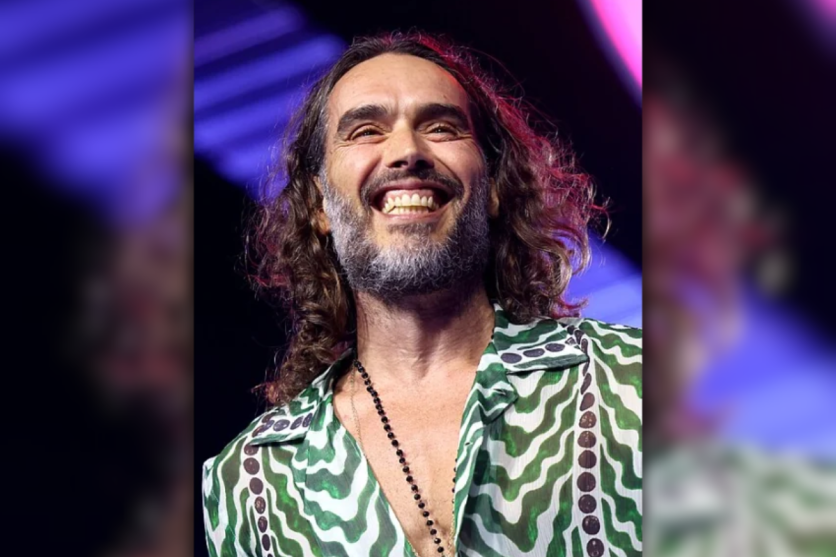
Google has reportedly rejected the UK government's request to remove a YouTube video in which jailed comedian Russell Brand denies his rape and sexual assault convictions.
The BBC reported on 18 November 2026 that Google had refused the request, with ministers arguing that the recording caused distress to his victims.
Brand's wife, Laura Gallacher, read his handwritten message during a video published on Sunday, 15 November. The Ministry of Justice is also investigating whether Brand breached prison rules by having his statement made public.
Why Google Refused to Remove Brand's Video
Whitehall sources told the BBC that Google, which owns YouTube, had declined the removal request. Google had not publicly provided a detailed explanation of its decision when the report appeared.
The Ministry of Justice confirmed it had submitted an official request through an established channel for seeking content removal.
Although earlier reports suggested ministers wanted Brand's entire YouTube account removed, the ministry clarified that its formal request concerned the video.
A ministry spokesperson said the government strongly believed YouTube should remove material distressing to victims. However, the spokesperson acknowledged that removal 'ultimately depends on the platform's own terms'.
Housing minister Matthew Pennycook confirmed the government's approach on Sky News on Thursday, 19 November.
He described the recording as disturbing while acknowledging that Google would decide whether to remove it.
What Russell Brand Said From Prison
Gallacher read the statement during the couple's religious programme, Sunday Service with the Brands. Brand, 51, maintained his innocence despite a jury's verdict and his subsequent prison sentence.
'I am not guilty of the offences I have been jailed for,' Brand said in the statement read by his wife.
Downing Street described the comments as 'clearly appalling'. Labour deputy leader Lucy Powell also criticised broadcasters for repeating the message, arguing that doing so amplified Brand's claims.
YouTube suspended Brand's advertising revenue in September 2023 following sexual assault allegations, but kept his channels online. Meta disabled his Instagram and Facebook accounts after his November 2026 conviction.
Prison Officials Investigate Possible Rule Breach
The Ministry of Justice is investigating whether Brand breached prison regulations by communicating a message that was later published online.
Officials have not announced a finding against him. Justice Secretary Alex Norris said prisoners are prohibited from making public statements that cause distress to victims.
ITV News reported that investigators would need evidence Brand knew his wife would publish the remarks, including whether he instructed her to do so.
Prison guidance also restricts correspondence intended for publication about an inmate's own offences. Any disciplinary decision would be separate from Google's assessment under YouTube's platform policies.
Why Russell Brand Is in Prison
A jury at Southwark Crown Court convicted Brand on 5 November 2026 of one count of rape and three counts of sexual assault. The offences involved four women and occurred between 2004 and 2009.
He was sentenced on 9 November to 10 years and six months in prison. The Crown Prosecution Service confirmed the sentence and thanked the women for giving evidence.
The video remained on YouTube following the government's request, while the prison investigation continued. Neither Google's reported refusal nor Brand's public denial changes the jury's verdict.


