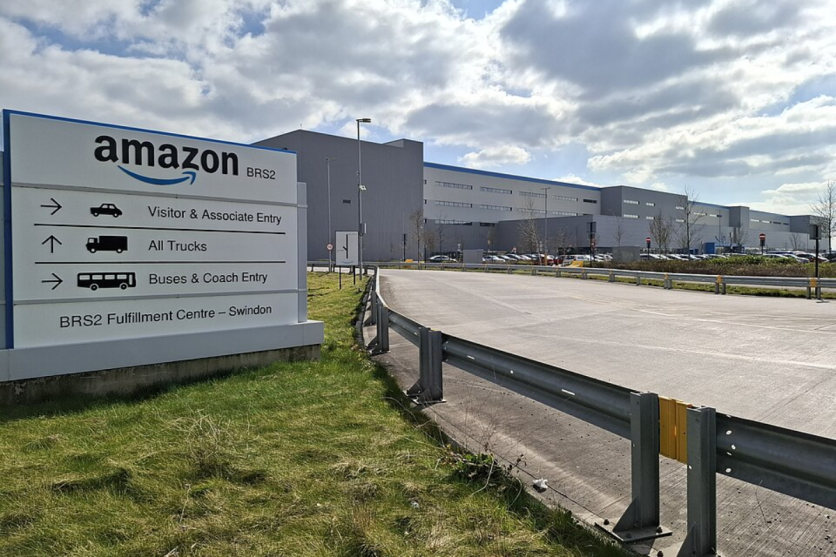
Amazon began cutting hundreds of corporate jobs on Tuesday, 6 October 2026, just as its Prime Big Deal Days shopping event got under way. Employees in the US, UK and India were among those affected, even as the company plans to spend a record $220 billion this year on infrastructure and technology, much of it tied to growing demand for cloud computing and AI.
The reductions primarily affected Amazon's Stores division, which oversees its main e-commerce operations. Fewer than 1,000 white-collar workers were affected, according to Reuters, citing a person familiar with the matter.
Customer service, seller-support and retail engineering teams were among those affected. Amazon confirmed the cuts, attributing them to organisational changes intended to help the business deliver on its priorities rather than identifying AI as a direct cause.
Workers Seek Answers as Layoff Notices Arrive
Employees began receiving job-elimination notices on Tuesday, according to Business Insider, which reviewed messages shared by affected workers in an internal Slack channel with nearly 37,000 members.
The announcements prompted questions about severance payments, medical leave and opportunities to secure alternative roles within the company. Workers also sought clarification about their employment status and whether further layoff notices were expected.
Some questioned how long they would retain access to workplace systems, including Slack and Outlook. Others wanted to know whether finding another job before their notice period ended could affect severance eligibility.
Amazon described the reductions as affecting a small number of roles, primarily within Stores. The company said the restructuring was intended to better position the business to deliver on its priorities and that it was committed to supporting affected employees through the transition.
Amazon Plans $220 Billion in Capital Spending
The layoffs come as Amazon prepares its largest annual capital investment programme, with major spending directed towards data centres, chips and infrastructure supporting its cloud and AI businesses.
In July, the company raised its planned 2026 capital expenditure by 10%, from about $200 billion to approximately $220 billion, following strong second-quarter results. Reuters reported that the increase reflected Amazon's push to expand computing capacity as demand for cloud and AI services continued to grow.
The figure is not exclusively an AI budget. Amazon's wider capital expenditure also supports data centres, computing infrastructure, chips and other technology projects, making it important to distinguish total investment from spending allocated specifically to artificial intelligence.
Amazon Web Services reported second-quarter sales of $42.2 billion, up 37% year on year. Chief executive Andy Jassy said demand remained strong enough that Amazon still lacked sufficient computing capacity despite increasing its investment plans.
Amazon Cuts Jobs While Recruiting for AI Roles
The latest reductions highlight the contrast between Amazon's corporate restructuring and its continued investment in AI and cloud computing.
While retail and support teams face redundancies, the company continues recruiting for selected technical positions. Business Insider reported that Amazon had contacted former employees, including some affected by earlier layoffs, about vacancies within AWS and its AI businesses.
The outreach shows that recruitment continues in areas aligned with Amazon's expanding technology operations even as other departments lose staff. It also reflects how the company's workforce priorities are shifting alongside its investment plans.
However, there is no established evidence that AI systems directly replaced employees affected by the October reductions. Amazon has not publicly identified specific automation projects as the cause of these cuts or disclosed how many eliminated positions, if any, were linked directly to AI adoption.
Bezos Links Earlier Cuts to Pandemic-Era Overhiring
The latest job losses follow a much larger restructuring effort involving roughly 30,000 positions that began in late 2025 and continued into January 2026.
Jassy has pursued a flatter management structure and sought to reduce bureaucracy across the company. He has also previously warned that greater use of generative AI and AI agents could reduce Amazon's corporate workforce over time as some jobs require fewer people and other roles emerge.
Amazon founder and executive chairman Jeff Bezos discussed the company's earlier workforce expansion during a Fox News interview aired on Wednesday, 7 October 2026. According to Reuters, Bezos said continued reductions had been necessary because Amazon expanded its headcount rapidly during the pandemic as online shopping demand surged.
His comments were made in response to a question about the earlier round of roughly 30,000 job cuts. They do not establish the specific reason for every position eliminated in the October reductions.
Prime Sale Timing Puts Job Cuts in Spotlight
Amazon's Prime Big Deal Days ran for 48 hours on 6 and 7 October, with millions of deals across categories including electronics, fashion, beauty, toys and household products.
The company advertised limited-time offers of up to 55% or more on selected products, with new deals released throughout the event.
For shoppers, the event offered an opportunity to buy discounted products ahead of the holiday season. For affected employees, the same period brought uncertainty over their jobs, severance arrangements and prospects of remaining with the company.
There is no evidence that Prime Big Deal Days triggered the layoffs.
However, the timing placed Amazon's workforce restructuring alongside one of its biggest annual shopping events and a record capital spending programme. Together, the developments underscore how the company is reshaping its workforce while committing unprecedented sums to infrastructure supporting its cloud and AI ambitions.


