The number of isolated Indigenous tribes across the globe continues to decline. Indigenous rights advocates suggest that half of the nearly 200 tribes still existing in isolation could disappear within the next 10 years if no proper action is taken against land loss, climate change, and illegal encroachments.
The situation has grown so critical that some Indigenous tribes are reaching out for help. Recently, around 20 Indigenous people emerged from isolation in Brazil's Amazon rainforest, raising concerns about invasions into the tribe's territory.
In what the NGO Survival International calls a 'historic encounter,' members of the Awá people, who live in voluntary isolation, arrived in a village and made contact with a government team.
The tribe entered a village in the Arariboia Indigenous territory in the north-eastern state of Maranhão, which belongs to the Guajajara ethnic group. Community leaders said the group was offered food by the villagers.
Awá Community Faces Growing Threats From Illegal Incursions
Survival International explained that the Awá people usually rely on hunting and gathering. However, in recent times they have witnessed increased intrusions from hunters, cattle ranchers, and illegal loggers on the Awá's territory.
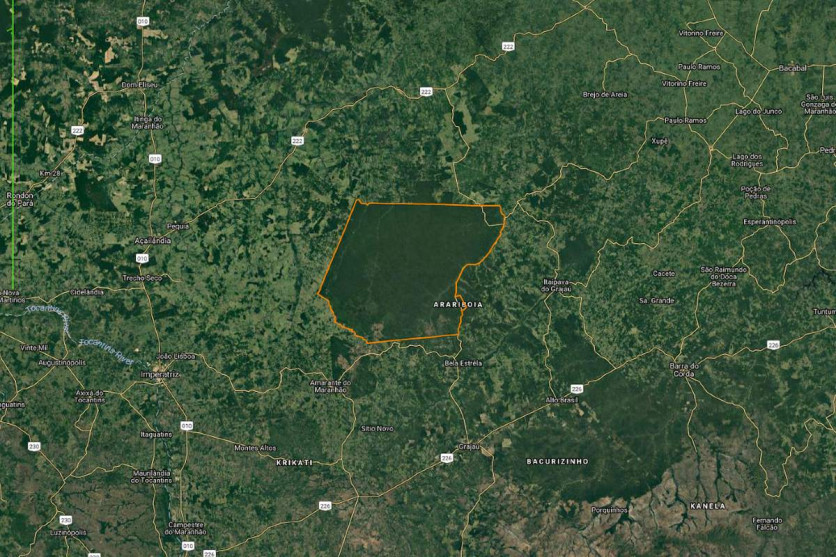
A Google Maps image shared by the NGO shows Arariboia indigenous territory, an island of green, surrounded by deforestation.
A video, filmed by Guajajara villagers, showed a group of people with bows and long arrows, wearing only necklaces at the edge of the forest.
'This highlights the importance of protecting uncontacted Indigenous peoples, respecting their autonomy and safeguarding their territorial rights,' said Coapima, an organisation representing Indigenous groups in Maranhão.
⚠️ Uncontacted Awá Indigenous people have made contact at a government base camp in the Brazilian Amazon.
— Survival International (@Survival) November 18, 2026
The uncontacted Awá are under extreme pressure because of land invasions by loggers and ranchers. pic.twitter.com/zNBaldovpv
A team of Guajajara people, known as the Forest Guardians, have been battling against cattle ranchers and illegal loggers. Several Guardians have lost their lives protecting the territory they share with the Awá people.
The NGO also stated that around 196 'uncontacted' groups living in isolation have been identified across 10 countries. About 90% of these groups live in the Amazon rainforest, mainly in Brazil, while others live in India and Indonesia.
'The situation in the forest is challenging: climate change, fires, deforestation and land encroachment are having a direct impact on their lands and the Awá way of life, which depends exclusively on hunting and gathering,' the Guardians said.
The Awá's Centuries-Long Struggle for Survival
The Awá are among the few remaining Indigenous tribes who have called the Brazilian rainforest their home for centuries. The tribe faced initial incursions from European settlers back in the 1800s, which forced them to adopt a nomadic lifestyle.
In the mid-1980s, Brazil finally supplied the tribe with settlement areas, but the government still took several years to properly invest in demarcated land.
During this time, the Awá community faced several deadly encounters with farmers, illegal intruders, and loggers, reducing the tribe to just 300 people. Advocates suggest that only one-third of the hunter-gatherers are still living in complete isolation.
'The Forest Guardians have always worked to protect the Awá against encroachment, even at the cost of losing warriors in battle,' Forest Guardians said.
'We demand immediate action from the relevant authorities...to ensure what the Awá believe is best for them, safeguarding their lives, health, safety and dignity. FOR THE AWÁ, FOR THE TENETEHAR, AND FOR THE FOREST!'


