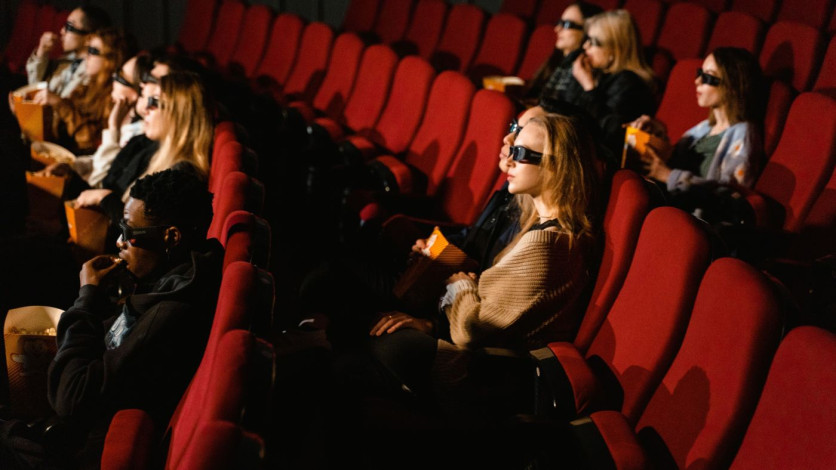
Imagine sitting down to watch The Matrix or Se7en without remembering the ending, the characters' secrets or the twists that made you love the film in the first place. A cinema chain in the Netherlands is preparing to test whether hypnosis can make that possible, with up to 30 film fans taking part in an unusual experiment.
Called Pathé REWIND, the project will bring together a hypnotherapist and a group of cinema enthusiasts in an attempt to recreate the feeling of watching a favourite film for the first time.
The experiment is scheduled for 9 November at Pathé Buitenhof in The Hague. The idea raises an interesting question about the relationship between memory, expectation and the enjoyment of films.
Pathé REWIND: How the Dutch Cinema's Hypnosis Experiment Will Work
The project involves hypnotherapist Victor Kraemer, whom Pathé describes as having more than 30 years of experience in hypnosis. The selected participants are due to receive individual online sessions with him before meeting for the cinema screening. They will then undergo another hypnosis session shortly before the film begins.
There are four titles in the running: The Matrix, Se7en, La La Land and Interstellar. Each offers a different kind of viewing experience, from the revelations in the science-fiction thriller to the emotional turns of the musical romance. The final selection will be based on the preferences submitted by participants.
Applications closed on 29 October, with participation offered free of charge to those selected. The screening is part of Pathé's attempt to give audiences another reason to return to cinemas for films they may already know.
Can Hypnosis Actually Change What People Remember About Films?
The science behind the idea is more complicated than simply switching off a memory. Hypnosis involves focused attention and responsiveness to suggestion, but people differ in how strongly they respond.
According to Johns Hopkins Medicine, some people are more receptive than others, and hypnosis depends on an individual's willingness and responsiveness to suggestions.
There is some research that makes Pathé's idea worth examining. A 2008 study published in the journal Neuron investigated post-hypnotic amnesia by asking participants to watch a 45-minute documentary before receiving suggestions to forget details of it.
A week later, researchers used hypnosis to suggest that participants forget details of the documentary until they received a reversal cue. Participants susceptible to post-hypnotic amnesia showed reduced recall of the film's details while the suggestion remained active.
However, this was a controlled experiment involving selected participants, not proof that hypnosis can reliably erase memories of an entire feature film.
A separate 2015 study published in Consciousness and Cognition examined hypnosis, memory and involvement in film viewing. Researchers tested 121 participants and found that hypnotic suggestibility and the emotional nature of the footage influenced aspects of their reported experience.
However, hypnosis itself had no effect on memory errors. This distinction matters because feeling more involved in a film is not the same as forgetting its plot.
A chapter in the American Psychological Association-published book Evidence-Based Practice in Clinical Hypnosis also warns against treating hypnosis as a reliable way to recover memories.
Its authors explain that hypnotic suggestions can increase the risk of false memories and make people more confident in recollections that may not be accurate. That research concerns memory retrieval rather than Pathé's entertainment experiment, but it underlines why claims about controlling memory need careful handling.
Film Fans Debate Which Movies They Would Watch Again for the First Time
The experiment has also prompted discussion among film enthusiasts online. A Reddit thread posted in r/Letterboxd on 26 October attracted more than 160 upvotes, with users sharing which films they would choose if they could experience them again without knowing what happens.
Comment
by u/bgiwled from discussion
in Letterboxd
Parasite, The Handmaiden, City of God, Jurassic Park, Mulholland Drive and Eternal Sunshine of the Spotless Mind were among the suggestions.
Not everyone was convinced by the idea. Some questioned whether hypnosis would actually work, while others joked about the possibility of ending up disliking a film they previously loved.
One commenter suggested trying the experiment with Memento, proposing hypnosis after every scene to recreate the film's complicated experience of memory and confusion.
Comment
by u/bgiwled from discussion
in Letterboxd
There was also a discussion about whether forgetting a favourite film would be worth it. One user questioned why anyone would want to forget something they treasured because of the memories built around it.
Another pointed out that the forgetting would only be temporary. These reactions highlight an interesting distinction between wanting to rediscover a film's surprises and valuing the memories associated with watching it in the first place.
For Pathé, the project also connects with its existing Pathé Classics programme, which brings older films back to cinema screens. The chain has previously organised themed screenings featuring titles such as Titanic, Catch Me If You Can and Terminator 2.
REWIND takes that familiar concept in a different direction by making the audience's response part of the experiment.
Whether the participants experience genuine surprise or simply recognise familiar scenes remains to be seen. The screening could offer an interesting look at how expectation shapes film enjoyment, even if hypnosis does not produce the complete memory reset the concept invites people to imagine.


