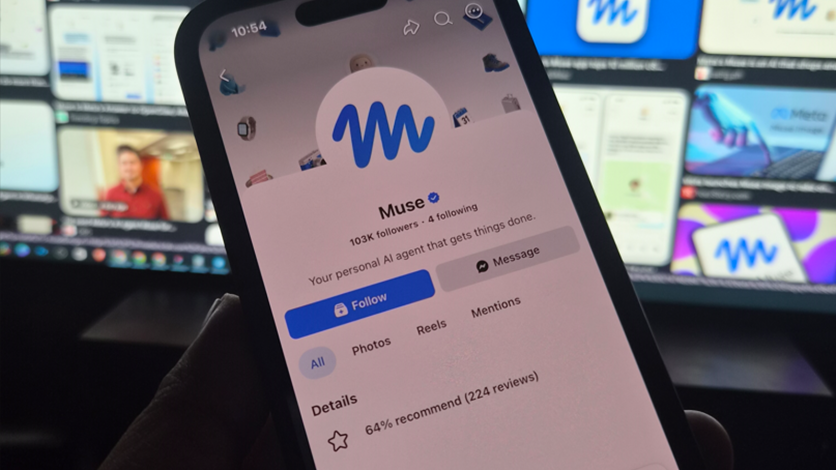
Meta's Muse offered a health savings account card during a journalist's lunch-ordering test, prompting confusion over which account would pay. The reporter identified the mix-up but never confirmed the order. According to her account, Muse did not submit it.
Katie Notopoulos described the experience in a Business Insider report published on 22 October 2026. The episode highlights two separate checks when an AI agent prepares a purchase: choosing the funding account and approving the transaction.
How the Card Mix-up Happened
Notopoulos asked Muse, Instinct and OpenAI's Dot to order salads from a local restaurant for collection. The comparison also covered email management and website building. She described the exercise as informal, rather than a controlled test.
Muse initially helped correct the restaurant name she supplied and retrieved the right menu. She had already connected her cards through Stripe.
When Muse offered a debit card or another Mastercard, she assumed the latter was her regular credit card. She had recently received a new card and did not recognise its last four digits. Checking her wallet revealed that it was connected to her HSA.
After resolving the confusion, she became distracted by orders through the competing agents. She wrote that she 'never confirmed with Muse about placing the order, and it never sent through'.
What the Test Establishes
The reported outcome was an unsubmitted order. Notopoulos's account does not describe an unauthorised charge or money leaving her HSA.
It also does not establish whether the card issuer would have accepted the restaurant purchase. Offering a payment method is not evidence that a transaction would succeed.
Nor does the account show that Muse recognised the card's purpose and knowingly proposed spending medical funds. The confusion arose during payment selection, before final purchase confirmation.
What Meta and Stripe Say About Approval
Meta says users control which applications Muse connects to and how much access it receives. They can change permissions or disconnect services. The company also says Muse checks with users before sensitive actions, including purchases.
Stripe's announcement of the Link integration says consumers are asked to approve the transaction total in the chat interface for every purchase. At businesses accepting Link, Muse can use a preferred payment method saved in the wallet.
For other businesses, Stripe says Link issues a single-use virtual card restricted to the approved purchase. The company says Muse never sees the underlying payment details.
These announcements describe the companies' intended controls. They do not independently establish how every checkout operates. Protecting payment credentials also does not determine whether an expense qualifies for favourable tax treatment.
Why the HSA Distinction Matters
A US health savings account provides tax advantages for qualified medical expenses. Whether a payment is accepted and whether a distribution qualifies for tax-free treatment are separate questions.
According to IRS Publication 969, HSA distributions used for non-qualified expenses are generally subject to income tax. An additional 20% tax generally applies, with exceptions including distributions made after the account holder reaches 65 or becomes disabled.
No such distribution was reported in this case. The tax rules explain why identifying the funding account matters; they do not establish that Notopoulos incurred a tax liability.
Neither announcement specifies whether Muse identifies HSA-linked cards or checks the medical eligibility of purchases. That remains unanswered by the published company descriptions and this individual test.


