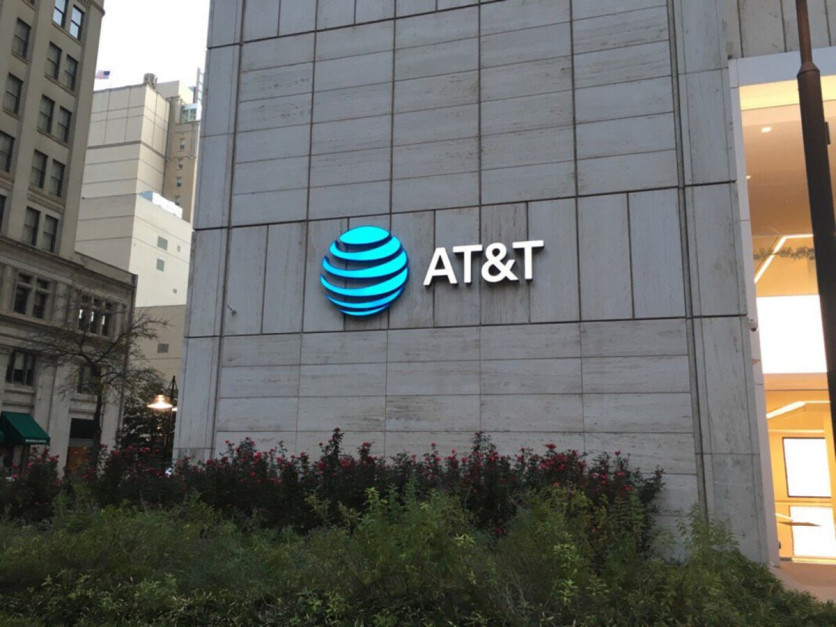
A US federal contract with AT&T is worth up to $11.33 million (£8.62 million) for data analytics services supporting Homeland Security Investigations (HSI), a division of Immigration and Customs Enforcement (ICE).
An investigation by 404 Media reported that an internal ICE procurement document, obtained through a Freedom of Information Act request, describes the arrangement as giving ICE access to AT&T's raw data and experienced analysts.
The arrangement has raised privacy concerns over the phone records potentially available to investigators and the legal process governing access. AT&T disputes the report's characterisation of the arrangement as surveillance, saying the agreement is with the Department of Homeland Security (DHS) and does not support ICE activities.
What the Contract Pays For
Federal spending records identify AT&T Enterprises, LLC, as the contractor under award number 70CMSD25C00000005. DHS is the awarding department, while ICE is listed as the awarding sub-agency. The contract was awarded on a sole-source basis, with AT&T recorded as the only source.
The agreement has a potential value of $11.33 million (£8.62 million), with approximately $4.31 million (£3.28 million) obligated. USAspending listed $1.76 million (£1.34 million) in outlays when the record was checked on 20 November 2026. These figures represent the contract ceiling, government commitments and money disbursed, respectively.
The contract description identifies HSI's Countering Transnational Organised Crime Division as the supported unit. The separate ICE document says AT&T analysts will format the data and provide technical interpretation for HSI investigations, while details about the specific work remain redacted.
Here is the document I obtained.“This requirement provides ICE access to AT&T’s raw data and experienced analysts.”https://t.co/94gXrAi114 https://t.co/kB8QmOK1FC
— Joseph Cox (@josephfcox) November 19, 2026
AT&T Disputes the ICE Connection
In its initial statement to 404 Media, AT&T said it provides information to law enforcement when demanded under lawful order and checks that requests are valid.
In a second statement supplied after publication, AT&T described the agreement as a DHS contract supporting investigations into human trafficking, drug smuggling and threats to critical infrastructure. It said the contract does not support ICE activities and rejected the report's characterisation of the programme as surveillance.
AT&T also said it is compensated for analysing data covered by legal demands, including court orders, search warrants and subpoenas.
However, procurement records identify ICE as the awarding sub-agency, and the ICE document describes the service as providing access for ICE.
The available documents do not explain how AT&T's description of the agreement as a DHS contract fits with the procurement records identifying ICE and HSI. ICE did not respond to 404 Media's requests for comment.
What the Records Could Reveal
The service appears to be related to AT&T's Data Analytical Services (DAS), according to 404 Media. A 2023 document obtained by Senator Ron Wyden's office says DAS was previously called Hemisphere, a programme that gave US federal, state and local authorities access to phone records.
That document describes capabilities including linking phone numbers and devices to targets, identifying devices with replaced SIM cards and checking whether international targets' phones had entered the United States.
The current ICE document does not independently confirm that these features remain available under the arrangement.
Christopher Soghoian, a surveillance expert who worked for Wyden's office for a decade, said AT&T's wholesale services mean it can collect, retain and mine records involving customers of other phone companies. The available documents do not establish the extent of any such access under the current contract.
Jeramie Scott of the Electronic Privacy Information Centre said the arrangement could potentially provide access to location information. The current documents do not confirm whether location data is included or whether ICE can access call contents.
Privacy Questions Remain
Senator Ron Wyden called the arrangement a 'zombie version of Hemisphere surveillance' and said Americans would be outraged that AT&T lets ICE search customers' records without a warrant or judicial oversight, according to 404 Media.
404 Media reported that experts believe access may rely on administrative subpoenas, which government agencies can generally issue without first obtaining a judge's approval. AT&T says it responds to valid legal demands, but the public documents do not identify which process applies to individual requests.
The US Supreme Court ruled in Carpenter v. United States in 2018 that the government generally needs a warrant to obtain historical cell-site location information.
In Chatrie v. United States, decided in June 2026, the Court held that obtaining Google Location History through a geofence warrant constitutes a Fourth Amendment search, but left the warrant's reasonableness unresolved.
Both cases concern location-related data; neither ruling directly determines the legality of the ICE–AT&T arrangement.


